Get Sleep
Mystery and Benefits of Sleep
Sleep and Health
The Takeaway
- It can be tempting to trade sleep for a few precious hours of wakefulness, but it is important to consider the hidden costs. Sleep is precious, too.
- Numerous studies have found that insufficient sleep increases a person's risk of developing serious medical conditions, including obesity, diabetes, and cardiovascular disease.
- Lack of adequate sleep over time has been associated with a shortened lifespan.

The Hidden Costs of Insufficient Sleep
Sleep is often one of the first things to go when people feel pressed for time. Many view sleep as a luxury and think that the benefits of limiting the hours they spend asleep outweigh the costs. People often overlook the potential long-term health consequences of insufficient sleep, and the impact that health problems can ultimately have on one’s time and productivity.
your risk of developing high blood pressure
and cardiovascular disease.
© 2008 JupiterImages Corporation

Many of the costs of poor sleep go unnoticed. Medical conditions, such as obesity, diabetes, and cardiovascular disease, develop over long periods of time and result from a number of factors, such as genetics, poor nutrition, and lack of exercise. Insufficient sleep has also been linked to these and other health problems, and is considered an important risk factor. Although scientists have just begun to identify the connections between insufficient sleep and disease, most experts have concluded that getting enough high-quality sleep may be as important to health and well-being as nutrition and exercise.
Risk Assessment
Determining the risks posed by insufficient sleep is complicated. Medical conditions are slow to develop and have multiple risk factors connected to them. What we do know is that sleeping fewer than about eight hours per night on a regular basis seems to increase the risk of developing a number of medical conditions. The study results below show that reducing sleep by just two or three hours per night can have dramatic health consequences.
Dr. Lawrence J. Epstein discusses the relationship between sleep deprivation and disease risk.
- Obesity—Several studies have linked insufficient sleep and weight gain. For example, one study found that people who slept fewer than six hours per night on a regular basis were much more likely to have excess body weight, while people who slept an average of eight hours per night had the lowest relative body fat of the study group.1 Another study found that babies who are “short sleepers” are much more likely to develop obesity later in childhood than those who sleep the recommended amount.2
- Diabetes—Studies have shown that people who reported sleeping fewer than five hours per night had a greatly increased risk of having or developing type 2 diabetes.3,4 Fortunately, studies have also found that improved sleep can positively influence blood sugar control and reduce the effects of type 2 diabetes.5
- Cardiovascular disease and hypertension—A recent study found that even modestly reduced sleep (six to seven hours per night) was associated with a greatly increased the risk of coronary artery calcification, a predictor of future myocardial infarction (heart attack) and death due to heart disease.6 There is also growing evidence of a connection between sleep loss caused by obstructive sleep apnea and an increased risk of cardiovascular diseases, including hypertension, stroke, coronary heart disease, and irregular heartbeat.7
- Immune function—Interactions between sleep and the immune system have been well documented. Sleep deprivation increases the levels of many inflammatory mediators, and infections in turn affect the amount and patterns of sleep.8 While scientists are just beginning to understand these interactions, early work suggests that sleep deprivation may decrease the ability to resist infection (see The Common Cold, below).
- Common Cold – In a recent study, people who averaged less than seven hours of sleep a night were about three times more likely to develop cold symptoms than study volunteers who got eight or more hours of sleep when exposed to the cold-causing rhinovirus. In addition, those individuals who got better quality sleep were the least likely to come down with a cold. 9
©2008 JupiterImages Corporation
“Not getting enough sleep alters insulin resistance, which is associated with an increased risk of developing type 2 diabetes, and that can be very quickly induced by a single night’s total sleep loss.”
-Dr. Anne Rogers
Sleeping Well, Staying Healthy
While sleeping well is no guarantee of good health, it does help to maintain many vital functions. One of the most important of these functions may be to provide cells and tissues with the opportunity to recover from the wear and tear of daily life. Major restorative functions in the body such as tissue repair, muscle growth, and protein synthesis occur almost exclusively during sleep.Many other conclusions about the role sleep plays in maintaining health have come from studying what happens when humans and other animals are deprived of the sleep they need. For example, scientists have discovered that insufficient sleep may cause health problems by altering levels of the hormones involved in such processes as metabolism, appetite regulation, and stress response.11,12,13 Studies such as these may one day lead to a better understanding of how insufficient sleep increases disease risk.
In the meantime, sleep experts say there is ample evidence that shows that when people get the sleep they need, they will not only feel better, but will also increase their odds of living healthier, more productive lives.
© 2008 JupiterImages Corporation
Sleep and Mood
The Takeaway
- Sleep and mood are closely connected; poor or inadequate sleep can cause irritability and stress, while healthy sleep can enhance well-being.
- Chronic insomnia may increase the risk of developing a mood disorder, such as anxiety or depression.
- Poor sleep and feelings of depression or anxiety can be helped through a variety of treatments, starting with improved sleep habits, and, if needed, extending to behavioral interventions and an assessment for a sleep or mood disorder.
The Link Between Sleep and Mood
You probably know firsthand that sleep affects mood. After a sleepless night, you may be more irritable, short-tempered, and vulnerable to stress. Once you sleep well, your mood often returns to normal.
Studies have shown that even partial sleep deprivation has a significant effect on mood. University of Pennsylvania researchers found that subjects who were limited to only 4.5 hours of sleep a night for one week reported feeling more stressed, angry, sad, and mentally exhausted. When the subjects resumed normal sleep, they reported a dramatic improvement in mood.1
Not only does sleep affect mood, but mood and mental states can also affect sleep. Anxiety increases agitation and arousal, which make it hard to sleep. Stress also affects sleep by making the body aroused, awake, and alert. People who are under constant stress or who have abnormally exaggerated responses to stress tend to have sleep problems.
“People who have problems with sleep are at increased risk for developing emotional disorders, depression, and anxiety.”
-Dr . Lawrence J. Epstein
Insomnia and Psychological Problems
“There’s a big relationship between psychiatric and psychological problems and sleep. So people who are depressed or have anxiety often have trouble with sleep as part of those disorders,” says Dr. Lawrence Epstein, Medical Director of Sleep Health Centers and an instructor at Harvard Medical School.
Difficulty sleeping is sometimes the first symptom of depression. Studies have found that 15 to 20 percent of people diagnosed with insomnia will develop major depression.2 While sleep research is still exploring the relationship between depression and sleep, studies have shown that depressed people may have abnormal sleep patterns.3
Sleep problems may, in turn, contribute to psychological problems. For example, chronic insomnia may increase an individual’s risk of developing a mood disorder, such as depression or anxiety. In one major study of 10,000 adults, people with insomnia were five times more likely to develop depression.4 Lack of sleep can be an even greater risk factor for anxiety. In the same study, people with insomnia were 20 times more likely to develop panic disorder (a type of anxiety disorder).5 Another study showed that insomnia is a reliable predictor of depression and many other psychiatric disorders, including all types of anxiety disorders.6
Addressing Sleep Problems Makes a Difference
If you sleep poorly and feel depressed, anxious, or less emotionally responsive, there are many treatments that can help. First, look at your sleep habits and see if there are steps that you can take on your own to improve the quantity and quality of your sleep. See 12 Simple Tips to Improve Your Sleep for recommendations on how to improve your sleep. If problems persist, you may wish to see a medical provider and ask about an evaluation for sleep problems and mental health concerns. After an evaluation and diagnosis, your provider can advise you on the best course of treatment. Options may include behavioral or other forms of therapy and/or medications. You can read about and watch a video of a behavioral sleep consultation in the Healthy Sleep module.
© 2008 WGBH Educational Foundation
Even if you do not have underlying sleep problems, taking steps to ensure adequate sleep will lead to improved mood and well-being. Sheila, a Boston district attorney and mother, became sleep deprived due to the conflicting demands of a full-time job and caring for her young children. She began to feel cranky, irritable, and uncharacteristically depressed. When she got both of her children on a consistent sleep schedule, she herself started sleeping an average of seven to eight hours a night and her mood improved considerably. Read more and watch a video about this in Sheila’s Balancing Act.
Sleep and Memory
One Student's Story
Several mornings each week, Liz, a Harvard freshman from Toronto, Ontario, rises before 6:00 a.m. to join her teammates for rowing practice. On days like these she seldom sleeps more than seven hours per night, but it's not for lack of trying. In contrast to the college student stereotype, Liz often forgoes opportunities to socialize in order to get her schoolwork done and still get to bed at a reasonable time. Even without knowing just how important sleep is to her ability to learn, she tries to make time for it. © 2008 WGBH Educational Foundation

crew team that competes for
Harvard/Radcliffe.
Only a month and a half into her first semester at college, Liz already wishes she had more time for sleep. The problem is: "You never feel like you've done enough," she says, referring to her school demands. "If you're not working, you feel like you should be. There's always more to do." For Liz, the many demands on her time include her chosen sport, as well as activities like studying for optional, extra-credit exams that she and her peers have come to view as mandatory for anyone trying to excel.
A Snapshot of Sleep in College
Of course, Liz isn't alone. College students represent one of the most sleep-deprived segments of our population. Course work, sports and other extracurricular activities, and newfound independence all conspire to rob students of sleep. A 2001 study found that only 11 percent of college students slept well consistently, while 73 percent experienced at least occasional sleep issues.1 A 2007 survey by the American College Health Association found that 40 percent of students felt well rested no more than two days per week.2 No longer considered a harmless aspect of college life, poor sleep is now thought to have a significant impact on memory and learning.
Basics of Learning
Learning involves three distinct brain processes: acquisition, consolidation, and recall.
- Acquisition is the process by which the brain receives information—be it a list of facts or the proper technique for shooting a free-throw—and stores this information within its neural circuits as a memory.
- Consolidation is a process that can extend over minutes, hours, or even days, during which connections in the brain are strengthened, extended, and in some cases even weakened, so that a memory ends up in a more stable and useful form.
- Recall is the last important step in learning, in which the brain accesses and utilizes stored information, often bringing memories back to mind.
“During sleep, your brain is taking your memories, reactivating and looking at them again, and storing them in a more efficient and effective form.”
-Dr. Robert Stickgold
Dr. Robert Stickgold discusses the effect sleep has on memory.
The Sleep Connection
Inadequate sleep negatively affects all three learning processes. Acquisition and recall suffer in the most recognizable way. It is simply more difficult to concentrate when we are sleep deprived; this affects our ability to focus on and gather information presented to us, and our ability to remember even those things we know we have learned in the past. The less obvious—but possibly more profound—impact of sleep deprivation on learning is the effect that many sleep researchers think it has on memory consolidation.
Although no one knows exactly how sleep enables memory consolidation, a number of studies have shown that a reduction in total sleep time or specific sleep stages can dramatically inhibit a person's ability to consolidate recently formed memories.3,4,5 Poor sleep appears to affect the brain's ability to consolidate both factual information—such as what you had for breakfast or that Paris is the capital of France—and procedural memories about how to do various physical tasks—such as riding a bicycle or playing the piano. Research suggests that the most critical period of sleep for memory consolidation is the one immediately following a lesson.6 If this opportunity is lost—such as when a student pulls an "all-nighter"—it generally can’t be made up. Even if sleep is "recovered" on subsequent nights, the brain will be less able to retain and make use of information gathered on the day before the all-nighter.
Making Time for Sleep

is a task involving procedural
memory, which has been
shown to improve with sleep.
© 2008 JupiterImages Corporation
These findings have shed new light on the importance of making time for sleep, not only for college students, but for anyone who wants to continue to learn. However, that doesn't mean finding the time for sleep is always easy. For many people—even those who recognize the importance of sleep—balancing work, school, family, social activities, and personal time can be difficult, and sleep is often one of the first activities to get squeezed out.
Early in her first semester at Harvard, Liz feels like she is maintaining a healthy balance, but just barely. Striving to get the most out of her time in college, she admits that it's sometimes hard to see sleep as an important part of her scholastic and athletic objectives. But that's exactly what many researchers say sleep is. Rather than thinking of sleep as wasted time or even time off, they say, we should instead view sleep as the time when our brain is doing some of its most important work.
For more on this topic, see Sleep, Learning, and Memory in the Healthy Sleep module.
Sheila, a mother of two and an attorney, found that getting more sleep helped improve her focus and effectiveness at work. To learn more, see Sheila’s Balancing Act.

Judgement and Safety
The Takeaway
- Drowsy driving causes 1 million crashes, 500,000 injuries, and 8,000 deaths each year in the U.S.
- Just one sleepless night can impair performance as much as a blood-alcohol level of 0.10 percent, beyond the legal limit to drive.
- Like alcohol, sleep deprivation also affects judgment, making it harder to assess how impaired you are when you're tired.
A Tragic Example
Nineteen-year-old Candy Lynn Baldwin was well acquainted with the 80-mile drive between Baltimore, Maryland, and her home in the Eastern Shore town of Millington. She had made the drive, which crosses the Chesapeake Bay, many times. On Saturday evening, August 9, 2008, following a busy Friday night and full day Saturday preparing for and attending her mother’s wedding, Baldwin and a cousin set out for Baltimore. They didn’t give their return trip much thought, even though they knew they would be returning late.
Just before 4:00 a.m. Baldwin steered her 1997 Chevrolet Camaro onto the Chesapeake Bay Bridge toward home. By that time, she had been awake for many hours straight. In addition, her internal biological clock, a part of the brain that helps control the timing of alertness and sleep, was likely sending out strong signals that her body needed to sleep.
© Kevin Fleming/CORBIS
At the same time, John Short was pulling onto the far end of the massive bridge, driving a semi-truck full of refrigerated chicken. On this particular night, maintenance had forced both directions of traffic onto the same eastbound span. As the two vehicles converged at highway speeds, Baldwin nodded off and veered across the centerline, far too quickly for Short to avoid. Short’s attempt to avoid a crash, and the subsequent collision, sent his truck hurtling into the opposite lane before smashing through a guardrail and plunging into the water below. He died of multiple injuries and drowning, according to autopsy reports. Baldwin’s cousin escaped relatively unscathed, receiving only minor injuries. Baldwin herself sustained two broken kneecaps and damage to her spleen and liver. She has no recollection of the crash.
© Colby E. Ware
A National Epidemic
Although this is an extreme and tragic example of the hazards of driving while sleep deprived, the circumstances that led up to Baldwin’s accident are all too common. According to a National Sleep Foundation survey, one-third of all adult drivers say they have fallen asleep at the wheel.1 On the basis of the best available research, the Institute of Medicine estimates that drowsy driving is responsible for 20 percent of all motor vehicle crashes. That means that drowsy driving causes 1 million crashes, 500,000 injuries, and 8,000 deaths each year in the U.S.2
Driving is not the only activity negatively impacted by insufficient sleep. Virtually any task or profession that requires alertness and sound judgment may be affected by too little sleep. The medical profession, for example, is notorious for the long, sleepless hours required of doctors, nurses, and other healthcare providers, and this has an impact on the quality of care patients receive. Although the precise number of medical errors attributable to insufficient sleep is unknown, a randomized, controlled trial at Harvard’s Brigham and Women’s Hospital found that more than one-quarter of the errors that interns (first-year doctors-in-training) made in the care of ICU patients were attributable to their traditional extreme work schedules.3,4 Given that medical errors are responsible for as many as 98,000 deaths each year in the U.S.5, the reduction of doctors’ and nurses’ sleep deprivation has become a major public health issue.
“When you increase from 8-12 consecutive hours of work, there are increase in the rates of error and increases in the risk of accident and injury.“
-Dr. Charles A. Czeisler
How Poor Sleep Affects Performance
Several sleep-related factors can affect an individual’s ability to stay alert and perform a task safely and competently. The first is the number of hours that person has been continuously awake. With each hour of wakefulness, the drive to sleep increases and alertness fades. Another common factor is insufficient sleep on a regular basis, also known as chronic sleep deprivation. Scientists have found that a small nightly decrease in sleep has serious cumulative effects; for instance, a week and a half spent sleeping just six hours per night, rather than seven to nine, can result in the same level of impairment on the tenth day as being awake for the previous 24 hours straight.6 Another factor is an individual’s internal biological clock. Shift workers, in particular, are affected by the timing of their internal clock, especially when they try to be alert when their internal clock says they should be sleeping, or when they try to sleep when their clock says they should be awake.
“If you’re depriving yourself of sleep and you’re a police officer, doctor, nurse, or pilot, then there’s a very good chance that in the line of duty you may be exposing other folks to risk as well.”
-Dr . Christopher P. Landrigan
Drowsy or Drunk, the Effects Are Similar
Studies have shown that staying awake for just 17 to 19 hours straight impacts performance more than a blood-alcohol level of .05 percent (the level considered legally drunk in most western European countries). This level of impairment slows an individual’s reaction time by about 50 percent compared to someone who is well rested. Twenty-four hours of continuous wakefulness induces impairments in performance equivalent to those induced by a blood-alcohol level of 0.10 percent, beyond the legal limit for alcohol intoxication in the United States.7
Perhaps even more profound is the effect of poor sleep on judgment. The prefrontal cortex, an area near the front of the brain responsible for logical reasoning and complex thought, seems particularly vulnerable to sleep deprivation. Experts think this may explain why people typically have such a hard time recognizing their own fatigue and level of impairment. Like the drunk driver who thinks he or she is just fine to drive, the tired driver is not always the best judge of his or her ability to operate a vehicle safely.
Read more about Sleep, Performance, and Public Safety in the Healthy Sleep module. The Philadelphia Police Department used its understanding of how insufficient sleep affects performance to institute important policy and work hour changes. Find out how in Lou’s Killer Shift.
For more on the role the biological clock plays in sleep regulation, see The Drive to Sleep and Our Internal Clock in the Healthy Sleep module.
So, How Awake Are You? Take our alertness test to find out.
How Awake Are You?
Whether you’re behind the wheel of a car, operating a power tool, or changing a light bulb, drowsiness can sneak up when you least expect it, causing lapses of attention and putting you at risk of hazardous errors.
Did you know that poor sleep can affect your performance as much as alcohol? That’s right. Being awake for 22 hours straight can slow your reaction time more than four drinks can. And just like alcohol, sleepiness impairs judgment, so you don’t necessarily know you’re impaired when you are.
Disclaimer:
This interactive is an online adaptation of performance tests commonly used in research labs to examine the effects of sleep deprivation. Although great emphasis has been placed on scientific accuracy, please know that results may vary as a result of connection speed, processor load, and type of web browser, as well as a user’s age, intake of caffeine or alcohol, and many other variables that cannot be controlled in an online environment.
Assess Your Sleep Needs
The Takeaway
- Although there is some genetic variation, most adults need between 7.5 to 8.5 hours of sleep per 24-hour period to function optimally.
- You can find your optimal sleep time if you set aside several days (perhaps during a vacation) to allow yourself to sleep as long as possible.
- Once you know how much sleep you need, it's important to allot that amount of time in your daily schedule for sleep.

The amount of sleep that a healthy individual needs is largely determined by two factors: genetics and age. Genetics plays a role in both the amount of sleep a person needs, as well as his or her preference for waking up early (these are the so-called "larks," or morning-type individuals) or staying up late (these are the "owls," or evening-type people). Our internal biological clock, which regulates the cycling of many functions including the sleep/wake cycle, can vary slightly from individual to individual. Although our internal clock is set to approximately 24 hours, if your clock runs faster than 24 hours, you tend to be a "lark" and wake up early; if your clock runs more slowly, you tend to be an "owl" and go to bed later.
The majority of healthy adults require at least 7 hours per 24-hour period.1 This is true from young adulthood through late in life, though many older people have difficulty sleeping in a single block of time each night. Generally, sleep needs during a 24-hour period follow this pattern:
An individual’s preference for rising early or sleeping late is largely influenced by genetics.
© 2008 JuniperImages Corporation
- Newborns (1 to 3 months)*
- Infants (4 to 12 months) – 12 to 16 hours
- Toddlers (1 to 2 years) – 11 to 14 hours
- Preschoolers (3 to 5 years) – 10 to 13 hours
- School-aged children (6 to 12 years) – 9 to 11 hours
- Adolescents (13 to 18 years) – 8 to 10 hours
- Adults (18 years to the end of life) – at least 7 hours 1,2
*Recommendations for infants younger than 4 months are not included due to the wide range of normal variation in duration and patterns of sleep, and insufficient evidence for associations with health outcomes.2
Even without considering genetics and age, the National Sleep Foundation’s 2008 Sleep in America poll found that many adults are apparently not meeting their sleep needs, sleeping an average of only 6 hours and 40 minutes during the week, and about 7.5 hours on the weekends.3 How can you tell if your sleep is adequate and meets your needs? Sleep scientists and physicians have a variety of methods to help determine if you are getting enough sleep.
Dr. Lawrence Epstein discusses ways to determine individual sleep needs.
Pay Attention to Your Sleepiness
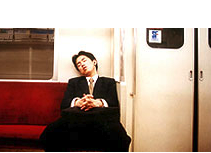
Sleep needs and patterns of sleep and wakefulness are not the same for everyone. The first step in determining your need for sleep is through self-evaluation. Ask yourself: “How tired do I feel during the daytime? When do I feel most alert? When does fatigue set in?” Even moments of sleepiness that you may think of as routine, for instance, falling asleep on the subway on the way to work, or during a lecture, are likely a sign that you are not getting enough sleep.
Paying attention to your body’s cues for sleep is the first step toward figuring out if you are meeting your sleep needs, or if you are sleep deprived or suffering from a sleep disorder (or possibly both).
Falling asleep during the day is a
likely sign that you are not
getting adequate sleep.
© 2001-2008 HAAP Media Ltd, a subsidiary of Jupiterimages

Keep a Sleep Diary
A very helpful tool to track your sleep time and patterns is a sleep diary. Used in sleep research and clinical settings, a sleep diary is a handy reference to help people become familiar with their own natural patterns of sleep and wakefulness. The information that you will record in the sleep diary is simple and straightforward. It includes the time you go to bed, the time you wake up, your total hours of sleep, and whether you had any nighttime awakenings (and if so, how long you were awake) and any daytime naps. In addition, noting how you feel upon awakening (refreshed or tired), and how you feel at different times of the day will enable you to become more aware of your patterns, and help you determine if you are getting adequate sleep. Just keeping track of your sleep in this way may help improve your situation. If you need more help to improve your sleep, refer to Adopt Good Sleep Habits and Address Your Sleep Issues.
Follow this link to print out a Sleep Diary.
Take a Sleep Vacation
Another method for determining your sleep need is to take a “sleep vacation.” During a two-week period, when you have a flexible schedule or perhaps are on vacation, pick a consistent bedtime and do not use an alarm clock to wake up. Chances are that for the first few days or week you will sleep longer because you’ll be paying off your “sleep debt”—the amount of sleep deprivation that you’ve accumulated over a period of time. If you continue going to bed at the same time and allowing your body to wake up naturally, you will eventually establish a pattern of sleeping essentially the same amount of time each night, probably in the range of 7 to 9 hours. Congratulations! You’ve identified the amount of sleep that you need.
Make Sleep a Priority
Now that you know how much sleep you need—and if you’ve allowed your body to pay back your sleep debt and “find” its natural sleep patterns and duration—you are probably also feeling a lot better, sharper, happier, and healthier. This is how it feels to be well rested. The next step is to make sure that you continue to make sleep a priority and find ways to protect your sleep time.
If You’re Having Problems with Sleep
You may be doing all the right things—respecting your sleep needs and patterns, setting aside an ample amount of time to sleep, keeping a sleep diary—but still experiencing daytime sleepiness, fatigue, or insomnia. If that’s the case, you should consider consulting a sleep specialist who can help you set up a better sleep environment, provide support for making behavioral changes that may be interfering with sleep, or possibly diagnose a sleep disorder. You have a right to feel well rested—and there are many resources available to help you get the sleep you need.
Making sleep a priority improves overall health and judgment, as well as the safety of others.
© Andersen Ross/Blend Images/Corbis

Adopt Good Sleep Habits
The Takeaway
- It’s possible to eliminate many minor sleep problems by creating a comfortable sleep environment, maintaining a healthful balance of nutrition and exercise, and engaging in relaxing activities near bedtime.
- Keeping a regular sleep schedule—even on weekends—maintains the timing of the body’s internal clock and can help you fall asleep and wake up more easily.
- Even if real life stands in the way of achieving the perfect sleep routine, making just a few small changes can improve your sleep dramatically.
Old Habits Die… Easily
To hear Valerie talk about her sleep routine, you might think this single mom, who teaches high school math near Boston, has always practiced good sleep habits. “Oh, no,” she says. “When I was growing up, my mom used to let me stay up as late as I wanted, and on weekends I often slept into the afternoon.” Back then, and into her early 30s, sleep was easy for Valerie. Then the stresses of adult life—her job, parenthood, financial concerns—began to keep her awake at night.
She found herself lying in bed for hours sometimes, not knowing why she couldn’t sleep, and lacking the tools and good habits to remedy the situation on her own. Frustrated by her inability to sleep even when she was exhausted, Valerie shared her concerns with her primary care physician, who helped her identify factors that might be keeping her awake at night. Together they came up with strategies to overcome many of these factors. For the first time in her life, Valerie had to plan for sleep and follow a sleep routine. However, she was desperate enough to try just about anything, and much of what her doctor recommended seemed easy enough.
By incorporating relaxing activities into her bedtime routine, Valerie gets much better sleep and is able to maintain her energy level throughout the day.
© 2008 WGBH Educational Foundation

What the Sleep Doctors Say
Sleep doctors recommend a variety of measures to help adults and children achieve adequate sleep. In general, all of these approaches are intended to help with relaxation as the desired sleep time approaches, to maintain a comfortable sleep environment, and to encourage a healthful balance of nutrition and exercise. Their recommendations include:
- maintaining a regular sleep-wake schedule
- avoiding caffeine, alcohol, nicotine, and other chemicals that interfere with sleep
- making your bedroom a comfortable sleep environment
- establishing a calming pre-sleep routine
- going to sleep when you’re truly tired
- not watching the clock at night
- using light to your advantage by exposing yourself to light during the day and limiting light exposure in the evening
- not napping too close to your regular bedtime
- eating and drinking enough—but not too much or too soon before bedtime
- exercising regularly—but not too soon before bedtime
Dr.Lawrence Epstein discusses strategies to improve sleep.
Creating a comfortable sleep environment is a simple but important first step to getting better sleep.
© 2008 JupiterImages Corporation

Making Your Sleep Routine Your Own
Experts acknowledge that most people find it difficult to follow all these recommendations; however, they also stress that it isn’t typically necessary to do so. They suggest that individuals identify the factors that are most disruptive to their own sleep and then focus on altering particular behaviors and patterns to overcome these factors.
Valerie, for instance, admits that she doesn’t follow all of the advice her doctor gave her. For example, she occasionally reads and does word puzzles in bed, which she knows sleep specialists typically discourage. “They help me take my mind off of the day,” she says. Otherwise, she says she heeds her doctor’s advice, which includes staying away from caffeine in the evening, avoiding stressful activities too close to bedtime, and keeping the television out of her bedroom. Knitting, reading, and listening to relaxing music and nature recordings are some of the activities she uses to transition to sleep.
Valerie finds that knitting helps her put the day’s events and stresses aside and enables her to transition to sleep.
© 2008 WGBH Educational Foundation
Despite growing up with few bedtime restrictions, Valerie now keeps a very regular schedule. Even on weekends, she seldom wakes much later than her typical weekday wake time of 5:30 a.m. As a result, “It feels like my body knows when it’s time to go to bed and when it’s time to wake up,” she says. And unlike in her youth, waking has become much easier, despite the early hour. According to sleep experts, a regular schedule not only tends to increase the amount of sleep people get each night, it can also improve the quality of that sleep.
An added benefit of Valerie’s schedule is that it corresponds closely to her 13-year-old daughter’s schedule, which means they have more time to spend together. “I love that I get to see her first thing in the morning, and make breakfast for her,” Valerie says. She also hopes that her good sleep habits will rub off on her daughter, and that she will grow up with a healthy appreciation of sleep and its importance. “I certainly don’t take sleep for granted like I used to.”
To see how another working mom established sleep schedules for her children and improved her own sleep in the process, see Sheila’s Balancing Act.
To learn how getting better sleep helped a night shift nurse improve her diet, fitness, and overall health, see Barbra’s Sleep Makeover.
To see how a behavioral sleep consultation can help people overcome sleep problems such as insomnia, see Getting the Sleep You Need: Overcoming Factors that Interfere with Sleep.
Find more tips to overcome sleep issues at Twelve Simple Tips to Improve Your Sleep.
When sleep tips aren’t enough, or if you suspect you may have a sleep disorder, please see When to Seek Treatment in the Healthy Sleep module.
Address Your Sleep Issues
The Takeaway
- Sleep is essential to good health, along with diet and exercise.
- Many people simply accept their sleep problems, but there are many things you can do to ensure adequate rest.
- Sleep specialists help people recognize and change behaviors that interfere with sleep and can diagnose sleep disorders.
Dedicating Yourself to Good Sleep
If you spend your nights half-awake and your days half-asleep, maybe it’s time to address your sleep issues. While most Americans with sleep problems just live with their chronic tiredness, there’s no need to do so when there are many effective solutions.
To get restful sleep, you need to make it a priority. “People have to understand that sleep is one of the basics of good health, along with diet and exercise. So it’s important that they set aside enough time to get an adequate amount of sleep,” says Dr. Lawrence J. Epstein, Clinical Director of the Division of Sleep and Circadian Disorders at Mass General Brigham and an assistant professor at Harvard Medical School. “I also tell them to adopt an overall healthy lifestyle. People who are fit, who exercise regularly, and who are in good shape sleep better.”
Experts say that people who exercise regularly generally sleep better.
© 2008 JupiterImages Corporation

Small Changes Can Make a Big Difference
Lack of sleep can be a wake-up call to change habits and behaviors that interfere with sound, restorative sleep. How you spend your days can affect your nights. Stress and a fast-paced lifestyle can make you too stimulated to sleep. And while consuming caffeine or alcohol or engaging in stressful activities close to bedtime can disrupt sleep, curbing some of these nighttime sleep disrupters may be enough to solve your sleep problem. You’ll also sleep better if you have a quiet sleep environment and a consistent sleep schedule. Read more about this in Twelve Simple Tips to Improve Your Sleep.
“People who are able to look at their sleep systematically, determine the factors contributing to their problem, and tackle these things in a program that makes sense to them can be very, very successful at overcoming the problem,” says Stephen Amira, a clinical psychologist with a specialty in sleep disorders.
Barbra, a night shift nurse at a community hospital in Boston, found it difficult to get enough sleep. She consulted Dr. Epstein to help her sleep better and feel more alert at work. After adopting some of his suggestions—going to sleep earlier, exercising regularly, eating healthy foods, and turning off the phone during her sleep time—Barbra reports that she sleeps longer and feels more energetic. “Protecting my sleep is better for me physically, mentally, and spiritually,” she says. To find out more, see Barbra’s Sleep Makeover.
Consuming caffeine close to bedtime can disrupt sleep.
© 2008 JupiterImages Corporation

Dr. Lawrence J. Epstein discusses why shift workers are at risk for having problems with their sleep.
-Dr. Lawrence Epstein
What to Do if the Problem Persists
If you’ve tried everything and still can’t manage to get adequate sleep, you may wish to consult your primary care physician. He or she can help determine whether your sleep problem is a symptom of some other condition, such as depression, anxiety, diabetes, or arthritis. Your primary care physician may refer you to a sleep specialist. You can also find a list of specialists at the American Academy of Sleep Medicine, www.sleepeducation.org, and at the National Sleep Foundation, www.thensf.org. A sleep specialist can assess your sleep problem, determine if you have a sleep disorder, and develop a treatment plan that addresses your life situation and sleep issues. To find out more, see An Overview of Sleep Disorders and Sleep Disorders Screening Survey in the Healthy Sleep module.
If you find that making changes to improve your sleep are not working, that’s the time to seek out help because you may have a sleep disorder that requires medical evaluation and treatment.
-Dr. Lawrence J. Epstein
What to Expect from a Sleep Evaluation
A sleep specialist will review the sleep history questionnaire or sleep diary that you have completed prior to your appointment, ask follow-up questions, and perform a brief physical examination. Then the specialist will likely make a preliminary diagnosis of your problem. Learn more about this in Behavioral Sleep Consultation in the Healthy Sleep module. Depending on the diagnosis, you may need to take a home sleep test or undergo an overnight sleep study (polysomnogram) at a sleep center to record your brain and physical activity during sleep. Sleep tests are particularly useful in detecting sleep disorders such as sleep apnea and narcolepsy.
Once your diagnosis is confirmed, the specialist will discuss treatment options with you and develop a treatment plan that meets your needs. Learn more about the treatments of obstructive sleep apnea insomnia, and restless legs syndrome in the APNEA, INSOMNIA, and RESTLESS LEGS SYNDROME modules respectively. Whether your problem is due to poor sleep habits or a sleep disorder, there are many treatments including medications and behavioral approaches that can make healthy sleep a nightly reality.
Barbra improved her sleep by exercising regularly, eating better, and making a few simple changes in her bedtime routine.
© 2008 WGBH Educational Foundation

Dr. Christopher P. Landrigan discusses when medication might be advised to overcome difficulties sleeping.
“One of the wonderful things about sleep medications is that they can often break a cycle where someone has difficulty falling asleep of their own accord “
-Dr . Christopher P. Landrigan
Make Changes at Work
The Takeaway
- Insufficient sleep has an impact on every part of our lives, including at work.
- Many employees report difficulty concentrating at work or feeling that their productivity is not optimal.
- Individuals can take personal steps and employers can make accommodations to help workers get the sleep they need.
Sixty-five percent of Americans report sleep problems that may affect their ability to do their jobs
© 2008 JupiterImages Corporation

The Toll of Insufficient Sleep on Workers
It’s not only night shift workers who find it hard to stay awake on the job. As Americans work extended hours, routinely take work home, and juggle two or more jobs on top of long commutes, sleep has become a casualty of the race for time. But lack of sleep undermines performance and can create a vicious cycle of working more hours to compensate for diminished productivity and having less time to sleep.
This high-pressure lifestyle is taking its toll on Americans’ health and well-being. As anyone who has had a sleepless night knows, sleep deprivation affects mood, increasing anxiety, depression, irritability, and impatience. It also impairs physical performance and memory and makes mistakes more likely to happen. According to the National Sleep Foundation’s annual Sleep in America survey, 65 percent of Americans experience sleep problems.1 This means that the workplace is often a less than productive or congenial environment.
The same Sleep Foundation survey also reported that 40 percent of respondents were impatient with others at work; 27 percent frequently found it hard to concentrate; and 20 percent had lower productivity than they expected.2 For people who work nights and extended shifts, such as police officers and medical professionals, sleep deprivation can jeopardize public health and safety. Even faced with these negative consequences, it isn’t easy to balance work/life issues in a culture where overwork has become the norm.
Dr. Christopher P. Landrigan discusses the relationship between work schedules and productivity.
“There is tremendous data that suggests that when work schedules are decreased in certain industries, not only does safety improve, but efficiency and productivity go up as well.”
-Dr. Christopher P. Landrigan
What to Do
Here are some measures that employers and workers can take to reduce the negative impact of too little sleep:
Adopt Good Sleep Habits
Sleep-deprived employees can start by practicing good sleep hygiene, which addresses many of the factors that interfere with sound sleep. At work, don’t stay chained to your desk: take breaks and exercise before, during, or after your work day and you’ll be more alert and energetic. Consuming caffeine in moderation with breakfast or lunch can also improve alertness.
Barbra, a night shift nurse, has made changes to improve the quantity and quality of her sleep by making sure that her bedroom is dark, her phones are turned off, and her family and friends know not to disturb her while she is trying to sleep. Read more about this and watch a video of Barbra’s Sleep Makeover.
The poor sleep that shift workers often experience can have negative impacts on the jobs they perform.
© 2008 JupiterImages Corporation

Assess Your Personal Goals
The effects of insufficient sleep drive some people to reevaluate their priorities and consider whether getting ahead is worth the health risks of chronic sleeplessness. If you work in a high-powered environment that demands and rewards long hours, you may want to see if you can negotiate a work schedule that is more conducive to a balanced life.
Sheila, a Boston lawyer, adjusted her work and sleep schedule when the demands of parenting and work left her chronically tired, cranky, and feeling less productive. Read more about this and watch a video of Sheila’s Balancing Act.
Advocate for Yourself and Others
When discussing your work difficulties with your manager or a human resources representative, stress the connection between sleep and productivity. Show that you take your work responsibilities seriously and want to make changes—such as working more flexible hours—that will help you do your best. If your employer requires overtime, you have the right to refuse.
Some collective bargaining agreements by unions and other employee groups have been successful in establishing work shifts that support sleep, limit hours, and provide alternate transportation so that workers do not drive home drowsy. Officer Lou Campione worked through his union, the Fraternal Order of Police, to institute shift rotations that vastly improved the health, safety, and longevity of police officers in Philadelphia. Read more about this and watch a video of Lou’s Killer Shift.
Limiting work hours and giving shift workers time to adjust to their schedules can improve their sleep, health, and job performance.
© 2008 JupiterImages Corporation
Employer-Supported Initiatives
Employers can institute policies and practices that promote employee health, such as installing bright lights that help maintain the brain’s alerting signal, offering vending machines with healthy foods, and providing access to an exercise facility and space for nap breaks. Employers can also prohibit forced or coercive overtime, citing studies that show that working longer shifts reduces productivity.
Some industries have instituted regulations to limit work hours and prevent sleep deprivation for workers—such as pilots, truck drivers, and medical residents—whose jobs impact public safety. For example, Summa Health System, a major health care delivery system based in Ohio, cut medical residents’ shifts from the mandated limit of 24 hours to 16 hours. “We’ve created a new standard to allow for sleep recovery and limit time at task to an appropriate level. Our residents are clearly more rested and perform better, which reduces medical errors and increases patient safety and resident satisfaction,” says Dr. David Sweet, program director of internal medicine residency at Summa Health System.
In addition, employers can allow alternative work schedules, including telecommuting, to give employees time to breathe—and sleep.
What Keeps You Awake
We know that healthy sleep is not always easy to achieve. Click here to learn what eight people we spoke with had to say about the things that keep them awake. You can find tips to help overcome your barriers to good sleep throughout this site.
Success Stories: Barbra's Sleep Makeover
This night shift nurse found that taking small steps to get better sleep helped her to improve her overall health.
It's worth it to protect my sleep. It's hard to do, but it's better for me physically, mentally, and spiritually.
-Barbra
Need sleep? The estimated 20 percent of our nation's workforce that work in shift schedules often do. This group is at serious risk for chronic sleep deprivation, which is something that interferes with how well they do their job, including critical medical or public safety work. But shift workers who get inadequate sleep also put their own health at risk. Increased rates of cancer, obesity, cardiovascular disease, and diabetes are associated with insufficient sleep. Barbra is one example of a worker at risk who decided to put her sleep first and improve her health.
According to the National Sleep Foundation, more than 15 million Americans are employed in shift work jobs.1 Shift work is common within the health care, communication, hospitality, leisure, and transportation industries. In many health care occupations, such as nursing, shifts often last 12 hours. The combination of having fewer hours that can be devoted to sleep, working during a time when your body is telling you to go to sleep, and trying to sleep when your body is predisposed to being awake is a perfect formula for sleep deprivation.
Barbra's Story
Barbra, an intensive care nurse at a community hospital in Boston has been working the night shift for two years. Her shift typically begins at 7:00 p.m. and ends at 7:00 a.m. In addition to feeling more tired than when she worked the day shift, she has gained weight, and she finds it difficult to follow a healthy diet and exercise regimen. After consulting a sleep physician, Barbra learns that not only is she sleep deprived (she averages 4.5 hours when she works the night shift) but her health concerns—weight gain, difficulty managing her high blood pressure, craving unhealthy foods—may be connected to her inadequate sleep.
Shift Work and Health
In fact, like Barbra, many shift workers do not get sufficient sleep, and the sleep they get tends to be of poor quality. Research on the health effects of shift workers' insufficient sleep has established that such workers have higher rates of migraines, stomach problems, and muscle and joint problems, and are at higher risk of developing cardiovascular disease, certain types of cancer, diabetes, and obesity.2 Additionally, some studies indicate people who are sleep deprived have abnormalities in the secretion of certain hormones affecting appetite in a way that may promote eating, resulting in weight gain.3
Shift Work and Safety
In addition to sleep deprivation’s effects on health, shift workers who do not get adequate sleep also put themselves and others at risk for accident or injury. In one study of hospital staff nurses working 12-hour shifts, 79.5 % of those who worked the night shift reported at least one episode of drowsy driving after their shift.4
But drowsy driving and motor vehicle crashes are not the only threat to safety. Nurses working shifts of greater than 12 hours report making 2 to 3 times as many errors as those working shorter shifts.5 Similarly, doctors in training have been found to make 36% more serious medical errors and 460% more serious diagnostic errors when working extended shifts of 24 or more consecutive hours, compared with when their shifts are limited to 16 hours.6 When you consider that as many as 100,000 patients die each year in the U.S. due to medical errors, long work shifts and lack of adequate sleep have a significant impact on patient safety and public health.7
Small Changes Make a Difference
Barbra decided that she needed to make a commitment to protecting her sleep time. She began sleeping longer, averaging seven hours before going to work, made changes to her sleep environment to block out light and sound, and told her friends and family not to call when she was sleeping. She is also making healthier food choices and has started exercising again, walking in the late afternoon before her night shift begins. Although these changes have not been easy to make, Barbra feels they are worth it, and that they will have a significant impact on her long-term health and well-being.
Learning from Barbra's Story: What You Can Do
- Working when others are sleeping and sleeping when your body wants to be awake are difficult achievements, but not impossible. Night shift workers need to be even more vigilant about their sleep schedule and environment. Sleeping right after a night shift helps many shift workers sleep longer and more soundly. Avoiding exposure to light after completing a shift is also important. It is best to exercise before starting a shift at night. See Good Sleep Habits for more tips on how to improve your ability to sleep.
- Sleep deprivation affects not only your health, but also your judgment, and the safety of others. Take the How Awake Are You? interactive challenge to find out how sleep deprivation affects reaction time.
- Sometimes shift workers may suffer from sleep disorders, and are in fact at greater risk for obstructive sleep apnea (OSA). If this is a concern, see When to Seek Treatment in the Healthy Sleep module.
- Even if you are not a shift worker, you put your health at risk when your sleep is inadequate. Improved cardiovascular health, better weight control, and lowered risk of diabetes are all connected to getting a good night's sleep on a regular basis. See Sleep and Health for more information.
Success Stories: Lou's Killer Shift
Better work shifts and sleep schedules have improved the health and safety of the Philadelphia police force.
“As a result of the change in shifts, officers are performing better, living longer, and are around well after retirement.”
-Captain Lou Campione
Shift work is inevitable in many jobs, including emergency services such as fire fighting and police work. But shifts—particularly when they involve changing schedules—night hours, and irregular sleep times are a major cause of insufficient sleep and can have deadly consequences on or off the job. These consequences take the form of increased risks of safety and health problems, including accidents due to drowsy driving, on-the-job injuries, cardiovascular disease, and cancer.
Working Against the Body’s Clock
Shift work is often defined as working a schedule other than the usual 9 a.m. to 5 p.m. daytime hours. Since our bodies are programmed to be active during the day and to get rest at night, any work that requires activity during night hours may be disruptive.
The greatest risk of disruption comes when changing from day work to night work. Many shift workers rotate their shifts, working some days and some nights, and having varying numbers of days off. Depending on how this rotation is organized, sleep deprivation can be a major problem. One example of a problematic rotating shift was a schedule used by the Philadelphia police force. For many years, this schedule required officers to rotate among three different shifts, with a “backward” rotation (one week from 7 a.m. to 3 p.m., the next week from 11 p.m. to 7 a.m., and the third week from 3 p.m. to 11 p.m.). Changing from one shift schedule to another each week in this way is disorienting to the body’s internal clock. In this situation, the body’s sleep-wake schedule is continually disrupted—the body is sending out signals to sleep during the night shift, making it difficult to stay alert, and sending out signals to stay awake during the day, when the night shift worker is trying to sleep. Over time, the body’s internal clock can adjust somewhat to a properly designed night or rotating schedule, but the type of rapid backward rotation the Philadelphia Police Department was using made it impossible for officers to ever fully adjust.
Lou’s Story
Captain Lou Campione has been an officer with the Philadelphia Police Department for over 25 years. Back in the early 1980s, the backward shift rotation was in effect, and led to numerous complaints from officers of fatigue and job-related accidents and injuries. There were also high rates of hypertension and cardiovascular disease, with many officers dying before reaching retirement age. Lou worked with Robert Hurst, the president of the Fraternal Order of Police Lodge No. 5, and the Philadelphia Police Department to organize a study of police work schedules. They sought out Dr. Charles Czeisler, an expert in circadian biology and sleep medicine at Harvard Medical School, to lead the research.
Better Work Shifts Save Lives
The results of the yearlong study revealed that changing the work schedule from a counterclockwise shift rotation (that went against the body’s internal clock) to a clockwise rotation (that was in sync with the biological clock) and staying on each shift for a longer duration to facilitate the body’s adjustment resulted in a dramatic decrease in daytime sleepiness and on-the-job drowsy driving accidents. This schedule improved officers’ alertness and job satisfaction, and may have improved their health. A variation of this new schedule was eventually adopted throughout the city of Philadelphia, resulting in greater productivity, better performance, and increased safety for police officers and for the citizens of Philadelphia who depend on them.
Lou’s story is an exceptionally dramatic example of how an intervention to restructure the schedules of police officers was shown to save lives and improve safety. But even if a shift schedule is not as disruptive as the previous Philadelphia Police Department’s schedule was, there are things most shift workers can do to improve their sleep health.
Learning from Lou’s Story: What You Can Do
- A challenging, shifting work schedule and a schedule where individuals routinely work the night shift can put you at risk for sleep deprivation. See Adopt Good Sleep Habits for tips on how to maximize the quantity and quality of the sleep you get.
- Understand how your body’s internal clock can help you get the most out of your sleep, even if you do not work at night or in rotating shifts. See The Drive to Sleep and Our Internal Clock in the Healthy Sleep module.
- Some workplaces have instituted policies that support the health and safety of individuals who work at night or in rotating shifts. Bright lights, nap breaks, and work hour limits can all contribute to a better work environment. For more information, see Make Changes at Work.
- Sleep deprivation, which is often a byproduct of shift work, affects not only your health, but also your judgment and the safety of others. Take the How Awake Are You? interactive challenge to find out how sleep deprivation affects reaction time.
- Sometimes shift workers may suffer from a sleep disorder that affects the quality of their sleep. If this is a concern, see When to Seek Treatment in the Healthy Sleep module.
- Sleep is one of the three pillars of health. Take sleep seriously—make it as much of a priority as the other two pillars, good nutrition and exercise.
Success Stories: Sheila's Balancing Act
-Sheila
Balancing the often competing needs of career and family is at the top of the priorities list for most working parents. The National Sleep Foundation’s 2007 Sleep in America poll1 found that:
- 52 percent of women admitted to sacrificing sleep when they are too busy with the demands of work and family.
- 80 percent of women said that when they experience sleepiness during the day they just accept it and keep going.
And while balancing work and family can be difficult for both parents, research demonstrates that women, even when they also work outside the home, carry the predominant responsibility for child care and household duties.
Sheila’s Challenge
When Sheila, a 34-year-old Massachusetts district attorney became pregnant with her first child, her biggest fear was that she would not be able to get adequate sleep and fulfill the responsibilities of her high-pressure job. In fact, when she returned to work four months after giving birth to her son Martin, she experienced extreme fatigue due to his frequent nighttime awakenings. Sheila had difficulty concentrating at work and worried that her trouble in focusing might lead to her losing an important case. She often felt tired, irritable, and uncharacteristically depressed.
Solving the Problem
A friend of Sheila’s suggested that she read a book about getting children on a good sleep schedule. The book taught Sheila about the importance of adhering to consistent routines, and putting her children’s—and her own—sleep needs first. When she and her husband Ciaran decided to organize their lives around their children’s sleep, they themselves began to get better sleep. As a result, Sheila felt that her focus at work improved, as did her mood and overall quality of life.
Learning from Sheila’s Story: What You Can Do
- Giving up on healthy sleep for your career or family’s sake is not the answer. Sleep cannot be sacrificed without a cost to you, your workplace, and your family. However, like Sheila, you can find a balance. See Adopt Good Sleep Habits for practical tips.
- Part of being a good mom or a good lawyer means putting sleep first. One crucial realization for Sheila was that it was important for her kids to get the sleep they needed and for the family to be on a good sleep schedule in order to meet the demands of their daily lives.
- Young children need more sleep than many of them actually get. Lack of adequate sleep can lead to problems with learning and behavior. See Assess Your Sleep Needs to find out how much sleep you and your child really need.
- Many people believe that becoming parents means years of sacrificing their sleep—particularly when their children are very young. As Sheila’s story shows, this is just not true. To help your child develop lifelong healthy sleep habits, see Dr. Richard Ferber’s classic book, Solve Your Child’s Sleep Problems, referenced below.2
- Watch the video of Kirsten’s Story in Healthy Sleep to see how another mom was successful in developing healthy sleep habits in her children.
References
Sleep and Health
- Kohatsu ND, et al. Sleep Duration and Body Mass Index in a Rural Population, Archives of Internal Medicine. 2006 Sep 18; 166(16): 1701.
- Taveras EM, et al. Short Sleep Duration in Infancy and Risk of Childhood Overweight, Archives of Pediatrics & Adolescent Medicine. 2008 Apr; 162(4): 305.
- Knutson KL, et al. Role of Sleep Duration and Quality in the Risk and Severity of Type 2 Diabetes Mellitus, Archives of Internal Medicine. 2006 Sep 18; 166(16):1768.
- Gottlieb DJ, et al. Association of Sleep Time with Diabetes Mellitus and Impaired Glucose Tolerance, Archives of Internal Medicine. 2005 Apr 25; 165(8): 863.
- Nilsson PM, et al. Incidence of Diabetes in Middle-Aged Men Is Related to Sleep Disturbances, Diabetes Care. 2004; 27(10): 2464.
- King, CR et al. Short Sleep Duration and Incident Coronary Artery Calcification, JAMA, 2008: 300(24): 2859-2866.
- Kasasbeh E, et al. Inflammatory Aspects of Sleep Apnea and Their Cardiovascular Consequences, South Med J. 2006 Jan; 99(1): 58-67.
- Opp, MR, et al. Neural-Immune Interactions in the Regulation of Sleep, Front Biosci. 2003 May 1;8:d768-79.
- Cohen S, et al. Sleep Habits and Susceptibility to the Common Cold, Arch of Intern Med. 2009 Jan 12; 169 (1):62-67.
- Colten HR and Altevogt BM, eds. Sleep Disorders and Sleep Deprivation: An Unmet Public Health Problem. Board on Health Sciences Policy; National Academies Press. 2006.
- Spiegel K, et al. Brief Communication: Sleep Curtailment in Healthy Young Men Is Associated with Decreased Leptin Levels, Elevated Ghrelin Levels, and Increased Hunger and Appetite, Annals of Internal Medicine. 2004 Dec 7; 141(11): 846-850.
- Spiegel K, et al. Impact of Sleep Debt on Metabolic and Endocrine Function, Lancet. 1999 Oct 23: 354(9188): 1435-9.
- Meier-Ewert HK, et al. Effect of Sleep Loss on C-reactive Protein, an Inflammatory Marker of Cardiovascular Risk, J Am Coll Cardiol. 2004 Feb 18; 43(4): 678-8
Sleep and Mood
- Dinges, D. et al., Cumulative Sleepiness, Mood Disturbance, and Psychomotor Vigilance Decrements During a Week of Sleep Restricted to 4 – 5 Hours Per Night, Sleep. 1997 Apr; 20 (4): 267–277.
- Breslau, N. et al., Sleep Disturbance and Psychiatric Disorders: A Longitudinal Epidemiological Study of Young Adults, Biological Psychiatry. Mar 1996; 39(6): 411–418.
- Nofzinger, E., Functional Neuroimaging of Sleep, Seminars in Sleep Neurology. 2005 Mar; 25 (1): 9-18.
- Neckelmann, D. et al., Chronic Insomnia as a Risk Factor for Developing Anxiety and Depression, Sleep. 2007; 30 (7): 873-880.
- Ibid.
- Weissman, M. et al., The Morbidity of Insomnia Uncomplicated by Psychiatric Disorders, General Hospital Psychiatry.1997; 19(4): 245–250
Sleep and Memory
- Buboltz WC, et al. Sleep Habits and Patterns of College Students. Journal of American College Health. 2001. 50: 131–135.
- American College Health Association, National College Health Assessment, Fall 2007 Report.
- Walker MP, et al. Sleep-dependent Motor Memory Plasticity in the Human Brain. Neuroscience. 2005; 133(4): 911-7.
- Stickgold R, Walker MP. Memory Consolidation and Reconsolidation: What is the Role of Sleep? Trends Neurosci. 2005 Aug; 28(8): 408-15.
- Ellenbogen JM, et al. The Role of Sleep in Declarative Memory Consolidation: Passive, Permissive, Active or None? Curr Opin Neurobiol. 2006 Dec; 16(6): 716-22.
- Walker MP, Stickgold R. Sleep-dependent Learning and Memory Consolidation. Neuron. 2004 Sep 30; 44(1): 121-33
Judgement and Safety
- National Sleep Foundation, 2008 Sleep in America Poll.
- Colten HR and Altevogt BM, eds. Sleep Disorders and Sleep Deprivation: An Unmet Public Health Problem. Board on Health Sciences Policy; National Academies Press. 2006.
- Lockley SW, et al. Effect of Reducing Interns’ Weekly Work Hours on Sleep and Attentional Failures. NEJM. 2004; 351(18): 1829-1837.
- Landrigan CP, et al. Effect of Reducing Interns’ Work Hours on Serious Medical Errors in Intensive Care Units. NEJM. 2004; 351(18): 1838-1848.
- Kohn LT, et al., eds. To Err Is Human: Building a Safer Health System. Institute of Medicine; National Academies Press. 2000.
- Van Dongen HPA, et al. The Cumulative Cost of Additional Wakefulness: Dose-Response Effects on Neurobehavioral Functions and Sleep Physiology from Chronic Sleep Restriction and Total Sleep Deprivation. SLEEP. 2003; 26(2):117-126.
- Williamson A, Feyer A. Moderate Sleep Deprivation Produces Impairments in Cognitive and Motor Performance Equivalent to Legally Prescribed Levels of Alcohol Intoxication. Occup Environ Med. 2000 October; 57(10): 649–655
Assess Your Sleep Needs
- Watson NF, Badr MS, Belenky G et al. Recommended Amount of Sleep for a Healthy Adult: A Joint Consensus Statement of the American Academy of Sleep Medicine and Sleep Research Society. J Clin Sleep Med. 2015; 11:59102.
- Paruthi S, Brooks LJ, D’Ambrosio C et al. Recommended Amount of Sleep for Pediatric Populations: A Consensus Statement of the American Academy of Sleep Medicine. J Clin Sleep Med. 2016; 12:785-786.
- National Sleep Foundation. 2008 Sleep in America Poll
Adopt Good Sleep Habits
Make Changes At Work
Barbra’s Sleep Makeover
- Lammers-van der Holst et al, Tips for Shift Workers in the Time of the Pandemic, 2020.
- Knutsson, A. Health Disorders of Shift Workers, Occupational Medicine 2003; 53:103 – 108.
- Science Daily, Sleep Loss Boosts Appetite, May Encourage Weight Gain, Dec. 7, 2004.
- Scott, L., Rogers, A., et al., The Relationship Between Nurse Work Schedules, Sleep Duration, and Drowsy Driving, SLEEP, 2007, Vol. 30, No. X.
- Scott, L., Rogers, A. et al., Effects of Critical Care Nurses’ Work Hours on Vigilance and Patients’ Safety, Am J Crit Care. 2006: 15 (1): 30-37.
- Landrigan, C, et al., Effect of Reducing Interns’ Work Hours on Serious Medical Errors in ICUs, N Engl J Med. 2004; 351 (18): 1838 – 1848.
- Kohn LT, et al., eds. To Err is Human: Building A Safer Health Care System. Institute of Medicine; National Academies Press. 2000
Sheila’s Balancing Act
- National Sleep Foundation, 2007 Sleep in America Poll
- Ferber, Richard, MD. Solve Your Child’s Sleep Problems, 1985, 2006. Simon & Schuster, Fireside Edition.
A resource from the Division of Sleep Medicine at Harvard Medical School; Produced in partnership with WGBH Educational Foundation
About this Site | Site Map | Glossary | Video Index | Technical Help | Feedback | Credits | Disclosures | Disclaimers | Sleep & Health Education Program