
Healthy Sleep
Why Sleep Matters
Why Sleep Matters: Benefits of Sleep
The Takeaway
- When we miss sleep in order to keep up with our 24/7 world, we pay a price with our ability to learn, our health and safety, and our quality of life.
- It may seem obvious that sleep is beneficial. Even without fully grasping what sleep does for us, we know that going without sleep for too long makes us feel terrible, and that getting a good night’s sleep can make us feel ready to take on the world. Scientists have gone to great lengths to fully understand sleep’s benefits. In studies of humans and other animals, they have discovered that sleep plays a critical role in immune function, metabolism, memory, learning, and other vital functions.
Sleep researchers are discovering how sleep is vital for learning and memory, and how lack of sleep impacts our health, safety, and longevity.
The Takeaway
- Our bodies regulate sleep in much the same way that they regulate eating, drinking, and breathing. This suggests that sleep serves a similar critical role in our health and well-being.
- Although it is difficult to answer the question, “Why do we sleep?” scientists have developed several theories that together may help explain why we spend a third of our lives sleeping.
- Understanding these theories can help deepen our appreciation of the function of sleep in our lives.
Hunger and Eating, Sleepiness and Sleep

is a staple of optimal health.
While we may not often think about why we sleep, most of us acknowledge at some level that sleep makes us feel better. We feel more alert, more energetic, happier, and better able to function following a good night of sleep. However, the fact that sleep makes us feel better and that going without sleep makes us feel worse only begins to explain why sleep might be necessary.
One way to think about the function of sleep is to compare it to another of our life-sustaining activities: eating. Hunger is a protective mechanism that has evolved to ensure that we consume the nutrients our bodies require to grow, repair tissues, and function properly. And although it is relatively easy to grasp the role that eating serves— given that it involves physically consuming the substances our bodies need—eating and sleeping are not as different as they might seem.
Both eating and sleeping are regulated by powerful internal drives. Going without food produces the uncomfortable sensation of hunger, while going without sleep makes us feel overwhelmingly sleepy. And just as eating relieves hunger and ensures that we obtain the nutrients we need, sleeping relieves sleepiness and ensures that we obtain the sleep we need. Still, the question remains: Why do we need sleep at all? Is there a single primary function of sleep, or does sleep serve many functions?
An Unanswerable Question?
Scientists have explored the question of why we sleep from many different angles. They have examined, for example, what happens when humans or other animals are deprived of sleep. In other studies, they have looked at sleep patterns in a variety of organisms to see if similarities or differences among species might reveal something about sleep’s functions. Yet, despite decades of research and many discoveries about other aspects of sleep, the question of why we sleep has been difficult to answer.
The lack of a clear answer to this challenging question does not mean that this research has been a waste of time. In fact, we now know much more about the function of sleep, and scientists have developed several promising theories to explain why we sleep. In light of the evidence they have gathered, it seems likely that no single theory will ever be proven correct. Instead, we may find that sleep is explained by two or more of these explanations. The hope is that by better understanding why we sleep, we will learn to respect sleep’s functions more and enjoy the health benefits it affords.
This essay outlines several current theories of why we sleep. To learn more about them, be sure to check out the References at the end of this module. There you’ll find links to articles by researchers who are studying this fascinating question.
Theories of Why We Sleep
Inactivity Theory1,2

One of the earliest theories of sleep, sometimes called the adaptive or evolutionary theory, suggests that inactivity at night is an adaptation that served a survival function by keeping organisms out of harm’s way at times when they would be particularly vulnerable. The theory suggests that animals that were able to stay still and quiet during these periods of vulnerability had an advantage over other animals that remained active. These animals did not have accidents during activities in the dark, for example, and were not killed by predators. Through natural selection, this behavioral strategy presumably evolved to become what we now recognize as sleep.
A simple counter-argument to this theory is that it is always safer to remain conscious in order to be able to react to an emergency (even if lying still in the dark at night). Thus, there does not seem to be any advantage of being unconscious and asleep if safety is paramount.
Energy Conservation Theory1,2
Although it may be less apparent to people living in societies in which food sources are plentiful, one of the strongest factors in natural selection is competition for and effective utilization of energy resources. The energy conservation theory suggests that the primary function of sleep is to reduce an individual’s energy demand and expenditure during part of the day or night, especially at times when it is least efficient to search for food.

@Stuart Quan
Research has shown that energy metabolism is significantly reduced during sleep (by as much as 10 percent in humans and even more in other species). For example, both body temperature and caloric demand decrease during sleep, as compared to wakefulness. Such evidence supports the proposition that one of the primary functions of sleep is to help organisms conserve their energy resources. Many scientists consider this theory to be related to, and part of, the inactivity theory.
Restorative Theories1,2
Another explanation for why we sleep is based on the long-held belief that sleep in some way serves to “restore” what is lost in the body while we are awake. Sleep provides an opportunity for the body to repair and rejuvenate itself. In recent years, these ideas have gained support from empirical evidence collected in human and animal studies. The most striking of these is that animals deprived entirely of sleep lose all immune function and die in just a matter of weeks. This is further supported by findings that many of the major restorative functions in the body like muscle growth, tissue repair, protein synthesis, and growth hormone release occur mostly, or in some cases only, during sleep.
Other rejuvenating aspects of sleep are specific to the brain and cognitive function. For example, while we are awake, neurons in the brain produce adenosine, a by-product of the cells’ activities. The build-up of adenosine in the brain is thought to be one factor that leads to our perception of being tired. (Incidentally, this feeling is counteracted by the use of caffeine, which blocks the actions of adenosine in the brain and keeps us alert.) Scientists think that this build-up of adenosine during wakefulness may promote the “drive to sleep.” As long as we are awake, adenosine accumulates and remains high. During sleep, the body has a chance to clear adenosine from the system, and, as a result, we feel more alert when we wake.3 Consistent with the need to remove buildup of chemicals in the brain are recent studies in experimental animals demonstrating a previously unknown drainage pathway in the brain now known as the glymphatic system.4 This network of “tunnels” surrounding existing blood vessels promotes the clearance of substances from the brain. Its efficiency is enhanced during sleep; studies have shown that elimination of toxins via this pathway such as beta amyloid, a protein associated with Alzheimer’s Disease is reduced with sleep deprivation.
Synaptic Homeostasis Theory5
A more recent theory is that sleep is necessary to reduce neural connections or synapses in the brain. It proposes that during the day, there is an increase in the number of synapses as a result of daily activity. If allowed to continuously accumulate, the brain would become overloaded similar to a hard drive on a computer approaching its capacity. Therefore, it is necessary to prune unnecessary synapses and strengthen essential ones. Supporting this theory are studies showing that there is shrinking and expansion of synapses with sleep and wakefulness in experimental animals.
Brain Plasticity Theory6
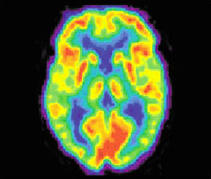
activity in a 20-year-old.
One of the most recent and compelling explanations for why we sleep is based on findings that sleep is correlated to changes in the structure and organization of the brain. This phenomenon, known as brain plasticity, is not entirely understood, but its connection to sleep has several critical implications. It is becoming clear, for example, that sleep plays a critical role in brain development in infants and young children. Infants spend about 13 to 14 hours per day sleeping, and about half of that time is spent in REM sleep, the stage in which most dreams occur. A link between sleep and brain plasticity is becoming clear in adults as well. This is seen in the effect that sleep and sleep deprivation have on people’s ability to learn and perform a variety of tasks.
Although these theories remain unproven, science has made tremendous strides in discovering what happens during sleep and what mechanisms in the body control the cycles of sleep and wakefulness that help define our lives. While this research does not directly answer the question, “Why do we sleep?” it does set the stage for putting that question in a new context and generating new knowledge about this essential part of life.
The Takeaway
- Research suggests that sleep plays an important role in memory, both before and after learning a new task.
- Lack of adequate sleep affects mood, motivation, judgment, and our perception of events.
- Although there are some open questions about the specific role of sleep in forming and storing memories, the general consensus is that consolidated sleep throughout a whole night is optimal for learning and memory.
The Learning Process and Sleep
Sleep, learning, and memory are complex phenomena that are not entirely understood. However, animal and human studies suggest that the quantity and quality of sleep have a profound impact on learning and memory. Research suggests that sleep helps learning and memory in two distinct ways. First, a sleep-deprived person cannot focus attention optimally and therefore cannot learn efficiently. Second, sleep itself has a role in the consolidation of memory, which is essential for learning new information.

for optimal learning and
memory function.
Although the exact mechanisms are not known, learning and memory are often described in terms of three functions. Acquisition refers to the introduction of new information into the brain. Consolidation represents the processes by which a memory becomes stable. Recall refers to the ability to access the information (whether consciously or unconsciously) after it has been stored.
Each of these steps is necessary for proper memory function. Acquisition and recall occur only during wakefulness, but research suggests that memory consolidation takes place during sleep through the strengthening of the neural connections that form our memories. Although there is no consensus about how sleep makes this process possible, many researchers think that specific characteristics of brainwaves during different stages of sleep are associated with the formation of particular types of memory.
Sleep researchers study the role of sleep in learning and memory formation in two ways. The first approach looks at the different stages of sleep (and changes in their duration) in response to learning a variety of new tasks. The second approach examines how sleep deprivation affects learning. Sleep deprivation can be total (no sleep allowed), partial (either early or late sleep is deprived), or selective (specific stages of sleep are deprived).
Sleep Stages and Types of Memory
Different types of memories are formed in new learning situations. Scientists are exploring whether there is a relationship between the consolidation of different types of memories and the various stages of sleep.

The earliest sleep and memory research focused on declarative memory, which is the knowledge of fact-based information, or “what” we know (for example, the capital of France, or what you had for dinner last night). In one research study, individuals engaged in an intensive language course were observed to have an increase in rapid-eye-movement sleep, or REM sleep. This is a stage of sleep in which dreaming occurs most frequently. Scientists hypothesized that REM sleep played an essential role in the acquisition of learned material. Further studies have suggested that REM sleep seems to be involved in declarative memory processes if the information is complex and emotionally charged, but probably not if the information is simple and emotionally neutral.
Researchers now hypothesize that slow-wave sleep (SWS), which is deep, restorative sleep, also plays a significant role in declarative memory by processing and consolidating newly acquired information. Studies of the connection between sleep and declarative memory have had mixed results, and this is an area of continued research.
Dr. Robert Stickgold describes studies that show the importance of sleep in memory consolidation after learning a new task.

Research has also focused on sleep and its role in procedural memory—the remembering “how” to do something (for example, riding a bicycle or playing the piano). REM sleep seems to plays a critical role in the consolidation of procedural memory. Other aspects of sleep also play a role: motor learning seems to depend on the amount of lighter stages of sleep, while certain types of visual learning seem to depend on the amount and timing of both deep, slow-wave sleep (SWS) and REM sleep.
The Impact of Sleep Deprivation on Learning and Performance
Another area that researchers study is the impact that a lack of adequate sleep has on learning and memory. When we are sleep deprived, our focus, attention, and vigilance drift, making it more difficult to receive information. Without adequate sleep and rest, over-worked neurons can no longer function to coordinate information properly, and we lose our ability to access previously learned information.
In addition, our interpretation of events may be affected. We lose our ability to make sound decisions because we can no longer accurately assess the situation, plan accordingly, and choose the correct behavior. Judgment becomes impaired.
Being chronically tired to the point of fatigue or exhaustion means that we are less likely to perform well. Neurons do not fire optimally, muscles are not rested, and the body’s organ systems are not synchronized. Lapses in focus from sleep deprivation can even result in accidents or injury.
Dr. Robert Stickgold describes studies that show the importance of sleep in memory consolidation after learning a new task.
For more information about how sleep deprivation affects performance, see Sleep, Performance, and Public Safety.
Low-quality sleep and sleep deprivation also negatively impact mood, which has consequences for learning. Alterations in mood affect our ability to acquire new information and subsequently to remember that information. Although chronic sleep deprivation affects different individuals in a variety of ways (and the effects are not entirely known), it is clear that a good night’s rest has a strong impact on learning and memory.
Open Questions

sleep after completing a
new course through a maze.
© Tetra Images/Corbis
Although current research suggests that sleep is essential for proper memory function, there are unanswered questions, as in any area of active scientific inquiry. For example, certain medications will significantly, if not entirely, suppress REM sleep. However, patients taking these medications do not report any memory impairment. Similarly, injuries or disease causing lesions to the brainstem (and subsequently eliminating a person’s REM sleep) have not resulted in any obvious loss of the ability to form new memories. Exploration and debate continue.
Not all researchers are convinced that sleep plays as prominent a role in memory consolidation as others believe. In experiments in which animals completed a course through a complicated maze, the animals’ amount of REM sleep increased after performing the task. Some researchers believe that the increase in REM sleep reflects an increased demand on the brain processes that are involved in learning a new task. Other researchers, however, have suggested that any changes in the amount of REM sleep are due to the stress of the task itself, rather than a functional relationship to learning.
Researchers are likewise split with regard to the impact of sleep deprivation on learning and memory. For example, rats often perform much worse on learning tasks after being selectively deprived of REM sleep. This suggests that REM sleep is necessary for the animals’ ability to consolidate the memory of how to perform the task. Some scientists have argued that the observed differences in learning are not actually due to the lack of REM sleep, but may be due to the animals not being as well rested because they were deprived a portion of their sleep.
Summary
In the view of many researchers, evidence suggests that various sleep stages are involved in the consolidation of different types of memories and that being sleep deprived reduces one’s ability to learn. Although open questions (and debate) remain, the overall evidence suggests that adequate sleep each day is very important for learning and memory.

Why Sleep Matters: Consequences of Sleep Deficiency

Most people don’t get enough sleep. We are a society that burns the candle at both ends, a nation where people stay up all night to study, work, or have fun. However, going without adequate sleep carries with it both short- and long-term consequences.
In the short term, a lack of adequate sleep can affect judgment, mood, ability to learn and retain information, and may increase the risk of serious accidents and injury. In the long term, chronic sleep deprivation may lead to a host of health problems including obesity, diabetes, cardiovascular disease, and even early mortality.
The Takeaway
- The cost of poor sleep is much greater than many people think: it may have profound consequences for our long-term health.
- Research has revealed that people who consistently fail to get enough sleep are at an increased risk of chronic disease, and scientists are now beginning to understand why.
- Treating sleep as a priority, rather than a luxury, may be an important step in preventing a number of chronic medical conditions.
The Relationship Between Sleep and Health
The price of insufficient sleep may be poor health. Study after study has revealed that people who sleep poorly are at greater risk for a number of diseases and health problems. And now the search is on to discover why this might be.
We all have some sense of the relationship between sleep and our ability to function throughout the day. After all, everyone has experienced the fatigue, bad mood, or lack of focus that so often follow a night of poor sleep. What many people do not realize is that a lack of sleep—especially on a regular basis—is associated with long-term health consequences, including chronic medical conditions like diabetes, high blood pressure, and heart disease, and that these conditions may lead to a shortened life expectancy. Additional research studies show that habitually sleeping more than nine hours is also associated with poor health.
Dr. Orfeu Buxton describes how animal and human studies suggest that adequate sleep is crucial for a long and healthy life.
Researching the Link Between Sleep Duration and Chronic Disease
There are three main types of study that help us understand the links between sleep habits and the risk of developing certain diseases. The first type (called sleep deprivation studies) involves depriving healthy research volunteers of sleep and examining any short-term physiological changes that could trigger disease. Such studies have revealed a variety of potentially harmful effects of sleep deprivation usually associated with increased stress, such as increased blood pressure, impaired control of blood glucose, and increased inflammation.
The second type of research (called cross-sectional epidemiological studies) involves examining questionnaires that provide information about habitual sleep duration and the existence of a particular disease or group of diseases in large populations at one point in time. For example, both reduced and increased sleep duration, as reported on questionnaires, are linked with hypertension, diabetes, and obesity. However, cross-sectional studies cannot explain how too little or too much sleep leads to disease because people may have a disease that affects sleep, rather than a sleep habit that causes a disease to occur or worsen.
The third and most convincing type of evidence that long-term sleep habits are associated with the development of numerous diseases comes from tracking the sleep habits and disease patterns over long periods of time in individuals who are initially healthy (i.e., longitudinal epidemiological studies). We do not yet know whether adjusting one’s sleep can reduce the risk of eventually developing a disease or lessen the severity of an ongoing disease. However, the results from longitudinal epidemiological studies are now beginning to suggest that this is likely.
Below is some of the evidence demonstrating the relationship between sleep habits and risk for developing certain medical conditions.
Obesity
Several studies have linked insufficient sleep and weight gain.8 For example, studies have shown that people who habitually sleep less than six hours per night are much more likely to have a higher than average body mass index (BMI) and that people who sleep eight hours have the lowest BMI. Sleep is now being seen as a potential risk factor for obesity along with the two most commonly identified risk factors: lack of exercise and overeating. Research into the mechanisms involved in regulating metabolism and appetite are beginning to explain what the connection between sleep and obesity might be.

During sleep, our bodies secrete hormones that help to control appetite, energy metabolism, and glucose processing. Obtaining too little sleep upsets the balance of these and other hormones. For example, poor sleep leads to an increase in the production of cortisol, often referred to as the “stress hormone.” Poor sleep is also associated with increases in the secretion of insulin following a meal. Insulin is a hormone that regulates glucose processing and promotes fat storage; higher levels of insulin are associated with weight gain, a risk factor for diabetes.
Insufficient sleep is also associated with lower levels of leptin, a hormone that alerts the brain that it has enough food, as well as higher levels of ghrelin, a biochemical that stimulates appetite. As a result, poor sleep may result in food cravings even after we have eaten an adequate number of calories. We may also be more likely to eat foods such as sweets that satisfy the craving for a quick energy boost. In addition, insufficient sleep may leave us too tired to burn off these extra calories with exercise.
Diabetes
Researchers have found that insufficient sleep may lead to type 2 diabetes by influencing the way the body processes glucose, the high-energy carbohydrate that cells use for fuel. One short-term sleep restriction study found that a group of healthy subjects who had their sleep cut back from 8 to 4 hours per night processed glucose more slowly than they did when they were permitted to sleep 12 hours. Numerous epidemiological studies also have revealed that adults who usually slept less than five hours per night have a greatly increased risk of having or developing diabetes.9
In addition, researchers have correlated obstructive sleep apnea—a disorder in which breathing difficulties during sleep lead to frequent arousals—with the development of impaired glucose control similar to that which occurs in diabetes. Explore APNEA
Heart Disease and Hypertension

Studies have found that a single night of inadequate sleep in people who have existing hypertension can cause elevated blood pressure throughout the following day. This effect may begin to explain the correlation between poor sleep and cardiovascular disease and stroke.10 For example, one study found that sleeping too little (less than six hours) or too much (more than nine hours) increased the risk of coronary heart disease in women.11
There is also growing evidence of a connection between obstructive sleep apnea and heart disease. People who have apnea typically experience multiple awakenings each night as a result of the closing of their airway when they fall asleep. In addition to these sleep disturbances, apnea sufferers also experience brief surges in blood pressure each time they wake up. Over time, this can lead to the chronic elevation of blood pressure known as hypertension, which is a major risk factor for cardiovascular disease. Fortunately, when sleep apnea is treated, blood pressure may go down.
Dr. Janet Mullington discusses how studies suggest a link between sleep deprivation and increased risk for cardiovascular disease.
Mood Disorders
Given that a single sleepless night can cause people to be irritable and moody the following day, it is conceivable that chronic insufficient sleep may lead to long-term mood disorders. Chronic sleep issues have been correlated with depression, anxiety, and mental distress. In one study, subjects who slept four and a half hours per night reported feeling more stressed, sad, angry, and mentally exhausted. In another study, subjects who slept four hours per night showed declining levels of optimism and sociability as a function of days of inadequate sleep. All of these self-reported symptoms improved dramatically when subjects returned to a normal sleep schedule.
Immune Function
It is natural for people to go to bed when they are sick. Substances produced by the immune system to help fight infection also cause fatigue. One theory proposes that the immune system evolved “sleepiness inducing factors” because inactivity and sleep provided an advantage: those who slept more when faced with an infection were better able to fight that infection than those who slept less. In fact, research in animals suggests that those animals who obtain more deep sleep following experimental challenge by microbial infection have a better chance of survival.
Alcohol

Studies have shown that alcohol use is more prevalent among people who sleep poorly. The reason for this is twofold. First, alcohol acts as a mild sedative and is commonly used as a sleep aid among people who have sleep problems such as insomnia. Second, the sedative quality of alcohol is only temporary. As alcohol is processed by the body over a few hours it begins to stimulate the parts of the brain that cause arousal, in many cases causing awakenings and sleep problems later in the night.
Life Expectancy
Considering the many potential adverse health effects of insufficient sleep, it is not surprising that poor sleep is associated with lower life expectancy.12 Data from three large cross-sectional epidemiological studies reveal that sleeping five hours or less per night increased mortality risk from all causes by roughly 15 percent.
Of course, just as sleep problems can affect disease risk, several diseases and disorders can also affect the amount of sleep we get. While an estimated 50 to 70 million Americans suffer from some type of sleep disorder, most people do not mention their sleeping problems to their doctors, and most doctors do not necessarily ask about them. This widespread lack of awareness of the impact of sleep problems can have serious and costly public health consequences.
To learn more about sleep disorders, the risks they pose, and possible treatment options, see An Overview of Sleep Disorders.
The Takeaway
- The demands and expectations of our modern society have placed increasing demands on our time, and more than ever people are making up for those demands by cutting back on sleep.
- At the same time, it is becoming increasingly clear that the cost of insufficient sleep is much higher than most people recognize.
- Scientific research is revealing, for example, how sleep loss, and even poor-quality sleep, can lead to an increase in errors at the workplace, decreased productivity, and accidents that cost both lives and resources. Awareness can help you improve your sleep habits and in turn your safety.
Costly, Preventable Accidents

Insufficient sleep may not have led the news in reporting on serious accidents in recent decades. However, that doesn’t mean fatigue and inattention due to sleep loss didn’t play a role in these disasters. For example, investigators have ruled that sleep deprivation was a significant factor in the 1979 nuclear accident at Three Mile Island, as well as the 1986 nuclear meltdown at Chernobyl.13
Investigations of the grounding of the Exxon Valdez oil tanker, as well as the explosion of the space shuttle Challenger, have concluded that sleep deprivation also played a critical role in these accidents. In both cases, those in charge of the operations and required to make critical decisions were operating under extreme sleep deprivation. While the Challenger disaster put the multi-billion dollar shuttle program in peril, the Exxon Valdez oil spill resulted in incalculable ecological, environmental, and economic damage.
In addition to the ties between such high-profile disasters and sleep deprivation, there is a growing recognition of the link between lack of sleep and medical errors in our hospitals.14 According to the Institutes of Medicine, over one million injuries and between 50,000 and 100,000 deaths each year result from preventable medical errors, and many of these may be the result of insufficient sleep, Doctors, especially newly graduated interns, are often expected to work continuous shifts of 24 to 36 hours with little or no opportunity for sleep.
Although it is difficult to estimate the extent that sleep deprivation plays in medical errors, studies have shown a significant impact. For example, a 2004 study led by Dr. Charles Czeisler of the Division of Sleep Medicine at Harvard Medical School found that hospitals could reduce the number of medical errors by as much as 36 percent by limiting an individual doctor’s work shifts to 16 hours and reducing the total work schedule to no more than 80 hours per week.
Dr. Robert Stickgold discusses a link between sleep loss and impaired judgement.
Long shifts and other factors that result in sleep loss have safety consequences for our highways as well. A National Sleep Foundation survey has revealed that 60 percent of adult drivers—about 168 million people—say they have driven a vehicle while feeling drowsy in the past year, and that more than one-third (103 million people) have actually fallen asleep at the wheel. Unfortunately, many of these situations end in tragedy. The National Highway Traffic Safety Administration estimates that 100,000 police-reported crashes are the direct result of driver fatigue each year, and they consider this a conservative estimate. More recent data suggests that the true number is likely much higher. The Institute of Medicine estimates—based on recent high quality naturalistic and epidemiologic studies—that drowsy driving is responsible for fully 20 percent of all motor vehicle crashes. That would mean that drowsy driving causes approximately 1 million crashes, 500,000 injuries, and 8,000 deaths each year in the U.S.
Dr. Charles Czeisler discusses the link between motor vehicle accidents and tired drivers.
How Sleep Deprivation Affects Mental Performance
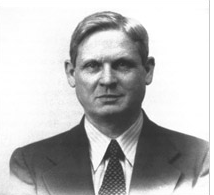
The earliest scientific evidence of a link between sleep and performance dates back to the early 1930’s, when Nathaniel Kleitman, one of most significant figures in the field of sleep medicine, discovered a daily pattern in the speed and accuracy of cognitive performance. He showed that even in well-rested individuals there was a decrease in the level of individual performance that occurred in the early morning and again late at night. Thus, even when we are getting the amount of sleep we need, we can still expect normal fluctuations in our ability to function.
In addition to these normal fluctuations, not getting enough sleep—whether for just one night or over the course of weeks to months—has a significant effect on our ability to function. Sleep deprivation negatively impacts our mood, our ability to focus, and our ability to access higher-level cognitive functions. The combination of these factors is what we generally refer to as mental performance. In the laboratory, researchers use scientific studies to determine just how significantly varying levels of sleep disturbance impact various types of mental performance.
The most immediate effect of sleep deprivation is sleepiness. In our daily lives, we may experience this as a general fatigue, lack of motivation, or even the experience of nodding off. In the research or clinical setting, scientists measure sleepiness using a variety of methods. After a period of sleep deprivation, there are noticeable changes in brain activity, as measured by an electroencephalogram (EEG). These changes correspond to a lower level of alertness and a general propensity to sleep. Any period of continual wakefulness beyond the typical 16 hours or so will generally lead to these measurable changes.
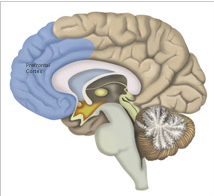
In addition to the feeling of sleepiness and changes in brain activity that accompany a night without sleep, other measures of performance are noticeably altered. Concentration, working memory, mathematical capacity, and logical reasoning are all aspects of cognitive function compromised by sleep deprivation. However, not all of these functions rely on the same regions of the brain, nor are they impacted by sleep deprivation to the same degree. For example, the region of the brain known as the prefrontal cortex (PFC) is responsible for many higher-level cognitive functions and is particularly vulnerable to a lack of sleep. As a result, people who are sleep deprived will begin to show deficits in many tasks that require logical reasoning or complex thought.
Dr. Charles Czeisler describes four factors that affect alertness and performance.
Determining just how much performance is affected by sleep loss is difficult, in part because of factors such as individual differences in sensitivity to sleep deprivation, as well as individual differences in motivation to stay alert despite sleep loss. Even so, the evidence is clear that a lack of sleep leads to poor performance. As the prevalence of inadequate sleep grows and the demands of the workplace change, it becomes increasingly critical that we recognize and take action to mitigate the impact that insufficient sleep has on our safety and well-being.
Why Sleep Matters: Historical and Cultural Perspectives of Sleep
Historical Timeline of Human Sleep
Use this interactive timeline to trace the path of our approach to and understanding of sleep throughout human history. Select a time period to start and click on the colored boxes for additional information.
Milestones in the History of Sleep
Watch Dr. Robert Stickgold recall the discovery of brain activity during sleep, one of the most important advances in sleep research, Dr. Dennis Dean discuss the impact of artificial lighting on today's society, and Dr. Charles Czeisler describe the discovery of the phenomenon of sleep inertia.
Discovery of Brain Activity During Sleep
Dr. Robert Stickgold describes the discovery of electrical brain activity during sleep, a milestone in sleep research in the 1950’s.
Impact of Artificial Lighting
Dr. Dennis Dean discusses how the light bulb has exposed the human system to light at times that would normally be dark, and the impact this has had on how long people sleep.
Sleep Inertia
Dr. Charles Czeisler describes the discovery of the phenomenon of sleep inertia by the U.S. Air Force in the 1950’s.
Science of Sleep: What is Sleep?
Fifty years of research on brain activity and physiological patterns of sleeping has revealed a great deal about what sleep is and what it is not.
We all have at least a vague notion of what sleep is, but that doesn’t mean that defining this mysterious part of our lives is simple. After all, detailed analysis of our own sleep isn’t really an option, given that we rarely know that we’re sleeping when we’re asleep. And even if we observe the sleep of others, so much of what they experience—changes in the functions of their brains and bodies—is not easily seen from the outside.
Sleep scientists have explored these changes in depth, and their definition of sleep is tied to characteristic patterns of brain waves and other physiological functions. Not the passive state many people once considered it to be, sleep is now known to be a highly active process during which the day’s events are processed and energy is restored. Features in this section describe and explain the significance of typical sleep patterns, as well as a variety of factors that disrupt these patterns.
The Takeaway
- Sleep is a state that is characterized by changes in brain wave activity, breathing, heart rate, body temperature, and other physiological functions.
- Depending on the sleep stage, different physiological functions may be more active and variable (for example, during REM sleep), or less active and more stable (for example, during NREM.
- The reasons why we dream and the meaning of our dreams, despite scientific investigations, still largely remain a mystery.
What is Sleep?

- Sleep is a period of reduced activity.
- Sleep is associated with a typical posture, such as lying down with eyes closed in humans.
- Sleep results in a decreased responsiveness to external stimuli.
- Sleep is a state that is relatively easy to reverse (this distinguishes sleep from other states of reduced consciousness, such as hibernation and coma).

Physiological Changes During Sleep
Many physiological variables are controlled during wakefulness at levels that are optimal for the body’s functioning. Our temperature, blood pressure, and levels of oxygen, carbon dioxide, and glucose in the blood remain quite constant during wakefulness. During sleep, however, physiological demands are reduced and temperature and blood pressure drop. In general, many of our physiological functions such as brain wave activity, breathing, and heart rate are quite variable when we are awake or during REM sleep, but are extremely regular when we are in non-REM sleep.
Brain Activity. For centuries, physicians believed that sleep was a period of brain inactivity, yet research over the last 60 years has shown us that the brain remains active during sleep. There is a progressive decrease in the activation or “firing” rate of most neurons throughout the brain as sleep progresses from wakefulness to non-REM sleep. Also, the patterns of neuron firing change from a seemingly random and variable activity pattern during wakefulness, to a much more coordinated and synchronous pattern during non-REM sleep.15
During REM sleep (the stage of sleep most associated with dreaming) there is an increase in the firing rate of most neurons throughout the brain, as compared to non-REM sleep. In fact, the brain in REM sleep can even be more active than when we are awake. Patterns of brain activity during REM sleep are more random and variable, similar to during wakefulness. This pattern of brain activity during REM sleep probably underlies the intense dreaming that occurs during this state.
In all mammals and many other animals, sleep can be defined in much the same way that we define sleep for humans. However, there are some notable differences among species. When humans sleep, the entire brain is involved. Dolphins and whales, on the other hand, need to maintain consciousness while they sleep so they can occasionally surface to breathe. In these marine mammals, sleep occurs in only one hemisphere of their brain at a time—allowing for some degree of consciousness and vigilance to be maintained at all times.
For more information about the brain during sleep, see Natural Patterns of Sleep and Under the Brain’s Control.
Dr. Steven Shea describes the brain’s activity
during REM sleep.

Body Temperature. Through a process known as thermoregulation, the temperature of our body is controlled by mechanisms such as shivering, sweating, and changing blood flow to the skin, so that body temperature fluctuates minimally around a set level during wakefulness. Just before we fall asleep, our bodies begin to lose some heat to the environment, which some researchers believe actually helps to induce sleep. During sleep, our central set temperature is reduced by 1 to 2°F.16 As a result, we use less energy maintaining our body temperature. It has been hypothesized that one of the primary functions of sleep is to conserve energy in this way.
Body temperature is still maintained, although at a slightly reduced level during non-REM sleep, but during REM sleep our body temperature falls to its lowest point. Curling up in bed under a blanket during the usual 10- to 30-minute periods of REM sleep ensures that we do not lose too much heat to the environment during this potentially dangerous time without thermoregulation.

Respiratory Changes. Our breathing patterns also change during sleep.17 When we are awake, breathing is usually quite irregular, since it is affected by speech, emotions, exercise, posture, and other factors. As we progress from wakefulness through the stages of non-REM sleep, our breathing rate slightly decreases and becomes very regular. During REM sleep, the pattern becomes much more variable again, with an overall increase in breathing rate.
Cardiovascular Activity. One of the possible functions of sleep is to give the heart a chance to rest from the constant demands of waking life. As compared to wakefulness, during non-REM sleep there is an overall reduction in heart rate and blood pressure.17 During REM sleep, however, there is a more pronounced variation in cardiovascular activity, with overall increases in blood pressure and heart rate. Additionally, changes in blood flow that cause erections to occur in males or swelling of the clitoris in females is characteristic of REM sleep The underlying reason for these considerable neural and physiological variations in REM sleep is currently unknown, and may be a by-product of REM-related changes in nervous system activity or related to dream content.
Increased Physiological Activity During Sleep. For the most part, many physiological activities are reduced during sleep. For example, kidney function slows and the production of urine is decreased. However, some physiological processes may be maintained or even increased during sleep. Hormones are secreted during sleep.18 For example, one of the greatest changes induced by sleep is an increase in the release of growth hormone. Certain physiological activities associated with digestion, cell repair, and growth are often greatest during sleep, suggesting that cell repair and growth may be an important function of sleep.
Dreams
One of the most notable but least understood characteristics of sleep is dreaming, during which our thoughts follow bizarre and seemingly illogical sequences, sometimes random and sometimes related to experiences gathered during wakefulness.19 Visually intense dreaming occurs primarily during REM sleep. However, not all dreams occur during REM sleep. For example, night terrors actually occur during non-REM sleep.
Dr. Thomas Scammell describes the changes that the body goes through during a typical night of sleep

Dr. Robert Stickgold describes the physiological underpinnings for why we might
dream about the things we do.
Summary
Clearly the changes in brain activity and physiological functions during sleep are quite profound. These changes are used to help define the occurrence of sleep. Ultimately, some of these changes may help us to answer the difficult question of “Why do we sleep?” Although scientists are unsure exactly why we sleep, there are many clues about the functions that sleep serves and how getting more and higher quality sleep can improve our health and wellbeing.
To explore these ideas in more depth, see Benefits of Sleep and Consequences of Sleep Deficiency?
The Takeaway
- Sleep was once considered an inactive, or passive, state in which both the body and the brain “turned off” to rest and recuperate from the day’s waking activities.
- Scientists have since found that the brain goes through characteristic patterns of activity throughout each period of sleep, and that it is sometimes more active when we’re asleep than when we’re awake.
- Understanding these patterns, and the factors that affect them, may help in making choices that will lead to better quality sleep.
Waking up to Sleep
Our bodies require sleep in order to maintain proper function and health. In fact, we are programmed to sleep each night as a means of restoring our bodies and minds. Two interacting systems—the internal biological clock and the sleep-wake homeostat—largely determine the timing of our transitions from wakefulness to sleep and vice versa. These two factors also explain why, under normal conditions, we typically stay awake during the day and sleep at night. But what exactly happens when we drift off to sleep?
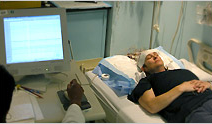
Prior to the era of modern sleep research in the early 1920s, scientists regarded sleep as an inactive brain state. It was generally accepted that as night fell and sensory inputs from the environment diminished, so too did brain function. In essence, scientists thought that the brain simply shut down during sleep, only to restart again when morning came.
In 1929, an invention that enabled scientists to record brain activity challenged this way of thinking. From recordings known as electroencephalograms (EEGs), researchers could see that sleep was a dynamic behavior, one in which the brain was highly active at times, and not turned off at all. Over time, sleep studies using EEGs and other instruments that measured eye movements and muscle activity would reveal two main types of sleep. These were defined by characteristic electrical patterns in a sleeping person’s brain, as well as the presence or absence of eye movements.
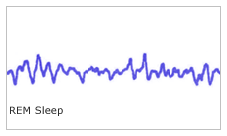
The two main types of sleep are rapid-eye-movement (REM) sleep and non-rapid-eye-movement (NREM) sleep. On an EEG, REM sleep, often called “active sleep,” is identifiable by its characteristic low-amplitude (small), high-frequency (fast) waves and alpha rhythm, as well as the eye movements for which it is named. Many sleep experts think that these eye movements are in some way related to dreams. Typically, when people are awakened from REM sleep, they report that they had been dreaming, often extremely vivid and sometimes bizarre dreams. In contrast, people report dreaming far less frequently when awakened from NREM sleep. Interestingly, during REM sleep muscles in the arms and legs are temporarily paralyzed. This is thought to be a neurological barrier that prevents us from “acting out” our dreams.
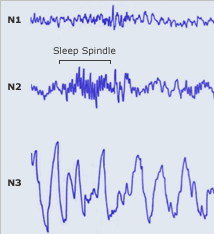
NREM sleep can be broken down into three distinct stages: N1, N2, and N3. In the progression from stage N1 to N3, brain waves become slower and more synchronized, and the eyes remain still. In stage N3, the deepest stage of NREM, EEGs reveal high-amplitude (large), low-frequency (slow) waves and spindles. This stage is referred to as “deep” or “slow-wave” sleep.
Cycling at Night
In healthy adults, sleep typically begins with NREM sleep. The pattern of clear rhythmic alpha activity associated with wakefulness gives way to N1, the first stage of sleep, which is defined by a low-voltage, mixed-frequency pattern. The transition from wakefulness to N1 occurs seconds to minutes after the start of the slow eye movements seen when a person first begins to nod off. This first period of N1 typically lasts just one to seven minutes. The second stage, or N2, which is signaled by sleep spindles and/or K complexes in the EEG recording, comes next and generally lasts 10 to 25 minutes. As N2 sleep progresses, there is a gradual appearance of the high-voltage, slow-wave activity characteristic of N3, the third stage of NREM sleep. This stage, which generally lasts 20 to 40 minutes, is referred to as “slow-wave,” “delta,” or “deep” sleep. As NREM sleep progresses, the brain becomes less responsive to external stimuli, and it becomes increasingly difficult to awaken an individual from sleep.
Dr. Thomas Scammell describes the different stages of sleep and their characteristics.

Following the N3 stage of sleep, a series of body movements usually signals an “ascent” to lighter NREM sleep stages. Typically, a 5- to 10-minute period of N2 precedes the initial REM sleep episode. REM sleep comprises about 20 to 25 percent of total sleep in typical healthy adults.
NREM sleep and REM sleep continue to alternate through the night in a cyclical fashion. Most slow-wave NREM sleep occurs in the first part of the night; REM sleep episodes, the first of which may last only one to five minutes, generally become longer through the night. During a typical night, N3 sleep occupies less time in the second cycle than the first and may disappear altogether from later cycles. The average length of the first NREM-REM sleep cycle is between 70 and 100 minutes; the average length of the second and later cycles is about 90 to 120 minutes. The reason for such a specific cycling pattern of NREM and REM sleep across the night is unknown. Some scientists speculate that specific sequences of NREM and REM sleep optimize both physical and mental recuperation as well as some aspects of memory consolidation that occur during sleep, but this has not been confirmed.
Shifting Sleep Patterns
Sleep patterns can be affected by many factors, including age, the amount of recent sleep or wakefulness, the time of the day or night relative to an individual’s internal clock, other behaviors prior to sleep such as exercise, stress, environmental conditions such as temperature and light, and various chemicals.
For example, for the first year of life, sleep often begins in the REM state. The cyclical alternation of NREM-REM sleep in newborns is present from birth but at 50 to 60 minutes is much shorter than the 90-minute cycles that occur in adults. Consolidated nocturnal sleep and fully developed EEG patterns of the NREM sleep stages emerge only after two to six months. Slow-wave sleep is greatest in young children and it decreases steadily with age, even if sleep duration does not change. This may be related to changes in the structure and function of the brain.
Dr. Thomas Scammell describes the cycles of REM and NREM sleep tht occur throughout the night
Sleep history—the quantity and quality of an individual’s sleep in recent days—can also have dramatic effects on sleep patterns. Repeatedly missing a night’s sleep, an irregular sleep schedule, or frequent disturbance of sleep can result in a redistribution of sleep stages, for instance, prolonged and deeper periods of slow-wave NREM sleep. Drugs may affect sleep stages as well. For example, alcohol before sleep tends to suppress REM sleep early in the night. As the alcohol is metabolized later in the night, REM sleep rebounds. However, awakenings also become more frequent during this time.
To learn more about the many factors that affect sleep patterns, see External Factors That Influence Sleep.
Daytime Napping
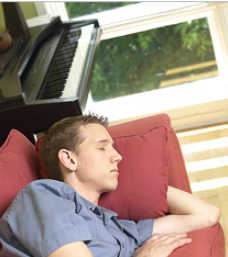
Although it is common for people in many western societies to sleep in a single consolidated block of about eight hours during the night, this is by no means the only sleep pattern. In fact, following this schedule and foregoing an afternoon nap would seem highly abnormal to many people around the world.
In many cultures, particularly those with roots in tropical regions, afternoon napping is commonplace and is built into daily routines. And although the exact timing of naps is not officially scheduled, it is not uncommon for stores and government offices to close and for many activities to stop for an hour or two every afternoon.
Afternoon naptime typically coincides with a brief lag in the body’s internal alerting signal. This signal, which increases throughout the day to offset the body’s increasing drive to sleep, wanes slightly in mid-afternoon, giving sleep drive a slight edge. Napping also typically happens during the warmest period of the day and generally follows a large mid-day meal, which explains why afternoon sleepiness is so often associated with warm afternoon sun and heavy lunches.
Afternoon naps for most people typically last between 30 and 60 minutes. Any longer and there is a risk of falling into deep sleep and having a difficult time waking. Following a nap, having dissipated some of the accumulated sleep drive, many people report feeling better able to stay awake and alert in the late afternoon and evening. This increased alertness typically causes people to go to bed later and generally to sleep less at night than people who do not take naps.
According to sleep experts, napping can be a good way for people who do not sleep well at night to catch up. They do caution, however, that people with insomnia may make their nighttime sleep problem worse by sleeping during the day. Otherwise, they generally recommend naps for people who feel they benefit from them.
Click on the interactive activity below to learn more about normal sleep patterns and how they are altered with age and in some conditions that affect sleep.
Science of Sleep: How is Sleep Regulated?
Transitions between wakefulness and sleep are controlled and regulated by the brain, which also plays a key role in directing quantity and depth of sleep. However, sleep is also strongly influenced by external factors, such as light and caffeine.
Features in this section explore the basics of sleep regulation: the structures of the brain that control wakefulness and sleep, the systems that interact to enable us to stay awake and asleep for many hours at a time, and the external factors that can influence both.
The Takeaway
- Staying awake and alert or sleeping restfully when we choose to depends largely on the function of a few small areas of the brain.
- When the alerting areas of the brain are most active, they inhibit activity in other areas of the brain responsible for promoting sleep. This inhibition of sleep results in stable wakefulness.
- Similarly, when the sleep-promoting areas of the brain are most active, they inhibit activity in areas of the brain responsible for promoting wakefulness. This inhibition of wakefulness results in stable sleep.
- We normally change from one stable state to the other due to internal factors, such as increasing drive to sleep that builds up during wakefulness, and changing influences from our internal biological clock.
- A number of other factors can influence the stability of this system and may cause us to fall asleep or wake up at inopportune times.
The transition is nearly instantaneous—you’re awake one moment, asleep the next. This alteration of consciousness involves a swift but complex interaction between various parts of the brain. Meet the sleep switch and learn about its function.
Stable Wakefulness and Stable Sleep
In every 24-hour period, it is common for people to be continuously awake for about 16 hours and then almost continuously asleep for approximately 8 hours. A small number of brain cells are responsible for keeping us awake or asleep—some cells promote wakefulness and others promote sleep. The neurons that promote wakefulness inhibit those that promote sleep, and vice versa. This interaction normally leads to either a relatively stable period of wakefulness or a relatively stable period of sleep.
Dr. Thomas Scammell discusses how structures and chemical in the brain are responsible for producing both wakefulness and sleep.
Although the brain’s control of sleep and wakefulness is not entirely understood, scientists have pinpointed many areas of the brain involved in regulating these processes and have learned a great deal about how these areas function. For example, we now know that several areas in the brainstem and hypothalamus promote wakefulness by sending arousal signals to the cerebral cortex, the brain’s largest region. These signals come in the form of chemicals called neurotransmitters. When neurons in the arousal areas are active, the cortex remains activated and we stay awake.
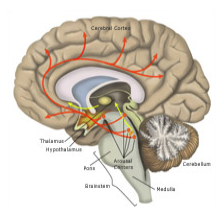
One area of the brain that promotes arousal is the tuberomammillary nucleus (TMN). Here, neurons release histamine as one of their neurotransmitters. Interestingly, many “anti-histamine” medicines block this arousing signal and cause sleepiness. Other neurons produce a neurotransmitter called orexin (also known as hypocretin), which directly stimulates the arousal centers as well as the cerebral cortex itself.
Another area of the hypothalamus is responsible for shutting down the brain’s arousal signals and causing the transition to sleep. Neurons in a part of the hypothalamus called the ventrolateral preoptic nucleus (VLPO) connect directly to the many arousal-promoting centers. Rather than stimulating activity in these areas, signals from VLPO neurons inhibit their activity. By shutting down the arousal centers, the VLPO promotes sleep.
A “Flip-Flop Switch” Between Sleep and Wakefulness
The ability to remain in a stable period of sleep or wakefulness is a result of what scientists call “mutual inhibition” between the wake-promoting neurons and the sleep-promoting neurons.20,21 So, for example, the areas of the brain that maintain wakefulness by activating the cortex also inhibit VLPO neurons. Conversely, when VLPO neurons fire rapidly and induce sleep, they also inhibit activity in the arousal centers such as the TMN.
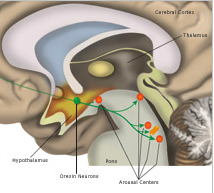
Transitions between these stable states of wakefulness and sleep occur relatively quickly, often in just seconds. Some researchers have compared the neurological mechanism that controls these rapid transitions to the “flip-flop switch” in an electrical circuit. In the brain, the mechanism that maintains stability through mutual inhibition is triggered by changes in factors such as the body’s drive for sleep or the circadian alerting signal. When one of these forces becomes strong enough, it drives the transition to the opposite state. The same “flip-flop switch” analogy also describes the brain mechanisms involved in switching between rapid eye movement (REM) sleep and non-rapid eye movement (NREM) sleep.22 However, different neurotransmitters and different groups of neurons in the brainstem are involved in the transitions between REM and NREM sleep.
Factors That Influence These Transitions
People generally require several minutes to calm down and relax enough to fall asleep, and the deepest stages of sleep typically occur 20 or more minutes after sleep onset. However, sleep onset and associated loss of consciousness can occur in an instant. This is particularly obvious in very tired people who can fall asleep at inconvenient and sometimes dangerous times, such as when driving a car. Similarly, waking up from sleep can occur very quickly, for example in response to an alarm clock, although it typically takes people much longer to become fully alert after awakening.
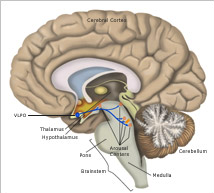
There are many internal factors (such as homeostatic sleep drive and circadian rhythms) and environmental factors (such as noise) that influence the likelihood of falling asleep or waking up. For example, a powerful sleep drive builds up with prolonged wakefulness and shifts the balance toward sleep. How this occurs is not precisely known, but adenosine is one of the chemicals thought to accumulate during prolonged wakefulness. When it does, it serves to induce sleep by inhibiting wake-promoting neurons. Interestingly, caffeine inhibits the actions of adenosine and therefore helps maintain wakefulness.
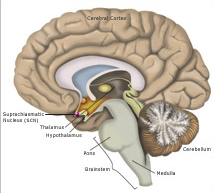
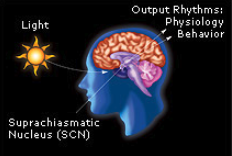
The timing of transitions between sleep and wakefulness are also tied closely to the body’s internal biological clock located in the suprachiasmatic nucleus (SCN). This tiny structure—made up of approximately 50,000 brain cells—receives light signals directly from the eye, through the optic nerve. Light resets the clock to correspond to the day-night cycle. In turn, the clock regulates the timing of dozens of different internal functions, including temperature, hormone release, and sleep and wakefulness. The SCN promotes wakefulness by producing a powerful alerting signal that offsets sleep drive. The SCN promotes sleep by turning off the alerting signal. In addition, the SCN actively maintains sleep throughout the night even after sleep drive has dissipated in the second half of the night.
The Takeaway
- Finding sleep impossible even when you have the chance can be extremely frustrating, but this scenario is common among people who have jet lag or do shift work.
- Under normal conditions, two systems inside the body interact to allow us to sleep and remain alert when we want to.
- Understanding what happens when these two systems fall out of synch is an important step to achieving quality sleep even if you travel or work the night shift.
Sleep Drive
Nodding off at an inopportune moment can be embarrassing or even dangerous. And anyone who has experienced even a short bout of insomnia can attest to the frustration caused by the inability to sleep at a desired hour. These instances might happen more often if it weren’t for two systems whose interaction governs wakefulness and sleep.

We have all experienced that undeniable drive to sleep. Staying up much later than usual, or rising after only a few hours of sleep and then attempting to stay alert and functional throughout the day, serve as an unpleasant reminder of the power of the sleep drive. And even when we feel alert and are unaware of our sleep drive, it is always present and growing while we’re awake. In fact, the only true way to reduce rather than mask sleep drive is to sleep. Scientists refer to sleep drive as a homeostatic system. Like body temperature or blood sugar, sleep is regulated internally. For instance, when body temperature falls, blood vessels constrict and we shiver; when blood sugar levels rise, the pancreas secretes insulin; and when we remain awake for an extended period of time, structures in the brain promote sleep. Furthermore, the duration and depth of our sleep vary according to the quantity and quality of sleep obtained previously. With every waking hour there is a strengthening of the homeostatic sleep drive. This strengthening isn’t directly measurable as a quantity, but experts think that it is the result of the level of brain activity during wakefulness. One hypothesis suggests that the build-up in the brain of adenosine, a by-product of energy consumption by cells, promotes sleep drive. The fact that both adenosine and sleep drive increase during wakefulness and dissipate during sleep suggests a possible link between the two.
Awake and Asleep

Our relatively steady state of alertness over the course of a 16-hour day is due to what scientists call the circadian alerting system, a function of our internal biological clock. The clock, which is responsible for regulating a vast number of daily cycles, is found in a relatively small collection of neurons deep within the brain. Under normal conditions, the clock is highly synchronized to our sleep/wake cycle. When it is, the clock’s alerting signal increases with every hour of wakefulness, opposing the sleep drive that is building at the same time. Only when the internal clock’s alerting signal drops off does sleep load overcome this opposing force and allow for the onset of sleep.
Sleep Drive and Body Clock Through the Night
In the first half of the nightly sleeping period your sleep drive is still significant, and your alerting signal is declining rapidly. In normal circumstances, this means it is easy to maintain sleep. However, after approximately four hours of uninterrupted sleep the situation changes. Now that your sleep drive has decreased, the simple absence of an alerting signal is no longer sufficient to maintain sleep. At this point, the internal clock, which was promoting alertness during the day, begins to play an active role in sleep promotion by sending signals to parts of the brain that serve this function. In this way, the homeostatic sleep drive and the circadian system, when synchronized, interact to provide consolidated periods of both alertness and sleep.23-25
Alertness, of course, varies for most people over the course of a day. For example, the grogginess that people often experience in the mid-afternoon, and commonly attribute to a heavy lunch or a dull meeting, is usually the result of a brief lull in the strength of the alerting signal. While sleep drive continues to climb, there is an hour or two each afternoon during which the alerting signal fails to keep pace, and alertness suffers as a result. Many cultures have incorporated this lull into their lives by making mid-afternoon naps, or siestas, part of the daily routine.
Dr. Charles Czeisler describes the interaction between the internal biological clock and the sleep homeostat.
Another variation in alertness can be found near the end of the waking period, when the alerting signal is at its highest. Sleep experts refer to the period from 8:00 p.m. to 9:00 p.m. (for people who follow a fairly typical sleep/wake schedule) as the “forbidden hour for sleep” because most people find it next to impossible to fall asleep between these times.
A Delicate Balance
It is clear that synchronization of the sleep wake schedule and the internal clock is essential to an individual’s ability to maintain sleep and wakefulness when desired. This has been shown conclusively in sleep research and is widely supported by anecdotal evidence from people who fly across time zones or work night shifts. Both of these activities desynchronize sleep and wake patterns from the internal clock’s circadian rhythms and result in an alerting signal that is too low when an individual wishes to be awake and too high to allow for a consolidated period of sleep.
The Takeaway
- There are many factors, both internal and external, that can influence the quantity and quality of the sleep we obtain.
- Sleep scientists understand how various factors affect sleep and why they have the effects they do.
- Often people who experience sleep issues overlook relatively simple factors that may be causing them to miss out on the sleep they need.
A number of factors including the cups of coffee we drink, artificial lighting and air travel can alter when and how well we sleep by influencing the sensitive systems that regulate sleep and wakefulness.
Sleep in the Real World
The internal mechanisms that regulate our almost ceaseless cycles of sleep and wakefulness make up a remarkable system. However, a variety of internal and external factors can dramatically influence the balance of this sleep-wake system.
Changes in the structure and function of the brain during development can have profound, if gradual, effects on sleep patterns. The amount of sleep we obtain generally decreases and becomes more fragmented throughout our lifespan. These and other variations associated with age are covered at length in the essay Changes in Sleep with Age.
Other factors that affect sleep include stress and many medical conditions, especially those that cause chronic pain or other discomfort. External factors, such as what we eat and drink, the medications we take, and the environment in which we sleep can also greatly affect the quantity and quality of our sleep. In general, all of these factors tend to increase the number of awakenings and limit the depth of sleep.
Light’s Effect
Light is one of the most important external factors that can affect sleep. It does so both directly, by making it difficult for people to fall asleep, and indirectly, by influencing the timing of our internal clock and thereby affecting our preferred time to sleep.
Jet Lag and Shift Work

experience “jet lag” as their
internal clock adjusts to the
new day-night cycle.
Normally, light serves to set our internal clock to the appropriate time. However, problems can occur when our exposure to light changes due to a shift in work schedule or travel across time zones. Under normal conditions, our internal clock strongly influences our ability to sleep at various times over the course of a 24-hour period, as well as which sleep stages we experience when we do sleep.
Individuals who travel across time zones or work the night shift typically have two symptoms. One is insomnia when they are trying to sleep outside of their internal phase, and the other is excessive sleepiness during the time when their internal clock says that they should be asleep. Half of all night shift workers regularly report nodding off and falling asleep when they are at work. This should be seen as an important concern both for individuals and society, given that airline pilots, air traffic controllers, physicians, nurses, police, and other public safety workers are all employed in professions in which peak functioning during a night shift may be critical.
The effects of shift work and jet lag on sleep are covered in much greater detail in Jet Lag and Shift Work and You and Your Biological Clock.

Pain, Anxiety, and Other Medical Conditions
A wide range of medical and psychological conditions can have an impact on the structure and distribution of sleep. These conditions include chronic pain from arthritis and other medical conditions, discomfort caused by gastroesophageal reflux disease, pre-menstrual syndrome, and many others. Like many other sleep disruptions, pain and discomfort tend to limit the depth of sleep and allow only brief episodes of sleep between awakenings.
Individuals of all ages who experience stress, anxiety, and depression tend to find it more difficult to fall asleep, and when they do, sleep tends to be light and includes more REM sleep and less deep sleep. This is likely because our bodies are programmed to respond to stressful and potentially dangerous situations by waking up. Stress, even that caused by daily concerns, can stimulate this arousal response and make restful sleep more difficult to achieve.
Medications and Other Substances
Many common chemicals affect both quantity and quality of sleep. These include caffeine, alcohol, nicotine, and antihistamines, as well as prescription medications including beta blockers, alpha blockers, and antidepressants.
The pressure to sleep builds with every hour that you are awake. During daylight hours, your internal clock generally counteracts this sleep drive by producing an alerting signal that keeps you awake. The longer you are awake, the stronger the sleep drive becomes. Eventually the alerting signal decreases and the drive to sleep wins out. When it does, you fall asleep.
Dr. Lawrence Epstein describes how nicotine in cigarettes can prevent or disrupt sleep.
A chemical called adenosine, which builds up in the brain during wakefulness, may be at least partly responsible for sleep drive. As adenosine levels increase, scientists think that the chemical begins to inhibit the brain cells that promote alertness. This gives rise to the sleepiness we experience when we have been awake for many hours. Interestingly, caffeine, the world’s most widely used stimulant, works by temporarily blocking the adenosine receptors in these specific parts of the brain. Because these nerve cells cannot sense adenosine in the presence of caffeine, they maintain their activity and we stay alert.
If sleep does occur following the intake of caffeine, the stimulant’s effects may persist for some time and can influence the patterns of sleep. For instance, caffeine generally decreases the quantity of slow-wave sleep and REM sleep and tends to increase the number of awakenings. The duration of its effect depends on the amount of caffeine ingested, the amount of time before sleep that the person ingests the caffeine, the individual’s tolerance level, the degree of ongoing sleep debt, and the phase of the individual’s internal clock.
Dr. Lawrence Epstein describes how caffeine works to promote alertness, but can also inhibit restful sleep.

Alcohol is commonly used as a sleep aid. However, although alcohol can help a person fall asleep more quickly, the quality of that individual’s sleep under the influence of alcohol will be compromised. Ingesting more than one or two drinks shortly before bedtime has been shown to cause increased awakenings—and in some cases insomnia—due to the arousal effect the alcohol has as it is metabolized later in the night. Alcohol also tends to worsen the symptoms of sleep apnea, which will further disrupt sleep in people with this breathing disorder.
Dozens of prescription drugs that are used to help control common disease symptoms may have varying effects on sleep. Beta blockers, which are used to treat high blood pressure, congestive heart failure, glaucoma, and migraines, often cause decreases in the amount of REM and slow-wave sleep, and are also associated with increased daytime sleepiness. Alpha blockers, which are also used to treat high blood pressure and prostate conditions, are linked to decreased REM and increased daytime sleepiness. Finally, antidepressants, which can decrease the duration of periods of REM sleep, have unknown long-term effects on sleep as a whole. Some antidepressants, from the class of drugs known as SSRIs, have been found to promote insomnia in some individuals.
Dr. Stephen Amira describes how alcohol consumption can lead to disrupted sleep.
The Sleep Environment
The bedroom environment can have a significant influence on sleep quality and quantity. Several variables combine to make up the sleep environment, including light, noise, and temperature. By being attuned to factors in your sleep environment that put you at ease, and eliminating those that may cause stress or distraction, you can set yourself up for the best possible sleep.

We’ve already noted that too much light at night can shift our internal clock and makes restful sleep difficult to achieve. To minimize this effect, nightlights in hallways and bathrooms can be used. As for noise, although background sounds may relax some people, the volume level must be low. Otherwise, increased frequency of awakenings may prevent transitions to the deeper stages of sleep. Research shows that the ideal temperature range for sleeping varies widely among individuals, so much so that there is no prescribed best room temperature to produce optimal sleep patterns. People simply sleep best at the temperature that feels most comfortable. That said, extreme temperatures in sleeping environments tend to disrupt sleep. REM sleep is commonly more sensitive to temperature-related disruption. For example, in very cold temperatures, we may be deprived entirely of REM sleep. Lastly, it is worth mentioning that the preferences of a spouse or bedmate may have a significant effect on sleep, especially when a partner’s sleep and wake times vary, or if he or she snores or suffers from sleep-disordered breathing. For tips on how to improve your sleep despite all of these factors, see the section Overcoming Factors That Interfere with Sleep. You will find more about typical sleep patterns in Natural Patterns of Sleep.
Genetics, Aging and Sleep: Sleep and Aging
The Takeaway
- Depending on our ability and opportunity to sleep, we may not always get the sleep we require.
- As we age and undergo a variety of developmental changes, our sleep patterns change as well.
- Predicting these changes and understanding why they occur can lead to longer and more restful sleep—and better health.
Although we all need to sleep, how we experience sleep can be quite varied. Some of the factors that influence our sleep are intrinsic to who were are, and some are caused by changes in our routines and circumstances. Age is an important factor that influences how long we sleep, when we want to go to bed and wake up, and how deeply we are able to sleep.
A Life of Change

Over a typical lifespan, the amount of time we spend each day sleeping declines. Newborns spend from 16 to 20 hours asleep each day. Between the ages of one and four, total daily sleep time decreases to about 11 or 12 hours. This gradual decline continues through childhood, such that an adolescent will need—though not necessarily get—about nine hours of sleep to function at his or her best. Adults through middle age need at least eight hours, and although the elderly may still require up to eight hours, they may struggle to obtain those hours in one block.
In addition to changes in sleep duration, sleep patterns also change as we age. In the beginning, as all new parents discover, a newborn’s sleep is sporadic: the need to sleep and the need to eat cycle across the day and night, with little time for anything else. After three or four months, infants begin to develop a pattern in which sleep becomes consolidated into longer periods. Older infants and young children typically obtain their sleep during a solid nighttime session plus two or more daytime naps. Generally speaking, through the toddler years, naps become fewer in number and shorter in duration, and sleep becomes more consolidated during the night. By the age of six or seven, many children have stopped taking naps entirely. Their sleep is experienced much as it will be through adulthood: in a single consolidated block, most often at night.
In many cultures, napping continues to be a normal part of daily life for both young and old. This practice, which in Spanish-speaking countries is called a siesta, tends to be more common in the tropics than in more temperate latitudes. Naps in these cultures typically take place in mid-afternoon and coincide with the hottest time of day, as well as a lull in the brain’s alerting signal that works to counteract the drive to sleep. As a consequence of these regular daytime naps, nighttime sleep is often shifted to a later hour than it is for societies or individuals that don’t nap during the day.
Sleep Stage Variations
Although it may appear so from the outside, sleep is not a completely inactive state. During sleep, the brain’s activity changes in characteristic ways over the course of the night. These patterns have been classified into two main types of sleep: rapid-eye-movement (REM) sleep and non-rapid-eye-movement (NREM) sleep. NREM sleep is broken down into three distinct stages: N1, N2, and N3. These stages are characterized by increasingly larger and slower brain waves. N1 sleep is very light sleep; N2 is slightly deeper sleep; and N3, also called slow-wave sleep, is the deepest NREM sleep stage.
Dr. Richard Ferber describes the typical changes in sleep from early childhood through adolescence.

REM sleep, which is often associated with dreaming, is thought to assist in brain development, especially early in life. Not surprisingly, newborns and infants typically spend about twice as much time as adults in REM sleep. Interestingly, the neurological barrier that inhibits muscles in the legs and arms from contracting during REM sleep and prevents people from “acting out” their dreams is also not fully developed in newborns. Without full inhibition, brain activity associated with REM sleep can result in dramatic twitches and movements of an infant’s limbs. Some of these are strong enough to stir the child from sleep. Only during the second six months of life does the system develop sufficiently to inhibit dramatic body movements during REM sleep.
Sleep cycles, composed of REM and NREM sleep, last for about 50 minutes in children and 90 minutes in adults. Infants’ and children’s cycles contain a relatively large amount of slow-wave (N3) sleep—the non-dreaming, restorative kind that is also known as deep sleep. In early adulthood the amount of slow-wave sleep begins to decline. Elderly adults typically have relatively short periods of slow-wave sleep and fewer of them. In other words, sleep is lighter and more fragmented with brief arousals or longer awakenings throughout the night.
Sleep stages and other patterns are covered in much greater detail in Science of Sleep: What is Sleep.
All in the Timing

As children pass into adolescence, both the stages of sleep and the sleep cycle remain largely unchanged. One thing that does change, however, is the timing of their sleep. Humans possess an internal 24-hour clock, also called the circadian pacemaker, that partly determines the time when people fall asleep and when they wake, as well as their alertness level while they are awake. Interestingly, due to changes in the circadian alerting system related to development, the preferred times for falling asleep and waking are typically delayed in adolescents. This leads to many high school students going to bed relatively late at night because their internal clock prevents them from feeling sleepy until later. However, school start times are usually much earlier than the typical adolescent’s naturally preferred wake time. As a result, many students must wake at unusually early phases of their internal circadian cycle and after inappropriately short sleep duration. Also, exposure to artificial indoor light in the evening fools the internal clock into thinking it is earlier than it actually is, which can make this problem worse. Many students try to catch up on their sleep by sleeping late on the weekends, but this only shifts their internal clock further out of phase with their weekday schedule.
Another important change with aging results from changes in how the two systems that regulate the timing of sleep—the sleep-wake homeostat and the internal clock—interact with each other. Under normal conditions, these two systems keep us alert throughout the day and enable us to sleep throughout the night. As people age, however, the window during which the internal clock enables sleep narrows. This may explain why older people tend to wake up early in the morning and fall asleep earlier in the evening, and also why they may not be able to nap in the early part of the day.
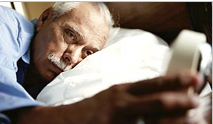
Age-Related Sleep Problems
Given what we know, late childhood may well be the “golden age” of sleep during a lifetime. Beyond the age of 11 or 12, sleep disturbances begin to creep in. In fact, nearly 7 out of every 10 adults experience problems that affect sleep quality.
A number of sleep problems are particular to adult women. Half of them report sleep disturbances during their menstrual periods; three-quarters of expectant mothers report that sleep is more disturbed during pregnancy; and many experience disrupted sleep during menopause, in part due to nighttime “hot flashes.”
Dr. Jeanne Duffy describes some of the underlying causes of sleep problems in older adults.
Insomnia and disrupted sleep in elderly people are a common side effect caused by many chronic medical conditions such as arthritis, congestive heart failure, depression, and gastroesophogeal reflux disorder. Respiratory disorders, such as sleep apnea, which cause multiple arousals during the night, also become more common as people age. Other problems, such as restless legs syndrome, which results in an uncontrollable need to move one’s legs while drifting off to sleep, or periodic limb movements, which cause jerking of the feet or legs during the night, can make it difficult to fall asleep or lead to highly fragmented sleep. Unfortunately, sleep problems in older adults often go undiagnosed and untreated simply because many people believe sleep problems are a normal part of aging or that nothing can be done to help them sleep better. Thankfully, treating any underlying medical disorders can dramatically improve sleep.
© Yellow Dog Productions/Getty Images

Because most older adults are less able than younger adults to maintain sleep, the elderly suffer disproportionately from chronic sleep deprivation. Sleep deprivation may cause individuals to unintentionally nod off during daytime activities. Late afternoon naps can also reduce a person’s ability to sleep through the night, thus potentially worsening insomnia. Learning how the internal clock and sleep drive interact, and how they limit when good sleep can occur, can help people devise strategies that will help them maintain quality sleep as they age.
Find out more about the impact of sleep deficiencies in Consequences of Sleep Deficiency.
Learn about what you can do today to improve your sleep in Twelve Simple Tips to Improve Your Sleep.
And if your sleep difficulties don’t improve through good sleep hygiene, you may want to consult your physician or a sleep specialist. Learn more at When to Seek Treatment.
Genetics, Aging and Sleep: Profiles of Changes with Age

–Kirsten, mother of Sterling and Ridley
There are many changes in sleep that occur throughout the span of the life cycle. Time spent in sleep, preferred bedtime and wake times, and depth and quality of sleep all are influenced by age. Along with these associated changes come certain challenges.
For parents of young children, the challenge often plays out around bedtime, when children want to stay up later than they should. For teens, it may be that an early school start time conflicts with their natural body rhythms to sleep later. And for older adults, it may be difficult to get enough sleep when they habitually wake up several hours earlier than they did when they were younger.
The video profiles below feature stories about real people who are facing these typical sleep challenges, and finding solutions for getting better sleep.
Kirsten's Story: Developing Sleep Routines in Children
Balancing the demonds of work and parenthood, Kirsten explores how developing sleep routines in her children can help ensure a lifetime of healthy sleep habits.
Matt's Story: Rethinking School Start Times
Because their body rhythms drift in a later direction, many teens struggle to wake up for school. Matt decides that it is time to address this problem at his school.
Sleep Strategies Later in Life
Because their body rhythms drift in a later direction, many teens struggle to wake up for school. Matt decides that it is time to address this problem at his school.
Genetics, Aging and Sleep: Genetics of Sleep
The Takeway
- Most adults require approximately 8 hours of sleep per 24 hours, but there can be substantial differences among individuals. Sleep needs may range from about six to nine hours.
- The circadian rhythms generated by our internal biological clocks vary from individual to individual; most clocks run slightly longer than 24 hours, while some run slightly shorter.
- Individual differences in normal sleep requirements and circadian rhythms are likely to be genetically determined—at least in part.
- Ongoing research seeks to understand genetic predispositions to different patterns of sleep, and risks of sleep and circadian rhythm disorders. Knowledge of the genetic changes that affect sleep may help us improve sleep and health, and ultimately understand the functions of sleep.
Sleep is such a familiar part of our daily life that we may take it for granted. However, like many essential physiological functions, sleep is related to many behavioral, environmental, and genetic factors. This essay describes, in brief, the role that genetics plays in sleep and sleep disorders.
Defining Normal Sleep

The amount of sleep a person needs—as well as his or her preference for waking early or staying up late—varies from individual to individual. Some of these variations in sleep duration and timing, like many other characteristics, such as eye or hair color, are genetically determined. In addition to genetic influences, there are cultural, environmental, and behavioral factors that influence when and how much we sleep. For example, many people living in hot climates have an afternoon siesta to avoid activities in the mid-day sun, and consequently have shorter sleep duration at night. The amount of sleep that people obtain is also affected by medical disorders and medications.
Determining exactly how much sleep a person requires usually involves having that individual live in a laboratory environment for a number of days and nights, without other commitments, and allowing them to sleep as much as they wish. Such laboratory studies have revealed that most adults, on average, need between seven and nine hours per night. However, a given individual may be outside that range: some people need as little as six hours, and others require slightly more than nine. A rough idea of how much sleep you need can be obtained by going on “vacation” for several days, going to sleep when you feel sleepy and waking up spontaneously. Assuming you are refreshed when you wake up, the hours you slept are your sleep need.
“Larks” and “Owls”: The Genetics of Circadian Rhythms
Humans are a diurnal species, meaning that we are generally active during the day and sleep at night. Some individuals feel more awake, alert, and able to do their best work in the morning. We typically refer to these people as “larks,” or morning-type individuals. Others have a hard time waking up or feeling alert in the morning and feel that they are most productive in the evening or night. We refer to these people as “owls,” or evening-type people.

What determines our desire to wake with the sun or, conversely, burn the midnight oil, is influenced by the same system that regulates the cycling of many bodily functions. Our internal biological clock resides in the brain and regulates the timing of functions such as appetite, hormone release, and metabolism. Of all the cycles controlled by the circadian system, perhaps the most obvious is the sleep-wake cycle—when we go to sleep and when we wake up.
Although our internal clock is set to approximately 24 hours, the exact timing of circadian rhythms varies from one person to the next. Differences in the speed of the circadian clock may help determine whether you are an “owl’ or a “lark.” For instance, there is some evidence that if your circadian clock runs faster than 24 hours, you may tend to be a “lark”; if your clock runs slower than 24 hours, you tend to be an “owl.”
Although we often use the term “morning person” in fun, being a morning or night person is influenced by the genetics of how fast or slow our internal clocks tick. Genes influence how fast or slow our internal clock runs and, as a result, how closely it—and our body’s functions—align with the 24-hour day.26 Changes in these genes, known as mutations, from one generation to the next can affect the clock’s timing. For example, this can cause a child to have a faster or slower clock than his or her parents.
Although genetics plays an important role in whether you are a morning or evening type, there are several other factors that influence this characteristic. Age, daily work or school schedules, and other environmental, lifestyle, and social factors all play a role.

Circadian Rhythm Sleep Disorders
Some people have rather extreme preferences for sleep timing. For example, people who feel the need to go to bed very early in the evening—say between 7:00 and 9:00 p.m.—and have very early morning awakenings—say between 3:00 and 5:00 a.m.—are classified as having advanced sleep phase syndrome (ASPS). Because of their family and other social obligations, it may be difficult for these people to go to bed early enough to get sufficient sleep. And because early awakenings often occur even after late bedtimes, chronic sleep deprivation is common in people with ASPS.26-28
The opposite extreme is called delayed sleep phase syndrome (DSPS), which is characterized by a very late bedtime and wake time. People with DSPS might go to bed after 2:00 a.m. and have difficulty waking up before 9:00 or 10:00 a.m. In this case, they may have trouble fulfilling school or work obligations. Even if they manage to wake up early, they have trouble falling asleep earlier than 1:00 or 2:00 a.m., again resulting in shortened sleep.26-28
Dr. Anne-Marie Chang describes how certain genes can affect whether an individual feels more alert and active in the morning or in the evening.

Each of these conditions may result from mutations in one or more of our internal clock genes, which code for proteins that are responsible for timekeeping in our cells. Treatment for these conditions includes specifically timed exposure to light—later in the evening for those with ASPS, earlier in the morning for those with DSPS—in an effort to reset the internal circadian clocks to more appropriate phases.
Narcolepsy
Research suggests that other sleep disorders also have a genetic component. Narcolepsy is a neurological disorder characterized by daytime sleepiness, cataplexy (or sudden paralysis), hallucinations at sleep onset, and disturbed nighttime sleep. While there is an increased chance of having narcolepsy if one’s relatives have it, the heritability of narcolepsy is complex. In 1999, researchers discovered that a specific gene causes symptoms in mice and dogs that looked like the symptoms that were associated with narcolepsy in humans. The narcolepsy gene in those animals produces a protein in the brain (called orexin, or hypocretin) that promotes wakefulness.28 In humans, the cells in the brainstem area called the hypothalamus which produce orexin die off resulting in narcolepsy (see Understanding how narcolepsy develops).
Sleep Apnea
Research is underway to identify the gene or genes that place people at risk for sleep apnea, an extreme form of snoring in which an individual’s airway becomes partially or completely blocked, leading to repetitive awakenings and reductions in blood oxygen levels. The research is complex because there are likely to be multiple genes involved. In addition, sleep apnea may be caused by varied factors in different individuals. For instance, different genes may be responsible for helping define the shape of the airways, the control of the muscles surrounding the throat, and the overall control of breathing—all of which may cause or worsen sleep apnea.27,28 Furthermore, such genetic factors must be distinguished from others that might underlie conditions commonly associated with apnea, particularly obesity and hypertension.
Other Genetic Variations That Affect Sleep
Researchers have found that some people with a slight genetic variation in one or more genes are much more vulnerable to the adverse effects of sleep loss than the average person.29 (Staying awake for 24 consecutive hours is one example of sleep loss.) Somewhere between 10 and 20 percent of the population have this type of condition. For example, if a person has a mutation that results in a sleep system that sends out a very strong drive to sleep, he or she may be much less likely to develop insomnia than the average person. However, he or she may have much more difficulty coping with a job that requires working a 24-hour shift (as often occurs for physicians during their residency training).
As researchers continue to study the function and variation in circadian genes and how they influence all systems and cycles in the body, we are likely to learn much more about the mechanisms of sleep, wakefulness, and the many cycles within both of those states. Understanding the genetics of the biological clock will also further the development of treatment options for those individuals who are afflicted with genetically associated sleep disorders.

Getting the Sleep You Need: Overcoming Factors that Interfere with Sleep
Although there are many things that negatively impact sleep, there are nearly as many strategies and treatments available that can help. An important start in improving sleep is identifying and addressing the factors that disturb sleep.
The features in this section provide a wide range of strategies and tips for eliminating (or at least mitigating) the effects of things that interfere with sleep.
Dr. Lawrence Epstein describes the importance of maintaining a healthy lifestyle to ensure good sleep.
For those who struggle nightly with insomnia, a consultation with a sleep behavioral specialist can provide relief.
“People who are able to look at their sleep problems and tackle them in a program that makes sense to them can be very successful in overcoming the problems.”
-Dr. Steven Amira, Behavioral Sleep Medicine Specialist
Watch one woman’s journey towards overcoming her lifelong problems with sleep after consulting with a behavioral sleep medicine specialist who identified her sleep problems and offered practical solutions.
Margaret describes her lifelong struggle with insomnia
Margaret meets with Dr. Stephen Amira, a behavioral sleep specialist, to identify the possible causes of her insomnia
Dr. Amira presents Margaret with a program of strategies designed to help her get better sleep
Margaret talks about the challenges and successes she has had after six weeks of implementing the behavioral sleep strategies.
The importance of controlling light exposure and other powerful alerting cues, especially at bedtime, should never be underestimated.
Falling asleep may seem like an impossible dream when you’re awake at 3 a.m., but good sleep is more under your control than you might think. Following healthy sleep habits can make the difference between restlessness and restful slumber. Researchers have identified a variety of practices and habits—known as “sleep hygiene”—that can help anyone maximize the hours they spend sleeping, even those whose sleep is affected by insomnia, jet lag, or shift work.
Sleep hygiene may sound unimaginative, but it just may be the best way to get the sleep you need in this 24/7 age. Here are some simple tips (Download these tips and more) for making the sleep of your dreams a nightly reality:
#1 Avoid Caffeine, Alcohol, Nicotine, and Other Chemicals that Interfere with Sleep
As any coffee lover knows, caffeine is a stimulant that can keep you awake. So avoid caffeine (found in coffee, tea, chocolate, cola, and some pain relievers) for four to six hours before bedtime. Similarly, smokers should refrain from using tobacco products too close to bedtime.

Although alcohol may help bring on sleep, after a few hours it acts as a stimulant, increasing the number of awakenings and generally decreasing the quality of sleep later in the night. It is therefore best to limit alcohol consumption to one to two drinks per day, or less, and to avoid drinking within three hours of bedtime.
Dr. Lawrence Epstein describes how caffeine works to promote alertness, but can also inhibit restful sleep.
#2 Turn Your Bedroom into a Sleep-Inducing Environment
A quiet, dark, and cool environment can help promote sound slumber. Why do you think bats congregate in caves for their daytime sleep? To achieve such an environment, lower the volume of outside noise with earplugs or a “white noise” appliance. Use heavy curtains, blackout shades, or an eye mask to block light, a powerful cue that tells the brain that it’s time to wake up. Keep the temperature comfortably cool—between 60 and 75°F—and the room well ventilated. And make sure your bedroom is equipped with a comfortable mattress and pillows. (Remember that most mattresses wear out after ten years.)
Also, if a pet regularly wakes you during the night, you may want to consider keeping it out of your bedroom.
It may help to limit your bedroom activities to sleep and sex only. Keeping computers, TVs, and work materials out of the room will strengthen the mental association between your bedroom and sleep.
#3 Establish a Soothing Pre-Sleep Routine

Ease the transition from wake time to sleep time with a period of relaxing activities an hour or so before bed. Take a bath (the rise, then fall in body temperature promotes drowsiness), read a book, watch television, or practice relaxation exercises. Avoid stressful, stimulating activities—doing work, discussing emotional issues. Physically and psychologically stressful activities can cause the body to secrete the stress hormone cortisol, which is associated with increasing alertness. If you tend to take your problems to bed, try writing them down—and then putting them aside.
#4 Go to Sleep When You’re Truly Tired
Struggling to fall sleep just leads to frustration. If you’re not asleep after 20 minutes, get out of bed, go to another room, and do something relaxing, like reading or listening to music until you are tired enough to sleep.
#5 Don’t Be a Nighttime Clock-Watcher
Staring at a clock in your bedroom, either when you are trying to fall asleep or when you wake in the middle of the night, can actually increase stress, making it harder to fall asleep. Turn your clock’s face away from you.
And if you wake up in the middle of the night and can’t get back to sleep in about 20 minutes, get up and engage in a quiet, restful activity such as reading or listening to music. And keep the lights dim; bright light can stimulate your internal clock. When your eyelids are drooping and you are ready to sleep, return to bed.
#6 Use Light to Your Advantage
Natural light keeps your internal clock on a healthy sleep-wake cycle. So let in the light first thing in the morning and get out of the office for a sun break during the day.
#7 Keep Your Internal Clock Set with a Consistent Sleep Schedule
Having a regular sleep schedule helps to ensure better quality and consistent sleep.
Going to bed and waking up at the same time each day sets the body’s “internal clock” to expect sleep at a certain time night after night. Try to stick as closely as possible to your routine on weekends to avoid a Monday morning sleep hangover. Waking up at the same time each day is the very best way to set your clock, and even if you did not sleep well the night before, the extra sleep drive will help you consolidate sleep the following night. Learn more about the importance of synchronizing the clock in The Drive to Sleep and Our Internal Clock.
Dr. Stephen Amira describes the importance of waking up at the same time each day.
#8 Nap Early—Or Not at All
Many people make naps a regular part of their day. However, for those who find falling asleep or staying asleep through the night problematic, afternoon napping may be one of the culprits. This is because late-day naps decrease sleep drive. If you must nap, it’s better to keep it short and before 5 p.m.
#9 Lighten Up on Evening Meals
Eating a pepperoni pizza at 10 p.m. may be a recipe for insomnia. Finish dinner several hours before bedtime and avoid foods that cause indigestion. If you get hungry at night, snack on foods that (in your experience) won’t disturb your sleep, perhaps dairy foods and carbohydrates.
Dr. Stephen Amira discusses the benefits of short naps.
#10 Balance Fluid Intake
Drink enough fluid at night to keep from waking up thirsty—but not so much and so close to bedtime that you will be awakened by the need for a trip to the bathroom.
#11 Exercise Early
Exercise can help you fall asleep faster and sleep more soundly—as long as it’s done at the right time. Exercise stimulates the body to secrete the stress hormone cortisol, which helps activate the alerting mechanism in the brain. This is fine, unless you’re trying to fall asleep. Try to finish exercising at least three hours before bed or work out earlier in the day.
#12 Follow Through
Some of these tips will be easier to include in your daily and nightly routine than others. However, if you stick with them, your chances of achieving restful sleep will improve. That said, not all sleep problems are so easily treated and could signify the presence of a sleep disorder such as apnea, restless legs syndrome, narcolepsy, or another clinical sleep problem. If your sleep difficulties don’t improve through good sleep hygiene, you may want to consult your physician or a sleep specialist. Learn more at When to Seek Treatment.
Getting the Sleep You Need: You and Your Biological Clock
Two internal systems interact to regulate when we sleep and when we are awake. These systems are the sleep/wake homeostat, which monitors our need for sleep based on how long we have been awake; and the circadian system, which regulates the cycling of numerous functions, including when we sleep and wake, every 24 hours.
These two systems usually counterbalance each other. However, because they operate independently, they can become misaligned. Irregular schedules and jet lag wreak havoc with these highly synchronized systems that regulate sleep and wake under normal conditions. During jet lag or shift work, for instance, we might experience an alerting signal when trying to sleep, or, conversely, a powerful drive to sleep when we need to be awake.
Take a tour of these systems, and then explore factors that disrupt their normal interaction.
Getting the Sleep You Need: Jet Lag and Shift Work
The Takeaway
- Traveling across time zones can disrupt regular patterns of sleep and wakefulness.
- Because the internal circadian alerting system is at its strongest during the daytime, night shift workers often find themselves struggling to sleep “on the wrong side of the clock.”
- Good sleep habits (in particular), a regular schedule, and simple workplace measures can help shift workers get the sleep they need.
If It Feels Like Midnight, This Must Be Paris
If you’ve ever traveled by plane across several times zones, chances are you’ve experienced “jet lag.” Symptoms of jet lag may include excessive daytime sleepiness, nighttime insomnia, headache, loss of appetite, gastrointestinal problems, and irritability or mild depression.

Jet lag is a result of the mismatch between the external environment and our internal biological clock. This clock is the pacemaker system that controls many different bodily functions during a 24-hour period and regulates when we sleep and when we wake up. Because plane travel is quick, someone who crosses several time zones will experience a temporary desynchronization between the new time zone schedule and his or her internal clock. For example, if you take a six-hour flight from Boston to Paris and your plane leaves at 6:00 p.m., it will touch down at 6:00 a.m. Paris time. However, to your body it will feel like the middle of the night—because back in Boston it actually is midnight.
Shifting to a new time zone in this way may result in sleep disturbances. This is due to circadian misalignment: your body’s internal clock is out of synch with the actual time in the new time zone. Your body feels that it is time to go to sleep when others are having breakfast, and you feel wide awake when everyone around you is fast asleep.
Fortunately, jet lag is usually temporary because our internal biological clock adapts in response to external cues in the new environment. That adaptation—in which the internal clock readjusts itself a little bit every day until it is in the normal alignment with the external environment—is called entrainment. The environmental cues that nudge the entrainment process along include exposure to light in the first few days following travel, being active, and eating meals and sleeping at appropriate times in the new time zone. It is usually advisable to avoid long daytime naps in the new time zone in order to build up enough of a drive to sleep to promote nighttime sleep.

Of all the environmental cues, light is the most powerful synchronizer of our internal biological clock. It is the cue for the body to know when it should be awake and active. It is difficult to predict what new schedule an individual should adopt in order to minimize the effects of jet lag. It depends on many factors: the time of day of travel, the speed, distance, and direction of travel, the person’s internal clock time, the person’s habitual sleep/wake schedule, and the light/dark schedule.
The general rule of thumb for eastward flights—from North America to Europe, for example—is that travelers should avoid bright light when it is late evening and night according to their internal clock (or their usual nighttime). And conversely, travelers should seek light when it is their usual early morning (generally starting at about 5 a.m. internal time). The objective is to signal to the body that it is an early sunrise—which will result in shifting the internal biological clock earlier toward the correct alignment for the new time zone.
Dr. Dennis Dean describes how jet lag affects the body and suggests ways to minimize the negative effects.

Unfortunately, if a person experiences light much earlier than 5 a.m. internal time, then the body interprets this as a late sunset rather than an early sunrise. This will result in shifting the internal biological clock in the wrong (or later) direction. This undesired effect would exaggerate the misalignment between the internal clock and the new time zone, and result in more pronounced jet lag. In other words, let’s say you take that overnight flight from Boston to Paris that arrives at 6 a.m. local time. When you arrive, your body feels like it is midnight. To adjust most quickly to the new time zone, you should avoid bright sunlight ideally for at least five hours and then seek light after 11 a.m. Generally speaking, the internal clock resets at a rate of about one hour (or time zone) per day. Some body systems and organs may take even longer to adjust to the change. Click on the interactive activity below to learn more about how shifts in your internal biological clock can produce issues with your ability to stay awake or fall asleep at appropriate times.
The Challenges of Shift Work
Unlike travelers who experience jet lag (a temporary disruption of the body’s internal biological clock due to travel across time zones), shift workers—employees who work regular shifts at night or alternate among different shifts—experience longer-term disruptions that carry social as well as physiological implications.
People who work an ongoing night shift (for example, from 11 p.m. to 7 a.m.) must adapt to sleeping during daylight hours and being awake and alert during the night. Although it is possible to adjust one’s schedule to sleep during the daytime, the ability to sleep solidly is a big challenge for many people because their internal clock is usually set to be awake during the day. Similarly, staying awake and alert at night is a challenge for many people because their circadian alerting system is at its lowest point, and from their body’s perspective, the urge to succumb to sleep is quite strong.
Dr. Charles Czeisler describes some of the sleep problems that are typical to shift workers.
In addition, the practical, day-to-day responsibilities of family life, friends, and social obligations make it difficult for a night shift worker to completely transition to a daytime sleep schedule. For example, a person may work the night shift for five consecutive nights, followed by two days and two nights off. During this “weekend,” the person may revert to a typical nighttime-sleep/daytime-awake schedule in order to spend time with family and friends. This causes an individual’s internal clock to shift again, thus requiring another adjustment when the night shift workweek begins. Without a constant sleep/wake schedule during the entire week, the body’s internal biological rhythms may always remain out of sync.
Similar problems may occur for those shift workers who cycle among three different shifts (for example, one week from 7 a.m. to 3 p.m., the next week from 3 p.m. to 11 p.m., the third week from 11 p.m. to 7 a.m.). Changing from one shift schedule to another each week can be disorienting in a similar way as jet lag. In this situation, the body’s sleep-wake schedule is continually desynchronized—that is, the sleep-wake routines are constantly shifting and the body cannot adjust quickly enough to the differing external cues each week. Moreover, the body cannot adequately rest and rebuild when the circadian rhythms are so frequently disrupted.
Dr. Dennis Dean describes how social factors and family obligations make sleeping during the day difficult for those working at night.
Shift Work Disorder

© Getty Images
Some people who work exclusively at night or who work rotating shifts can experience shift work disorder, a chronic condition that is directly related to their work schedule. The two primary symptoms of shift work disorder are insomnia when a person is trying to sleep, and excessive sleepiness when a person needs to be awake and alert.
Insomnia is very common among individuals who sleep during the day. Since the circadian alerting system is typically at its strongest during the daytime, night shift workers find themselves struggling to sleep “on the wrong side of the clock.” Just as undesirable is the fact that individuals who work at night will often experience bouts of extreme drowsiness while they are working. Indeed, about half of all night shift workers report falling asleep at work. When you consider that shift workers include large numbers of long-haul truck drivers, pilots, train operators, medical providers, and individuals responsible for maintaining our 24-hour infrastructure, shift work disorder is a serious public health issue.
Chronic sleep deprivation is one outcome of shift work disorder. Night shift workers, on average, sleep about one and one-half fewer hours per night than daytime workers. Lack of sleep clearly affects alertness, judgment, and performance. The increased rate of work-related accidents at night and motor vehicle accidents following a night shift are evidence that long-term shift work can be hazardous to health and well-being. Recent research suggests that chronic sleep loss may lead to an increased risk for obesity, diabetes, and cardiovascular disease.
For more about the consequences of insufficient sleep, see Sleep and Disease Risk and Sleep, Performance, and Public Safety.
Measures to Help Shift Workers
In addition to shift workers’ getting adequate sleep and maintaining a consistent sleep schedule, there are workplace measures that can be implemented to help them adapt to their schedules and maintain alertness during work. Studies have demonstrated that enhancing lighting in the workplace—increasing the intensity of light and shifting the wavelength of light toward the blue end of the spectrum (to simulate daylight)—makes it easier for workers to adapt to working at night. These changes may even enhance our ability to sleep during the daytime. Strategic use of caffeine can also help shift workers stay awake. It is better if workers consume regular, small doses of caffeine than fewer, large doses, and taper off halfway through their shift if they plan to go home and sleep immediately after work. Breaks for 20- to 30-minute naps have been shown to improve performance. Two wake promoting medications often used for treatment of narcolepsy, modafinil and armodafinil, also are approved for use in shift work sleep disorder. If taken before working at night, they have been shown to improve the ability to stay awake and may be useful as part of an overall strategy improve sleep and wake patterns in shift workers.
Dr. Charles Czeisler provides tips on how to better work at nights.
If shifts must rotate, it is easier for workers to adjust to a schedule that rotates from day shift to evening shift to night shift than it is to adjust to a reverse rotation. If sleep or job alertness problems are persistent and severe, shift workers should consider visiting a sleep specialist for an evaluation of a possible underlying sleep disorder that may be complicating the effects of shift work.
It is critical that shift workers protect their sleep time and pay close attention to their sleep environment. Creating a dark, comfortable, and quiet sleep environment means eliminating anything that could disrupt sleep: turning off the phone during the day, disconnecting the doorbell, and making arrangements for someone else to pick up the children from school. More and more evidence is emerging that getting adequate sleep is essential for our safety, both on the job and off, as well as our overall mood, quality of life, productivity, and health.
Getting the Sleep You Need: When to Seek Treatment
Although many problems with sleep can be dealt with through simple changes in routines or in the sleep environment, sometimes a change in behavior is not enough. If you are having a particular problem with sleep that goes on for a period of time, you might want to consult with a sleep specialist.
Sleep specialists are trained to evaluate individuals for sleep disorders. If you are diagnosed with a sleep disorder, it is important to get treatment. Sleep disorders are usually chronic and may lead to other health complications.
Dr. Lawrence Epstein discusses what to expect from a sleep evaluation and sleep study.
An Overview of Sleep Disorders
Too sleepy or Can’t sleep?
Good news: Sleep disorders are treatable
The Takeaway
- Ignoring sleep disorders can lead to poor health, poor mood, and lethargy, and may negatively impact motivation, relationships, and job performance.
- Self-medicating sleep disorders using over-the-counter (OTC) remedies or alcohol can cause significant side effects, and may make sleep problems worse.
- Sleep specialists can help identify the root cause of many sleep problems and recommend treatments that can improve sleep, health, and quality of life.
Identifying Sleep Disorders
If you spend a great deal of time lying awake in bed at night or frequently nod off during the day, you may have a sleep disorder. A variety of sleep disorders can cause similar symptoms, such as excessive daytime sleepiness. If you suspect you have a sleep disorder, it is important to seek the expert opinion of your physician and/or a sleep specialist.
A sleep doctor can help determine not only the origin and severity of a sleep problem, but can also recommend therapies that may help you obtain better sleep. This essay and other features on this site are intended to help you distinguish between normal sleep disturbances and the three broad categories of clinical sleep disorders that require treatment.
Dr. Lawrence Epstein discusses the types of questions that doctors should be asking patients about their sleep.
Insomnia
On an average night, 30 to 40 million Americans have difficulty falling asleep, staying asleep, or wake earlier than they would like and cannot get back to sleep. These are the major symptoms of insomnia, the most common category of sleep disorders. Although many people with insomnia may accept their symptoms as a part of life, poor quality sleep takes a toll. Studies show that people with insomnia are more likely to become clinically depressed, suffer from poor concentration, and have accidents.
Many people have experienced periods of short-term, or acute, insomnia due to stress or environmental changes, such as job loss or jet lag. Fortunately, for most people these disruptions in sleep may last only a few nights. But in some cases, sleep disruptions persist for long periods and evolve into what specialists call chronic insomnia.
Causes of Chronic Insomnia
Chronic insomnia likely results from a number of biological, environmental and neurophysiologic factors. It is associated with a variety of social stressors (e.g., grief, personal endangerment) as well as mental (e.g., depression) and physical health conditions (e.g., heart disease, asthma). One common conceptual model proposes that persons who develop chronic insomnia have an underlying inherited or acquired predisposition. Insomnia then is initiated by a precipitating event such as loss of a loved one. It becomes chronic by perpetuating factors such as poor sleep habits (e.g., spending excessive amounts of time trying to sleep). Visit Theories That Explain Insomnia to learn more about possible mechanisms that underlie the development of insomnia.
Treatment
In many instances, resolving underlying health issues or changing external factors may be the best approach to relieving the symptoms of insomnia. If underlying health issues cannot be quickly resolved, or environmental factors cannot be identified or changed, then a variety of other treatment options can help. Visit Treatments for Insomnia to learn more about different treatments for chronic insomnia.
Behavioral techniques
- Improved sleep habits, also called sleep hygiene, include such steps as regularizing one’s sleep and wake-up times (including on weekends), ensuring the environment is conducive to sleep, and avoiding daytime naps and other behaviors, as well as substances that can interfere with sleep (e.g., caffeine, exercise) should become an integral part of any insomnia treatment program, but alone is unlikely to be effective.
- Cognitive behavioral therapy addresses the worries and fears of not falling asleep that sometimes can keep you awake. It is recommended as the initial treatment for chronic insomnia. Visit Behavioral Treatments: Cognitive Behavioral Therapy for Insomnia (CBTi) to learn more.
- Meditation and biofeedback ease stress and promote relaxation also can be helpful.
Prescription medications
- Hypnotics or sleeping pills can be effective for treating chronic insomnia, but cognitive behavioral therapy should be tried first.
- Some antidepressants can also promote sleep by virtue of their sedating effect, but have not been formally tested for this purpose and are not approved for this indication by the US Food and Drug Administration.
Over-the-counter sleep medications and remedies
Some of these may be successful in individual cases. Sleep aids often contain an antihistamine, which causes sleepiness but also can cause daytime drowsiness. Of the many herbal sleep remedies promoted as sleep aids, none has been conclusively found to be effective.
Dr. Lawrence Epstein the use of over-the-counter medications for sleep.
Excessive Daytime Sleepiness (EDS)

© Steve Prezant/Corbis
It is not unusual for people to have days when they struggle to stay awake. However, suddenly falling asleep on the job or while driving is not normal—and can be extremely dangerous. Excessive daytime sleepiness (EDS) is a symptom that can be seen in several sleep disorders, including obstructive sleep apnea, narcolepsy, and periodic limb movement disorder.
Obstructive Sleep Apnea (OSA) is an extreme form of snoring in which an individual’s airway becomes partially or completely blocked many times during a night of sleep, leading to repetitive awakenings. As we sleep, muscles in the throat relax. In some people, this relaxation causes tissue at the back to the throat to block the airway. In someone with a severe form of OSA, this may occur hundreds of times per night, interrupting breathing for 30 seconds or more during each instance.
The result of this interrupted breathing pattern is severely disrupted sleep, as the individual must wake up enough to regain muscle control in the throat and to reopen the airway. Surprisingly, despite dozens or even hundreds of awakenings per night, most individuals with OSA have no recollection of these events. In fact, often the only evidence of this serious condition is daytime fatigue and reports of loud snoring from bed partners.
One of the biggest risk factors for OSA is obesity. This may be because excessive weight increases the amount of tissue in the throat and thus makes airway obstruction more likely. Other risk factors include inherited traits, such as small jaw size or large overbite, as well as behavioral factors such as the use of alcohol before sleep.

OSA is a serious condition that can lead to high blood pressure, heart disease, and mood and memory problems. As such, those who suspect they may have OSA should consult their primary care physician, who may in turn refer them to a sleep specialist for an overnight sleep evaluation.
Treatment
- Weight loss is one of the most strongly recommended preventative therapies for weight-related OSA. Although results vary, weight loss may ease the severity of the disorder or eliminate the problem altogether.
- Continuous positive airway pressure (CPAP) is the first line of treatment for moderate to severe cases of OSA. During sleep, the CPAP device keeps the airway open by sending a constant, low-pressure stream of air through the nose and into the airway.
- Position therapy is somewhat less effective; however, some individuals have OSA only when they sleep on their back. This means they can successfully reduce OSA symptoms by sleeping on their side instead.
- Dental devices, which are designed to reposition the lower jaw in a way that keeps the airway open, work well in some individuals with mild to moderate OSA.
- Surgical options include:
- surgical procedures that widen the airway making it less likely to close during sleep
- placement of electrodes to stimulate the nerves that are connected to muscles surrounding the airway (hypoglossal nerve stimulation) thus preventing airway collapse
- bariatric (weight loss) surgery
- Although no medications have been shown to be directly effective in treating OSA, glucagon-like peptide-1 (GLP1) agonists can produce weight loss and thus treat OSA. One GLP1 medication, tirzepatide, has been approved as a treatment for OSA in persons who are obese.
Visit APNEA to learn more about OSA.
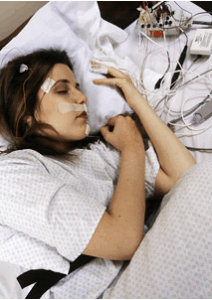
Narcolepsy is best known as an almost uncontrollable need to fall asleep at various times throughout the daytime. Although excessive daytime sleepiness is common among people with narcolepsy, the sudden onset of sleep, or “sleep attacks,” are less so. Affecting approximately one in two thousand people, narcolepsy is a central nervous system disorder in which the brain cannot properly regulate cycles of sleep and wakefulness. This results in an inability to stay awake for prolonged periods of time, and sleep itself can also be quite disturbed.
Other symptoms include:
- Cataplexy—sudden muscle weakness or reversible paralysis in the legs, arms, or face. In extreme cases, an individual may fall down, appear to be asleep, and remain unable to move for seconds to minutes, yet remain fully conscious.
- Hypnagogic hallucinations—intense dream-like experiences that occur during transitions to sleep.
- Sleep paralysis—the inability to talk or move for a short time when waking up or falling asleep.
Treatment
The diagnosis of narcolepsy sometimes requires daytime sleep testing as well as an overnight sleep study. While there is no cure, narcolepsy can be treated with stimulants to reduce daytime sleepiness and antidepressants and other medications to prevent cataplexy, sleep paralysis, and hypnagogic hallucinations. Scheduling daytime naps at convenient times may help to overcome the problems caused by unscheduled “sleep attacks.” Visit NARCOLEPSY to learn more.
Periodic Limb Movements of Sleep (PLMS) is a condition affecting approximately 34 percent of adults over the age of 60. This condition causes involuntary kicking and jerking movements of the legs and arms, often repeated hundreds of times during the night. Like people with sleep apnea, people with PLMS are usually unaware of their multiple nighttime awakenings unless they are witnessed by a bed partner. In extreme cases, these brief arousals following the leg movements disturb sleep so much that they cause excessive daytime sleepiness. In that situation, this is called periodic limb movement disorder (PLMD) and treatment may help with the symptoms of EDS. Patients with restless legs syndrome (an uncomfortable urge to move the legs) often have periodic limb movements during sleep.
Treatment
PLMD is typically treated using medications that have been shown to be useful in treating the movement disorder Parkinson’s disease. In some cases, sleeping pills may be used to prevent arousals caused by limb movements.
Other conditions that can cause EDS include advanced or delayed sleep phase syndromes, which result from abnormal time alignments between the preferred sleep-wake schedule and the phase of the internal clock. There are also numerous medical conditions, such as neuromuscular disorders, that can cause sleep to be fragmented and cause EDS.
Restless Legs Syndrome
Restless legs syndrome (RLS) also known as Willis-Ekbom Disease, is a condition characterized by unpleasant and sometime painful discomfort in the legs and the irresistible need to move them. The symptoms usually occur in the evening when a person lies down to go to sleep. However, they also can occur during the day whenever a person is resting such as sitting in a chair. The discomfort is relieved by moving the legs or walking. Because the symptoms occur in the evening when a person is attempting to sleep, persons with RLS often have insomnia and suffer from sleep deficiency. This can lead to daytime sleepiness. The occurrence of symptoms is variable with some persons having them nightly and others experiencing more sporadically. The cause of RLS is still under investigation. However, there is some evidence that abnormalities of dopamine, a chemical in the brain, as well as a deficiency in iron are contributing factors. In addition, RLS can run in families and may temporarily occur in pregnancy. Periodic limb movements are a common finding among persons with RLS, but are not a requirement to make the diagnosis. Treatment for RLS includes activities such as baths and massages, iron replacement and various medications. Visit RESTLESS LEGS SYNDROME to learn more.
Dr. Daniel Picchietti describes what is experienced by persons with Restless Legs Syndrome.
Parasomnias
Sleep can be a harrowing time for people who experience parasomnias. The symptoms of these disorders range from the mundane to the horrifying, and worrying about what might happen during a night of sleep can cause some people who experience parasomnias to want to avoid sleep. The three most common types of parasomnia are:
- Sleepwalking—Once thought to be an acting out of dreams, sleepwalking actually takes place during deep sleep (not REM sleep, when dreams typically occur). Sleepwalkers often perform routine activities such as dressing and cleaning. Sleepwalking is quite common in children and affects approximately 1 percent of adults. Bouts of sleepwalking can be triggered by stress, anxiety, excessive alcohol, or epilepsy.
- Night terrors—These severe attacks cause people, usually children, to appear to wake up and scream in fear or panic. However, these individuals are typically inconsolable, and tend to have no recollection of the event the following day.
- Sleep-eating disorders—These episodes, like sleepwalking, occur during partial awakenings from deep sleep and cause individuals to eat without any knowledge of what they are doing, or any memory of what they have done.
Treatment
- If a sleepwalker or sleep-eater poses a threat to himself or herself, the disorder may be treated using relaxation techniques, such as self-hypnosis and/or sleep medications and antidepressants that prevent the partial awakenings that cause sleepwalking episodes.
- Night terrors that occur frequently or cause anxiety for individuals or for their family members can be treated with sleep medications, antidepressants, or relaxation techniques.
- Sleep specialists also recommend taking steps to make the sleep environment safe for sleepwalkers, such as removing objects that may cause injury during a sleepwalking episode.
Sleep Disorders Screening Survey
Take this simple test to determine whether you may have a sleep disorder that requires medical treatment.
Please read the statements below in this survey. Answer true or false for each one. When you are finished, click the "submit" button.
| I feel sleepy during the day, even when I get a good night's sleep. | ||
| I get very irritable when I can't sleep. | ||
| I often wake up at night and have trouble falling back to sleep. | ||
| It usually takes me a long time to fall asleep. | ||
| I often wake up very early and can’t fall back to sleep. | ||
| I experience an uncomfortable/restless sensation in my legs at night. | ||
| My legs often move or jerk during the night. | ||
| I sometimes wake up gasping for breath. | ||
| My bed partner says my snoring keeps her/him from sleeping. | ||
| I have fallen asleep while driving. |
Find a Sleep Center Near You
References
Why Do We Sleep Anyway
- Siegel JM. Clues to the functions of mammalian sleep. Nature. 2005 Oct 27;437(7063):1264-71. doi: 10.1038/nature04285.
- Siegel JM. Sleep viewed as a state of adaptive inactivity. Nat Rev Neurosci. 2009 Oct;10(10):747-53. doi: 10.1038/nrn2697.
- Porkka-Heiskanen T. Adenosine in sleep and wakefulness. Ann Med. 1999;31(2):125-9. doi: 10.3109/07853899908998788.
- Jessen NA, Munk AS, Lundgaard I, Nedergaard M. The Glymphatic System: A Beginner’s Guide. Neurochem Res. 2015;40(12):2583-99. doi: 10.1007/s11064-015-1581-6.
- Tononi G, Cirelli C. Sleep function and synaptic homeostasis. Sleep Med Rev. 2006;10(1):49-62. doi: 10.1016/j.smrv.2005.05.002.
- Frank MG. The mystery of sleep function: current perspectives and future directions. Rev Neurosci. 2006;17(4):375-92. doi: 10.1515/revneuro.2006.17.4.375
Sleep Learning and Memory
7. Ellenbogen JM, Payne JD, Stickgold R. The role of sleep in declarative memory consolidation: passive, permissive, active or none? Curr Opin Neurobiol. 2006 Dec;16(6):716-22. doi: 10.1016/j.conb.2006.
Sleep and Disease Risk
8. Miller MA. Time for bed: diet, sleep and obesity in children and adults. Proc Nutr Soc. 2025 Feb;84(1):45-52. doi: 10.1017/S0029665123004846. Epub 2023 Nov 28.
9. Shan Z, Ma H, Xie M, Yan P, Guo Y, Bao W, Rong Y, Jackson CL, Hu FB, Liu L. Sleep duration and risk of type 2 diabetes: a meta-analysis of prospective studies. Diabetes Care. 2015 Mar;38(3):529-37. doi: 10.2337/dc14-2073.
10. Sigurdson K, Ayas N. The public health and safety consequences of sleep disorders. Can J Physiol Pharmacol. 2007 Jan;85(1):179-83. doi: 10.1139/y06-095.
11. Patel SR, Ayas NT, Malhotra MR, White DP, Schernhammer ES, Speizer FE, Stampfer MJ, Hu FB. A prospective study of sleep duration and mortality risk in women. Sleep. 2004 May 1;27(3):440-4. doi: 10.1093/sleep/27.3.440.
12. Hublin C, Partinen M, Koskenvuo M, Kaprio J. Sleep and mortality: a population-based 22-year follow-up study. Sleep. 2007 Oct;30(10):1245-53. doi: 10.1093/sleep/30.10.1245.
Sleep, Performance and Public Safety
13. Harrison Y, Horne J. The impact of sleep deprivation on decision making: a review. J Exp Psychol Appl. 2000 Sep;6(3):236-49. doi: 10.1037//1076-898x.6.3.236.
14. Landrigan CP, Rothschild JM, Cronin JW, Kaushal R, Burdick E, Katz JT, Lilly CM, Stone PH, Lockley SW, Bates DW, Czeisler CA. Effect of reducing interns’ work hours on serious medical errors in intensive care units. N Engl J Med. 2004 Oct 28;351(18):1838-48. doi: 10.1056/NEJMoa041406.
Characteristics of Sleep
15. Pace-Schott EF, Hobson JA. The neurobiology of sleep: genetics, cellular physiology and subcortical networks. Nat Rev Neurosci. 2002 Aug;3(8):591-605. doi: 10.1038/nrn895.
16. Barrett J, Lack L, Morris M. The sleep-evoked decrease of body temperature. Sleep. 1993 Feb;16(2):93-9.
17.Coote JH. Respiratory and circulatory control during sleep. J Exp Biol. 1982 Oct;100:223-44. doi: 10.1242/jeb.100.1.223.
18. Luboshitzky R. Endocrine activity during sleep. J Pediatr Endocrinol Metab. 2000 Jan;13(1):13-20. doi: 10.1515/jpem.2000.13.1.13.
19. Hobson JA, Pace-Schott EF. The cognitive neuroscience of sleep: neuronal systems, consciousness and learning. Nat Rev Neurosci. 2002 Sep;3(9):679-93. doi: 10.1038/nrn915.
Under the Brain’s Control
20. Saper CB, Chou TC, Scammell TE. The sleep switch: hypothalamic control of sleep and wakefulness. Trends Neurosci. 2001 Dec;24(12):726-31. doi: 10.1016/s0166-2236(00)02002-6.
21. Saper CB, Scammell TE, Lu J. Hypothalamic regulation of sleep and circadian rhythms. 2005; Nature. 2005 Oct 27;437(7063):1257-63. doi: 10.1038/nature04284.
22. Fuller PM, Saper CB, Lu J. The pontine REM switch: past and present. J Physiol. 2007 Nov 1;584(Pt 3):735-41. doi: 10.1113/jphysiol.2007.140160.
The Drive to Sleep and Our Internal Clock
23. Schwartz WJ, Klerman EB. Circadian Neurobiology and the Physiologic Regulation of Sleep and Wakefulness. Neurol Clin. 2019 Aug;37(3):475-486. doi: 10.1016/j.ncl.2019.03.001. Epub 2019 May 7. PMID: 31256784; PMCID: PMC6604835.
24. Dijk DJ, Czeisler CA. Contribution of the circadian pacemaker and the sleep homeostat to sleep propensity, sleep structure, electroencephalographic slow waves, and sleep spindle activity in humans. J Neurosci. 1995 May;15(5 Pt 1):3526-38. doi: 10.1523/JNEUROSCI.15-05-03526.1995.
25. Saper CB, Cano G, Scammell TE. Homeostatic, circadian, and emotional regulation of sleep. J Comp Neurol. 2005 Dec 5;493(1):92-8. doi: 10.1002/cne.20770.
Genetics, Aging and Sleep: Genetics of Sleep
26. Ebisawa T. Circadian rhythms in the CNS and peripheral clock disorders: human sleep disorders and clock genes. J Pharmacol Sci. 2007 Feb;103(2):150-4. doi: 10.1254/jphs.fmj06003x5.
27. Raizen DM, Mason TB, Pack AI. Genetic basis for sleep regulation and sleep disorders. Semin Neurol. 2006 Nov;26(5):467-83. doi: 10.1055/s-2006-951619.
28. Taheri S, Mignot E. The genetics of sleep disorders. Lancet Neurol. 2002 Aug;1(4):242-50. doi: 10.1016/s1474-4422(02)00103-5.
29. Casale, C.E.; Goel, N. Genetic Markers of Differential Vulnerability to Sleep Loss in Adults. Genes 2021, 12, 1317. https://doi.org/10.3390/genes12091317
This content was last reviewed on February 14, 2026.
A resource from the Division of Sleep Medicine at Harvard Medical School; Produced in partnership with WGBH Educational Foundation
About this Site | Site Map | Glossary | Video Index | Technical Help | Feedback | Credits | Disclosures | Disclaimers | Sleep & Health Education Program