Obstructive Sleep Apnea

Understanding OSA

Jackie hears from her roommate that she has disturbed sleep, so she seeks medical attention to find out what’s going on.

“I had no idea I was waking up as much as I was. I was waking up 27 times an hour.”

-Jackie

Obstructive sleep apnea (OSA) in adults occurs when a person’s airway becomes partially or completely blocked many times during sleep. The result of this interrupted breathing pattern is severely fragmented sleep, as the individual must wake up enough to regain muscle control in the throat and to reopen the airway. This constant awakening means that people with apnea do not get sufficient or good quality sleep, resulting in sleepiness and/or fatigue. But, because OSA sufferers typically do not gain full consciousness when they wake after apnea episodes, they often do not know the cause of their sleepiness and/or fatigue. Along with sleepiness and/or fatigue, OSA can cause significant physiological and psychological distress. OSA is a treatable disorder and, with proper diagnosis and treatment, many people have complete resolution of their symptoms.

What Happens During OSA

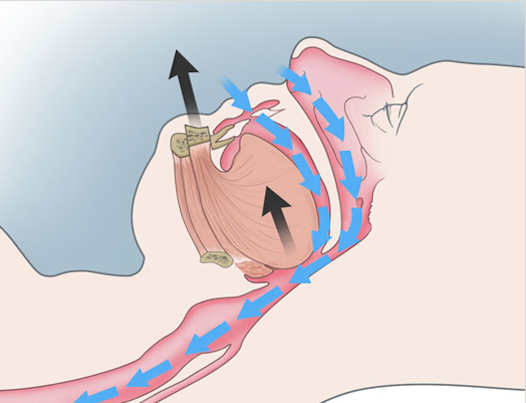
Normally, when you breathe in, air flows through the nose and/or mouth, past the back of the throat, and down into the lungs (see Figure 1). The reverse occurs when breathing out; the flow goes from the lungs through the throat, and then out the nose and/or mouth. When you fall asleep, breathing remains more or less the same, except that the rate of breathing slows down slightly. 

picture of open upper airway
Figure 1: Viewing the head and neck from the side, the blue arrows indicate that during normal inhalation, air flows into the upper airway (pink) through the nose as well as through the mouth (not shown by arrows), down behind the tongue and through the back of the throat (area shown in yellow) into the lungs. During exhalation, the pattern of airflow is reversed. © Image courtesy of New England Journal of Medicine

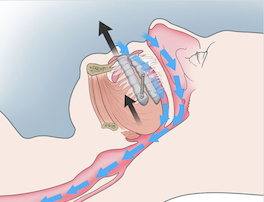
Obstructive sleep apnea (OSA) occurs when a person’ airway repeatedly becomes blocked despite efforts to breathe (see Figure 2). This breathing cessation is called obstructive sleep apnea. In cases where there are frequent episodes of both complete and partial blockage, the term obstructive sleep apnea hypopnea is used. 

obstructive airway
Figure 2: Obstruction of the Airway During Apnea. Viewing the head and neck from the side, the airway (pink) is blocked by the tongue falling back against the back of the throat (area shown in yellow). No airflow can occur. © Image courtesy of New England Journal of Medicine

What happens during an apnea? 

To understand what is going on in an apnea, it's helpful to think of this analogy. Imagine trying to drink a milkshake through a paper soda straw. As you suck in, the weak paper straw collapses, and you don't get any of the milkshake. This collapsing is similar to what happens to people with OSA, but instead of missing out on a milkshake, they don't get enough air into their lungs. This does not occur with normal breathing during wakefulness because signals from the brain activate the tongue and the muscles surrounding the airway and stiffen the airway. Therefore, air can flow into the lungs uninterrupted. In other words, normal breathing during wakefulness is like drinking the milkshake through a plastic soda straw. 

When we sleep, there is an increased risk for the airway behind the tongue to collapse with each breath (particularly when sleeping on our backs). For most people this collapse does not occur because activation of the muscles surrounding the airway during sleep is still strong enough to prevent any blockage. However, for someone with OSA, the muscles do not respond adequately. Like the paper straw that collapses, the airway collapses and air does not reach the lungs. 

What happens when the airway is blocked or partially blocked? 

When sufficient air doesn't get into a person's lungs, the level of oxygen in the blood falls and the level of carbon dioxide (a waste product of metabolism) rises. After a few minutes of not breathing, a person may die. Fortunately, with OSA, after a period of not breathing, the brain wakes up, and breathing resumes. This period of time can range from a few seconds to over a minute. When breathing resumes, the size of the airway remains reduced in size. The tissues surrounding this narrow airway vibrate—what we call snoring. In other words, snoring is a sign of an obstructed airway, but it does mean that a person is breathing; silence might indicate that the airway is completely blocked. 

What are the effects of apnea?

Because waking up is necessary to end an episode of apnea or hypopnea, a person with OSA wakes up again and again throughout sleep. This reduces the duration and quality of sleep. In most cases, a person with OSA is not aware of these repeated awakenings because they occur below the level of consciousness. As a result, people with OSA frequently complain of daytime sleepiness, fatigue, and/or insomnia. This poor sleep may also cause problems with memory, concentration, and mood changes. 

There are other physical effects of apnea. In people with OSA, repeated episodes of falling oxygen levels lead to a variety of physiological changes that affect the heart and blood vessels. During these episodes, the heart is stressed, which increases blood pressure and heart rate. There is increased secretion of hormones and substances that are released with stress as well as increased production of compounds that produce inflammation.

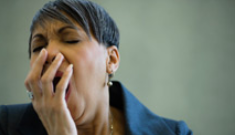
sleepy woman yawning

Daytime sleepiness, fatigue, and/or insomnia are common in people with untreated OSA.

Symptoms

The Takeaway

The major symptoms of obstructive sleep apnea are loud snoring, daytime sleepiness, pauses in breathing while asleep, and episodes of waking at night feeling short of breath or gasping for air.

Surprisingly, despite dozens or even hundreds of awakenings per night, most adults with obstructive sleep apnea (OSA) have no recollection of these events. In fact, often the only evidence of this serious condition might be daytime fatigue and reports of loud snoring from bed partners. However, most people with OSA usually have one or more of the following symptoms. Do you have any of them? 

sleepy man

Do you ever experience daytime sleepiness?
Dr. Lawrence J. Epstein explains the three classic features of obstructive sleep apnea.

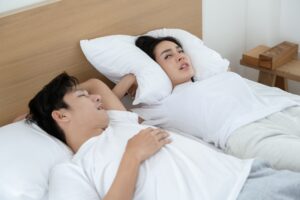
couple sleeping in bed with one partner snoring loudly in a bright room

Snoring can disrupt the sleep of a bedpartner and is a symptom of OSA

© Image courtesy of Tonephoto Grapher

Risk Factors

The Takeaway

The major risk factors for obstructive sleep apnea are obesity, a family history of snoring or apnea, and being male. 

Adult obstructive sleep apnea (OSA) is a common condition. One frequently cited study suggests that 4% of middle-aged men and 2% of middle-aged women in the United States have OSA.1 However, this is a conservative estimate, and the number is likely much higher.

Several factors can increase the risk of developing OSA. Some are hereditary; others are the result of age and/or lifestyle. Do any of these risk factors apply to you?

  • Obesity: approximately two-thirds of people with OSA are overweight or obese
  • Family history of OSA or snoring
  • Small lower jaw and certain other facial configurations
  • Male sex
  • Large neck circumference
  • Large tonsils
  • Alcohol consumption at bedtime
  • Post-menopausal (for women)
  • Hypothyroidism (low levels of thyroid hormone)
  • Acromegaly (high levels of growth hormone)
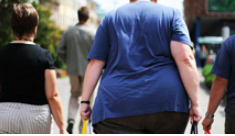
overweight persons in a crowd

Being overweight puts you at serious risk for having apnea
Dr. Atul Malhotra discusses risk factors of apnea and how they vary with age.

How Does OSA Affect Me

Troubled by exhaustion and mood shifts, Sherry meets with a sleep specialist and learns that there are serious health risks associated with her sleep disorder.

“Starting back probably about 8 years ago, I would spend 8 or 9 hours in bed and wake up feeling absolutely like I hadn’t closed my eyes.“

-Sherry

Physical Characteristics

The Takeaway

Obesity, large neck, large tongue, short lower jaw, and a reduction in the size of the airway behind the tongue are frequently observed in people with obstructive sleep apnea. 

Weight

About two-thirds of all people with OSA are overweight or obese. It doesn’t matter if a person has been heavy his or her entire life, or if the weight gain occurred in recent years. A large neck circumference (for men, a collar size greater than 17 inches) is also a common characteristic of OSA, as it often is an indicator of fat tissue surrounding the airway. In some studies, neck size was a stronger predictor of OSA than the severity of obesity. 

overweight persons in a crowd

Both prescription and over-the-counter medications can worsen OSA

Head & Face

There are a number of head and facial characteristics that are associated with OSA. One that is obvious from simple external inspection is a lower jaw (mandible) that is short where the chin does not protrude past the upper jaw and is notably behind it. This is often called retrognathia. Other findings that are apparent only with more detailed examination or special studies include: 

  • Large tongue 
  • Small airway behind the tongue
  • Large tonsils
  • Longer and thicker soft palate
  • Low position of the hyoid bone 
  • Brachycephaly (head is wider than it is longer)

Health Consequences

The Takeaway

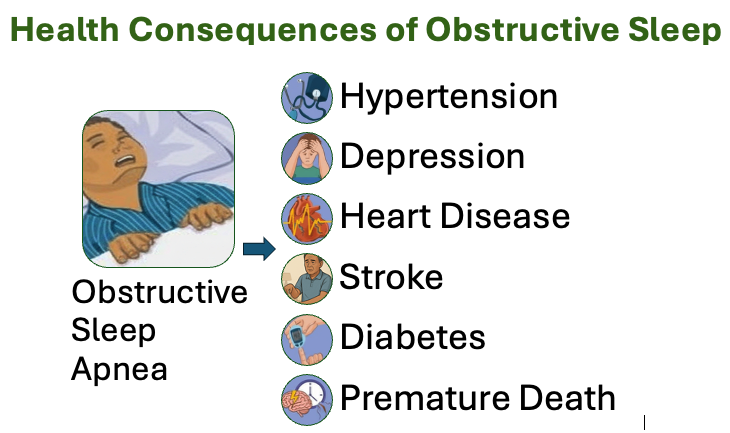
Obstructive sleep apnea increases the risk of developing hypertension, heart disease including heart attacks and heart failure, stroke, and diabetes.

There is increasing evidence that untreated obstructive sleep apnea (OSA) can have a significant impact on your personal health. Successful treatment of OSA may reduce the risks of these related ailments.

Why does OSA increase the risk of having other health problems?

Studies suggest that having OSA raises the heart rate and increases blood pressure, placing stress on the heart. This may be because apneas frequently reduce blood oxygen levels, activating the branch of the nervous system responsible for increasing heart performance. In addition, levels of chemicals in the blood that cause inflammation and promote elevations in blood sugar rise. Such inflammation can damage the heart and blood vessels.2,3 Both hypertension and diabetes increase the risk for heart disease, and the likelihood of being diagnosed with one of these illnesses increases as a result of OSA.

Dr. Stuart Quan explains the serious consequences of untreated obstructive sleep apnea.

ambulance picture

Untreated, apnea can cause serious harm to your health.

Hypertension

High blood pressure is a common chronic medical condition. It afflicts over 40% of people between the ages of 50 and 60 years of age in the United States. OSA is a risk factor for the development of hypertension.4 Approximately 50% of those with sleep apnea have hypertension. In fact, elevated blood pressure might be the only clue that a person has OSA. Fortunately, treatment of OSA may result in better control or even resolution of hypertension.

Heart Disease

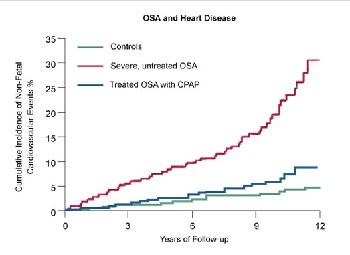
Coronary artery disease occurs in 67% of the adult population of the United States. It frequently results in heart attacks and premature death. Evidence indicates that OSA might be a risk factor for future heart attacks or angina pectoris (chest pain related to blockage of blood vessels supplying the heart), and middle-aged men might be at particular risk (see Figure 3).5 

graph showing increase in heart disease related to OSA

Figure 3: OSA and Heart Disease

Stroke

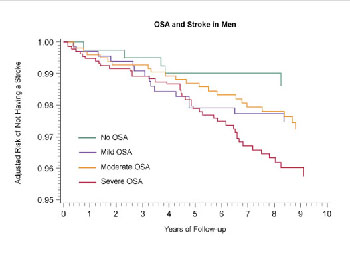
Having a stroke can be a –devastating event, with the potential for severe disability or death. OSA might be a risk factor for having a stroke (see Figure 4), and recovery after a stroke     might be delayed in people with OSA.6 Conversely, people who have had a stroke are more at risk of developing OSA.
graph showing OSA increaasing risk of stroke

Figure 4: OSA and Stroke in Men

Depression

There is substantial evidence that OSA is associated with the presence of depression. Additionally, with greater severity of OSA, there is a greater likelihood of depressive symptoms.

Diabetes Mellitus

Coinciding with the increase in obesity in the United States, more and more people are developing type 2 diabetes. Research indicates that blood sugar (glucose) levels are higher among people with OSA. However, it appears that treatment of OSA may improve blood sugar levels.

Premature Death

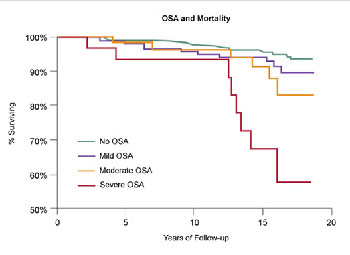
Because OSA is associated with a number of chronic medical conditions, not surprisingly, several studies have shown an association between OSA and increased likelihood of premature death (see Figure 5).7 Middle-aged men appear to be at greatest risk, with the cause of death most commonly related to cardiovascular disease. Football star Reggie White, a Hall of Fame defensive end for three NFL teams, died of cardiac and pulmonary problems that were likely intensified by his sleep apnea. He was 43.

osa and mortality copy

Figure 5. OSA and Mortality

Dr. Susan Redline describes how each apnea can increase the risk of cardiovascular problems.

health consequences of osa

Personal & Societal Consequences

The Takeaway

Obstructive sleep apnea can cause daytime sleepiness, snoring, depression, difficulties with concentration, and loss of memory.

The following symptoms of obstructive sleep apnea (OSA) can significantly reduce a person’s quality of life. (In one study the reduction in quality of life with OSA was equivalent to that observed with diabetes or hypertension.8) However, treatment can successfully reduce and even resolve these problems.

Sleepiness

Many people with OSA are excessively sleepy during the daytime. This can make it difficult to work, and can even lead to job loss. If you have OSA you might fall asleep while driving a car, watching television, reading, talking on the telephone, or even while eating a meal. People with OSA might not complain of sleepiness;they just think that they are “slowing down” and getting more tired as they get older.

Depression and Memory Problems

Depression is very common in people with untreated OSA. Frequently, people are treated for depression for years before anyone realizes that OSA is causing the depression. People with OSA can also have memory problems, difficulty concentrating, amnesia of events, and slower reaction times.

woman watching man sleep

Apnea can hurt personal relationships

Impact on Family and Friends

OSA can have a major impact on family and friends. Depression makes it hard to maintain relationships, and people with OSA are less likely to engage in social activities, especially physical exercise, because they are too tired. Because of the loud, bothersome snoring associated with OSA, spouses or bed partners might choose to sleep in separate bedrooms. For men, OSA can also lead to problems with impotence, although this can be the motivation for getting a physical evaluation.

Societal Consequences: Economic

At a societal level, economic and health utilization studies indicate that people with untreated OSA have greater rates of hospitalization and healthcare costs.9 It is estimated that the total economic cost of moderate to severe OSA is $65 to 165 billion annually in the United States (PDF).10 Successful treatment of OSA can reduce these rates and costs.11

Societal Consequences: Safety

People with OSA are up to five times more likely to have a motor vehicle accident as a result of sleepiness, sometimes with fatal results.12 Persons who knowingly drive while sleepy may be at risk for civil and criminal liability.13 OSA-related sleepiness can be especially devastating with commercial truck drivers (who have higher rates of OSA) as well as operators of public transportation vehicles. A 2008 train crash in Boston was attributed to the sleepiness of a driver who likely had undiagnosed OSA.14 In this sad example, the driver was killed, passengers were injured, and millions of dollars of damages were incurred.15

freeway with cars

Individuals with untreated OSA are more likely to be in a motor vehicle accident.

Dr. Geoffrey S. Gilmartin explains what leads people to seek treatment for obstructive sleep apnea.

Associated Medical Conditions

The Takeaway

Medications for sleep or pain, as well as alcohol consumption, may increase the likelihood of obstructive sleep apnea. Low thyroid hormone, high growth hormone, and several muscle diseases are medical conditions associated with obstructive sleep apnea.

If a person takes certain medicines or has one of the following medical conditions, he or she is more likely to have symptoms of obstructive sleep apnea (OSA).

Medications & OSA

Some medications may cause or worsen OSA. These include sleep medications, pain medications containing narcotics, and sedatives. Alcohol consumption can have a similar effect.

man sleeping in hospital bed

Both prescription and over-the-counter medications can worsen OSA.

Hypothyroidism

Hypothyroidism, or low levels of thyroid hormone, is a common medical condition and may increase the risk of developing OSA. It’s important to understand that correction of hypothyroidism does not necessarily resolve OSA, which might need to be treated separately.

Acromegaly

Acromegaly is a rare medical disorder in which tumors of the pituitary gland secrete excessive amounts of growth hormone. Excessive growth hormone in adults causes enlargement of some facial bones and soft tissues, resulting in OSA.

Muscle Diseases

There are several different types of muscular dystrophy. Persons with some of these varieties have an increased risk of developing OSA.

Getting a Diagnosis

“One night, my wife and I were out and I stopped at a traffic light, a red light, and I actually fell asleep behind the wheel of the car. That served as a catalyst to me that there was something wrong and I needed to do something about it.“

-Dan

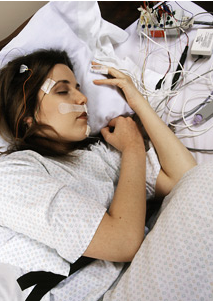
Dan showed symptoms of obstructive sleep apnea, so his doctor ordered a sleep study to confirm the diagnosis.

The first step to getting treated for obstructive sleep apnea (OSA) is getting diagnosed. With proper diagnosis and treatment, the effects of OSA can be negligible. Left untreated, OSA can seriously damage physical and mental health, have negative personal and professional consequences, and can lead to premature death.

Self-Evaluation

The Takeaway

Self-evaluation can be the first step to getting diagnosed with obstructive sleep apnea.

The STOP-BANG survey below is a self-evaluation you can take to assess the chances of having sleep apnea. However, to get a proper diagnosis, you must see a healthcare practitioner—either a primary care physician/clinician or a sleep specialist. He or she will obtain additional information and determine whether there are alternative explanations for your symptoms. Your doctor will decide whether further evaluation is necessary. Sometimes excessive daytime sleepiness is simply related to insufficient sleep. If it seems likely that you have OSA, then additional diagnostic testing will be required.

picture of patient and doctor

Visit your health care provider to determine if you have apnea.
These four yes-or-no “STOP” questions can help you determine your risk for sleep apnea:

  • S: Do you snore loudly (louder than talking or loud enough to be heard through closed doors)?
  • T: Do you often feel tired, fatigued, or sleepy during the day?
  • O: Has anyone observed you not breathing during sleep?
  • P: Do you have or have you been treated for high blood pressure?

You have a high risk of sleep apnea if you answered “yes” to two or more of these questions. You are strongly encouraged to discuss these results with your medical provider. To find a sleep center in your area, please visit Find a Sleep Center.

The questionnaire has an even higher predictive value when you answer four more questions:

  • B: Is your Body Mass Index more than 35 kg/m2?
  • A: Is your age more than 50 years old?
  • N: Is your neck circumference greater than 40 cm?
  • G: Is your gender male?

You have a high risk of sleep apnea if you answered “yes” to three or more of the eight STOP-BANG questions. You are strongly encouraged to discuss these results with your medical provider. To find a sleep center in your area, please visit Find a Sleep Center.

Use of Apps and Home Devices to Detect Sleep Apnea

With the growing use of mobile devices such as smartphones and tablets, increasing numbers of apps are available that claim to assess sleep duration and/or sleep quality. Some assert that they are able to detect the presence of OSA. Unfortunately, most have not been carefully validated against an actual sleep study and have not been approved for this purpose by a regulatory body such as the U.S. Food and Drug Administration. Therefore, if an app indicates that you have sleep apnea, you need to discuss the results with a medical provider who may order a sleep study to confirm the diagnosis. Conversely, if you have symptoms of sleep apnea, but the app does not detect it, you also need to discuss the results with your medical provider. The lack of OSA as determined by an app should not be considered as an absence of OSA especially if symptoms are present. Additionally, there are now commercial devices you can wear on your finger or put under your mattress that provide assessment of OSA. Most have not been validated for accuracy against actual sleep studies and have not been approved for use in the diagnosis of OSA. Nevertheless, they may provide useful information for your medical provider.

Dr. Lawrence Epstein discusses what to expect from a sleep evaluation and sleep study.

Testing

The Takeaway

To confirm a diagnosis of obstructive sleep apnea, you must participate in a sleep study. During a study, your sleep is monitored. The subsequent data is evaluated by a sleep specialist. 

Testing for apnea falls into two general categories: polysomnography and limited channel monitoring. 

Polysomnography

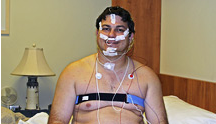
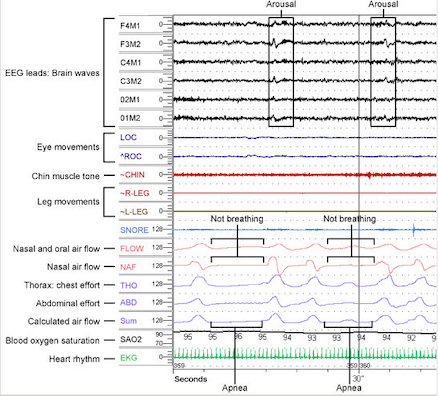
Polysomnography is the simultaneous recording of multiple physiologic signals during sleep. The signals generally included are: brain waves (electroencephalogram, or EEG); eye movements (electrooculogram, or EOG); chin muscle activity (chin electromyogram, or EMG); air flow from the nose and mouth; chest and abdominal movement; blood oxygen levels (oximetry); heart rate and rhythm (electrocardiogram, or ECG); and leg movements (leg electromyogram, or EMG). The EEG, EOG, and chin EMG signals are necessary to determine whether a person is awake or asleep, and also to determine whether his or her pattern of sleep is normal. For an example of the kind of data that can be collected in a sleep lab, visit the Sleep Lab Interactive and check out the apnea example.

Polysomnography is usually performed in a sleep laboratory with monitoring by a sleep technician. In people with OSA, polysomnography recordings demonstrate repetitive episodes of breathing pauses despite efforts to breathe (see Figure 6). It is considered the “gold standard” for diagnosis.

Polysomnogram

Figure 6: Polysomnogram

Advantages of polysomnography include the following: 

  • Technician is continuously present to adjust signals for optimal recording
  • Sleep is recorded 
  • Other sleep conditions may be observed 

Disadvantages are: 

  • Recording is performed in an unfamiliar environment 
  • More expensive than limited channel monitoring 

Limited Channel Monitoring

With this test, monitors record a smaller number of physiologic signals than during polysomnography. Generally the signals are focused on breathing and blood oxygen levels. With these monitors alone, sleep cannot be precisely determined but can be estimated by recordings of body movement (actigraphy). This test is usually performed in the home in the absence of a sleep technician, but sometimes it is used in a sleep laboratory setting. Increasingly, people who have a high likelihood of OSA and have few other medical conditions are tested via limited channel monitoring. This method is also used for follow-up testing of people with OSA, to determine whether their treatments are effective.

Advantages of limited channel monitoring:

  • Signals are obtained in a more normal sleep environment
  • Costs are lower than with polysomnography

Disadvantages are:

  • Technician is not available to ensure high-quality recordings
  • Greater failure rate, which can require repeat study
  • Sleep is not recorded
woman being sleep monitored

Sleep monitoring is required in order to be
diagnosed with apnea

Other Diagnostic Tests

Sometimes other tests are done in addition to polysomnography or limited channel monitoring. However, by themselves, the following tests are inadequate to confirm a diagnosis.

  • Oximetry: This is a method of recording blood oxygen levels alone. It is not a substitute for either polysomnography or limited channel monitoring because low blood oxygen levels can be caused by disorders other than OSA. In addition, some people with OSA have little reduction in blood oxygen levels.
  • Sleep Questionnaires and Diaries: These provide useful information to understand a person’s sleep habits and patterns. However, by themselves they are insufficient to confirm or exclude the diagnosis of OSA.
  • Blood Tests: There is no blood test for OSA. Some tests, like thyroid hormone level tests, may allow a healthcare practitioner to determine whether an associated medical condition is present.
picture of a sleep diary

Sleep diaries can help you understand your
sleep habits and patterns

Understanding the Results

The Takeaway

The Apnea Hypopnea Index (AHI) and oxygen desaturation levels are used to indicate the severity of obstructive sleep apnea. 

Apnea Hypopnea Index (AHI)

The AHI is the number of apneas or hypopneas recorded during the study per hour of sleep. It is generally expressed as the number of events per hour. Based on the AHI, the severity of OSA is classified as follows:

  • None/Minimal: AHI < 5 per hour
  • Mild: AHI ≥ 5, but < 15 per hour
  • Moderate: AHI ≥ 15, but < 30 per hour
  • Severe: AHI ≥ 30 per hour

When a home sleep study is done, the AHI is often expressed as the Respiratory Event Index (REI). The REI is the number of apneas or hypopneas recorded during the study per hour of device recording time. Because the recording time is frequently more than the time spent asleep, sometimes the REI is an underestimate of the AHI.

Sometimes the Respiratory Disturbance Index (RDI) is used. This can be confusing because the RDI includes not only apneas and hypopneas, but may also include other, more subtle, breathing irregularities. This means a person’s RDI can be higher than his or her AHI.

Oxygen Desaturation 

Reductions in blood oxygen levels (desaturation) are recorded during polysomnography or limited channel monitoring. At sea level, a normal blood oxygen level (saturation) is usually 96 – 97%. Although there are no generally accepted classifications for severity of oxygen desaturation, reductions to not less than 90% usually are considered mild. Dips into the 80 – 89% range can be considered moderate, and those below 80% are severe.

Getting Treated

Dan is diagnosed with obstructive sleep apnea and his world improves after successful treatment.

“Life got a whole lot better. I wake up in the morning and my energy level is good, I’m able to do what I want during the day, and my wife’s getting a good night’s sleep.”

-Dan.

Nonsurgical Treatments

The Takeaway

Nonsurgical treatment for obstructive sleep apnea can include weight loss, positional therapy, oral appliances, and oxygen, but positive airway pressure (PAP) treatment is most common and has high success rates.

Weight Loss

Severity of obstructive sleep apnea (OSA) is often highly correlated with obesity. For people who are obese, major weight reduction can reduce the severity of OSA and, in some cases, eliminate OSA altogether. Weight loss should be a priority for all who are overweight or obese and have OSA. Consuming fewer calories, eating healthier foods, and getting physical exercise are difficult tasks, but success will improve overall health and may lead to better sleep. For some extremely obese individuals, conventional measures to lose weight are unsuccessful. Use of medications to assist in weight loss can be effective.  Weight loss surgery also may be an option for them, potentially leading both to a reduction in weight and improvement in their OSA. However, OSA can still be present after weight loss resulting from surgery or medications, so careful follow-up is needed.

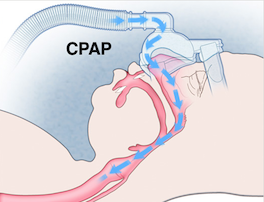
Positive airway pressure (PAP) is a treatment in which a small mask or nose tubes (also known as nasal pillows) are placed over the nose or nose and mouth and compressed air is blown into the lungs. The air pressure acts as an internal splint to keep the airway from collapsing (see Figure 7). PAP therapy is the most common treatment for OSA and can be universally successful. However, to be effective, PAP must be used whenever sleeping. Unfortunately, some people are unable to use a PAP device because it makes them feel uncomfortable, claustrophobic, anxious, or it causes other problems. See the section on Understanding PAP to learn more about the treatment.

Positive Airway Pressure

Positive airway pressure (PAP) is a treatment in which a small mask or nose tubes (also known as nasal pillows) are placed over the nose or nose and mouth and compressed air is blown into the lungs. The air pressure acts as an internal splint to keep the airway from collapsing (see Figure 7). PAP therapy is the most common treatment for OSA and can be universally successful. However, to be effective, PAP must be used whenever sleeping. Unfortunately, some people are unable to use a PAP device because it makes them feel uncomfortable, claustrophobic, anxious, or it causes other problems. See the section on Understanding PAP to learn more about the treatment.
Figure showing CPAP splinting airway open

Figure 7: Effect of CPAP on the Airway
© Image courtesy of New England Journal of Medicine

Dr. Stuart Quan explains how successful use of CPAP
can dramatically improve lives.

Oral Appliances

Dental devices can prevent airway obstruction by positioning the lower jaw forward (see Figure 8). This moves the tongue forward (as it is attached to the lower jaw), and so keeps it from obstructing the back of the throat. Oral appliances should be constructed by a dentist experienced in the treatment of OSA. Oral appliances are most effective for people with mild to moderate OSA. Those who do not have their natural teeth or have teeth in poor condition may not be able to use oral appliances. Problems with oral appliances include excessive saliva, jaw pain, and tooth shifting.
oral appliance alt

Figure 8: Effect of an Oral Appliance on the Airway
© Image courtesy of New England Journal of Medicine

Positional Therapy

For some people, OSA occurs mainly when they sleep on their back. In such individuals, measures to prevent back sleeping might help treat their OSA.

Exercise

Moderate to vigorous exercise on a regular basis has been shown to improve OSA. Individuals should consult with their health care provider before starting an exercise program.

Oxygen

OSA can reduce blood oxygen levels, but breathing oxygen through an oxygen mask or tubes is not a treatment by itself for OSA. In some cases, the length of the apneas may actually increase. However, there are some people for whom PAP therapy does not completely resolve low blood oxygen levels. For them, a doctor might recommend supplemental oxygen added to PAP therapy.

Dr. Lawrence J. Epstein discusses the variety of treatments available for obstructive sleep apnea.

Medications

Tirzepatide (Mounjaro, Zepbound) a medication developed originally to treat diabetes, has been shown to cause substantial weight loss. Because excess weight promotes the development and worsening of OSA, tirzepatide has been shown to be an effective treatment option in patients with OSA who are significantly overweight. It is given as a once-weekly injection. Tirzepatide belongs to a class of medications called dual glucose-dependent insulinotropic polypeptide (GIP) and glucagon-like peptide-1 (GLP-1) receptor agonists. Other medications in this class and related classes also promote weight loss and might improve OSA. However, at this time, only tirzepatide has been approved for the treatment of OSA.

At this time, there are no other effective medications to treat OSA. However, some clinicians may prescribe sleep aids to help people who have difficulty sleeping with PAP therapy. In addition, OSA may occur predominantly during rapid-eye-movement (REM) sleep. In such cases, there may be a benefit to using medications, such as antidepressants, that reduce the amount of REM sleep. A number of sleep medications, pain medications containing narcotics, and alcohol before bedtime may worsen OSA. Although CPAP is very efficacious in preventing airway obstruction, in some people with OSA, sleepiness may persist despite regular CPAP use. In these individuals, sleepiness may improve with wake promoting medications used in narcolepsy such as modafinil and solriamfetol. People with OSA should discuss medications and alcohol consumption with a healthcare provider.

Understanding PAP

The Takeaway

  • Positive airway pressure (PAP) therapy is the best and most common treatment for obstructive sleep apnea. 
  • Choose the PAP mask that is most comfortable for you. 
  • Common problems with PAP therapy all have solutions

As described in Nonsurgical Treatments, positive airway pressure (PAP) treatment involves placing a small mask or nose tubes (also known as “nasal pillows”) over the nose or nose and mouth and blowing compressed air into the lungs. This is the most common form of treatment for obstructive sleep apnea (OSA), and it is useful to understand the testing, appliances, and challenges inherent to using PAP.

Testing for PAP

If a sleep study has shown that you have apnea, you may get a prescription for a PAP device. However, before a PAP prescription can be written, sometimes additional testing is performed to determine the level of air pressure needed to resolve the apnea and the type of device that will deliver it. This additional testing is done again with polysomnography. During this polysomnography, the patient uses PAP therapy. Through this test, the level of PAP that resolves the apneas and hypopneas is determined. Often, this is called a “titration study.”

In many cases, the diagnosis of OSA and titration for PAP are done in a single night; this is called a “split night” study. In “split night” studies, the first few hours of the polysomnography confirm the diagnosis of moderate to severe OSA. After confirmation, the rest of the night is used to titrate PAP. 

As an alternative to a PAP titration, in many cases the correct level of PAP is determined using an automatically adjusting PAP device (AutoPAP). Either at home or in the sleep laboratory, the AutoPAP is worn, and the device adjusts the pressure to the level that eliminates the apneas and/or hypopneas.  This pressure then can be used to set the level of CPAP. In some patients, AutoPAP is continued as ongoing treatment. However, use of AutoPAP is not appropriate for all cases, and its use should be decided by a sleep specialist. 

man prepared for sleep study

After diagnosis, PAP testing is typically
the next step for treating OSA.

Monitoring PAP Therapy

Most current PAP devices have the capability of monitoring usage and effectiveness. This is done by either a modem or a SCD card incorporated into the device. If a modem is used, data is transmitted into the cloud where it can be retrieved using a computer or a mobile device. If an SCD card is employed, the data is recorded onto the card where it can be downloaded manually onto a local computer. In both cases, the device provides information on a continuous basis on usage, pressures patterns, leaks from the PAP mask, and the amount of OSA that is still present while using PAP. This information helps the patient’s sleep specialist or clinician determine whether PAP is effective and can assist in resolving challenges to PAP use. In addition, many PAP devices can be used in conjunction with an “app” so that the patient can self-monitor usage and effectiveness by using their own mobile device or computer.

Types of PAP Devices

  • CPAP: Continuous Positive Airway Pressure is the most commonly used PAP device. With CPAP, the level of pressure delivered to the airway is the same during both inhalation and exhalation.
  • Bilevel PAP (BPAP): With Bilevel PAP, the pressure during inhalation is higher than during exhalation. The pressures needed to control apnea and hypopnea events with Bilevel PAP are sometimes lower than with CPAP. Because some persons have difficulty tolerating high CPAP pressures, Bilevel PAP may be used when pressures required for CPAP are relatively high. Some BPAP devices have the capability to automatically adjust the inhalation and exhalation pressures in order to better control apneas and hypopneas.
  • Kairos PAP (KPAP): This is a form of PAP during which pressure is reduced at the onset of inhalation. It is maintained at this low level until the end of exhalation at which time the pressure is increased to the therapeutic expiratory pressure. Initial studies indicate that KPAP improves OSA equally as well as CPAP, but may be more comfortable.
  • AutoPAP (APAP): Auto-adjusting PAP devices automatically vary PAP pressures during the night to the lowest levels required to eliminate apneas and hypopneas. Some persons with OSA may find AutoPAP devices more comfortable to use. Most devices can easily be switched between CPAP and APAP.
  • Adaptive Servo Ventilation (ASV): With ASV, the device continuously monitors breathing pattern breath by breath. As the amount of air on each breath increases or decreases, the device appropriately adjusts its delivered air pressure to maintain a constant breath volume. It is not generally used for most persons with OSA, but can be helpful in the treatment of patients with both OSA and central sleep apnea.
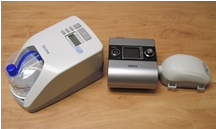
various types of cpap devices

CPAP devices are available in many different styles and sizes, but all are portable

Additional Features

For the basic function of applying pressure to the airway, there is generally little difference among PAP devices. However, they do vary in shape, size, weight, and additional features. Commonly found features include the following:
  • Ramping: This feature allows the PAP device on start-up to gradually increase the pressure over a short period of time until the prescribed pressure is reached. Some users find that this allows them to fall asleep more easily and improves their ability to wear PAP.
  • Pressure Relief: With pressure relief, at the beginning of exhalation, a small decrease in pressure occurs. The amount of pressure reduction is adjustable. Some users find that this makes use of PAP more tolerable by making it easier to exhale.
  • Humidification: With PAP, large amounts of air move in and out of the nose, mouth, and upper airway. This can lead to drying of the air passages. Most PAP machines incorporate or permit the addition of humidifiers to add moisture to the air that is breathed in. This is especially important in dry, arid climates. Heated humidifiers add more moisture than humidifiers that do not heat the inhaled air.

Types of PAP Masks

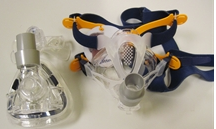
There are many styles of PAP masks. The most important distinction is between those that deliver air via the nose, and those that deliver air via the nose and mouth. The latter are generally reserved for people who are mouth breathers during sleep. A comfortable, well-fitting mask with no more than minimal air leak is essential. There are no differences in efficacy among the large number of mask types. The best mask is the one you find comfortable and will wear regularly.
variety of cpap masks

A variety of masks are available. Some masks fit over the nose or nose and mouth.

Common Challenges with PAP Use

Although there can be challenges to using PAP therapy, many can be overcome by working with an experienced healthcare practitioner. Approximately two-thirds of people who are prescribed PAP therapy find that it is a good long-term solution to their OSA. Some problems with PAP, and proposed solutions, are as follows:
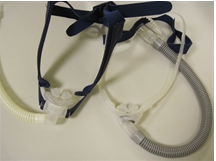
nasal cpap masks

Some “masks” fit only into the nose

  • Nasal stuffiness or congestion: Possible solutions: greater humidification, prescription nasal sprays 
  • Leaks around the mask: Possible solutions: alternative mask or headgear 
  • Excessive noise: Possible solutions: check machine for a mechanical problem, cover machine to muffle noise 
  • Redness or irritation where the mask or mask straps touch the skin: Possible solutions: alternative mask or headgear, padding where irritation occurs 
  • Claustrophobia: Possible solution: gradual habituation program 
  • Too much pressure: Possible solutions: temporary drop in pressure, AutoPAP, Bilevel PAP, pressure relief, ramping (the gradual increase in pressure on start-up, see above). 
  • Dry mouth: Possible solutions: full-face mask, greater humidification 
  • Excess Water in the Tubing: Possible solutions: insulating the tubing, decreasing the humidification setting, and/or using tubing that can be temperature adjusted.
nasal cpap masks

Some “masks’ fit only into the nose

Dr. Geoffrey S. Gilmartin explains that a poorly fitting mask can make CPAP treatment difficult.

Surgical Treatments

The Takeaway

Surgical treatments for obstructive sleep apnea are less common than nonsurgical treatments. Limited success rates, risk levels, and recovery time should be well understood when considering surgical treatment.

Nasal Surgery

In general, operations performed to increase airflow through the nose, such as removal of nasal polyps or turbinates, or straightening a deviated nasal septum, do not completely cure obstructive sleep apnea (OSA) but may improve daytime and nighttime breathing through the nose and may enable better use of positive airway pressure.

Upper Airway Surgery

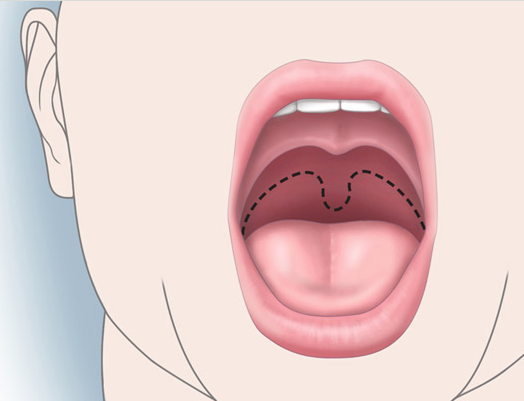
The most common operation performed is called a uvulopalatopharyngoplasty (UPPP). This operation attempts to widen the airway behind the tongue by removing excess tissue from the sides of the throat behind the tongue, shortening the soft palate, and removing the uvula (see Figure 9). The operation requires hospitalization and recovery may take several weeks. Variants of the operation can be performed on an outpatient basis with a laser (laser-assisted uvulopharyngoplasty, or LAUP) or by a radiofrequency probe (somnoplasty). Although snoring is frequently improved with these operations, only approximately 40% of persons undergoing UPPP have resolution or major improvement in their OSA. Furthermore, it is unclear whether the success rates from LAUP or somnoplasty are comparable to those for UPPP. Reported side effects from these operations include changes in voice and difficulty swallowing liquids.

Tissue removed during a UPPP

Figure 9: Tissue Removed During Uvulopalatopharyngoplasty.1
© Image courtesy of New England Journal of Medicine

Maxillomandibular Advancement (MMA)

In this operation, the upper and lower jaws are surgically fractured, and both are moved forward to enlarge the airway (see Figure 10). The published results on this operation are reported from only a few institutions, but their results suggest that the improvement rate is greater than for UPPP. However, the operation is substantially more complex than UPPP, with greater risk to the patient and a much longer recovery period.

Tracheostomy

A tracheostomy is a surgically created opening in the trachea below the level of the larynx, or voice box. This bypasses the area of obstruction in OSA. Individuals with a tracheostomy for OSA plug the opening during the day, allowing them to speak normally, but remove the plug for sleep. Tracheostomy was the primary treatment for severe OSA before the introduction of PAP therapy. It is still used for very severe cases that cannot be treated otherwise.
Effect of jaw surgery on the upper airway

Figure 10: Effect of Jaw Surgery on
the airway.2

© Image courtesy of New England Journal of Medicine

Hypoglossal Nerve Stimulation
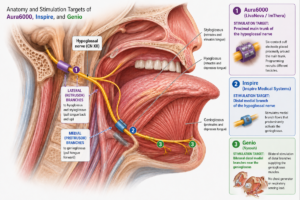
Stimulation Locations of Inspire, Aura6000, Genio
Figure 11: Stimulation Targets of Hypoglossal Nerve Stimulators

In this procedure, the hypoglossal nerve is electrically stimulated upon inspiration. This causes the tongue to move forward. In the setting of obstructive sleep apnea, this will prevent the tongue from collapsing backward thereby preventing obstruction of the upper airway.

This treatment option is effective for the treatment of moderate and severe obstructive sleep apnea in patients who can’t tolerate positive airway pressure therapy. Currently, there are three devices approved by the United States Food and Drug Administration (FDA) for this purpose.

  • The Inspire device (Inspire Medical Systems) was the first to be approved by the FDA in 2014. In this procedure, a stimulation electrode is surgically placed on branches of the hypoglossal nerve and a sensing electrode is surgically placed in the chest wall. Both are then connected to a neurostimulator which is located in a surgically created pocket just underneath the clavicle. The sensing electrode determines when breathing starts and sends a signal to the neurostimulator. The stimulation electrode then activates the hypoglossal nerve which controls movement of the tongue. When activated, it causes the tongue to move forward. In the setting of obstructive sleep apnea, this will prevent the tongue from collapsing backward thereby preventing obstruction of the upper airway (Figure 11 (2)). In recent clinical trials, this procedure has been shown to be successful in treating some patients with obstructive sleep apnea. The combining results from several studies the success rate at 12 months was 77% with a continued response after five years.16 Several generations have evolved from inspire device and the most recent one (Inspire V) no longer requires a sensing electrode, making the procedure less invasive. Not all individuals qualify for implantation. Inspire is not effective in those who exhibit complete concentric collapse (CCC) during a required pre-implantation drug-induced sleep endoscopy (DISE).
  • The Aura6000 from LivaNova received pre-market approval from the FDA in early 2026 to treat moderate and severe obstructive sleep apnea. Instead of stimulating the distal branches of hypoglossal nerve, it stimulates the proximal part (main trunk) of the nerve. To achieve this, the device utilizes six points of contact (POC) wrapped around the nerve. These POC stimulate different nerve fibers and accordingly this stimulates different groups of the pharyngeal dilator muscles (Figure 11 (1)) This procedure seems to be more successful in patients with higher body mass index and greater severity of obstructive sleep apnea. The success rate of the procedure in the pivotal trial that led to FDA approval (OSPREY) reached 60% in month 7, and 65% in 12 months.17
  •  The Genio System from Nyxoah received FDA approval in 2025 to treat moderate and severe obstructive sleep apnea. A wing-like device is implanted underneath the chin close to the hypoglossal nerves. A stimulation unit with a rechargeable battery transcutaneously delivers the appropriate electrical energy to the implanted device thus stimulating the most distal branches of the hypoglossal nerve on both sides near the tongue (Figure 11 (3)). The stimulation unit is placed underneath the chin during sleep and removed for charging during wakefulness. The stimulation is phasic, but not synchronous with breathing and therefore a sensing function is not required. However, a DISE procedure is necessary to exclude CCC.  The success rate in the pivotal DREAM trial that resulted in FDA approval reached 65% in 12 months.18

Although all 3 devices have been shown to be effective in the treatment of OSA, no head to head comparative trials have been performed.
Other Procedures

Several other operations have been performed for OSA. These include radiofrequency reduction of the size of the tongue, stiffening the soft palate with stents, advancement of the front of the lower jaw, and relocation of the hyoid bone. None of these operations has been shown to have a high rate of success in the treatment of OSA. However, they may be of benefit in selected cases.

For persons with OSA who are markedly overweight, bariatric (weight reduction surgery) may be effective. 

Impact of Treatment

Better Sleep

Effective treatment of obstructive sleep apnea (OSA) improves or even eliminates daytime sleepiness, as sleep quality improves. Getting a good night’s sleep, often for the first time in years, can lead to significant improvements in other aspects of a person’s life, including psychological health and happiness.

Better Quality of Life

Treatment of OSA can lead to a reduction in snoring, which benefits the person with OSA as well as his or her bed partner. Improved sleep leads to an improved quality of life, as treatment reduces OSA-related symptoms.

Better Health

Effective treatment of OSA reduces cardiovascular risk. In one study, users of CPAP had the same cardiovascular and mortality risk as people without OSA. In contrast, those with OSA who were not treated with CPAP had a marked increase in risk (see Health Consequences). Treatment of OSA can also result in better control or resolution of hypertension. Treating OSA may have positive effects on diabetes control, as well.

Better for Society

As OSA treatment reduces the risks of other health problems, the rate of hospitalization and healthcare costs are substantially reduced after treatment. In addition, people with OSA are up to ten times more likely to have a motor vehicle accident (see Personal & Societal Consequences).  Successful treatment of OSA is of benefit to all.

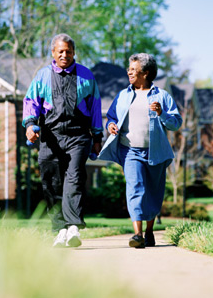
man and woman walking

Successful treatment of OSA can improve all aspects of life

Dr. Geoffrey S. Gilmartin discusses how treatment for
sleep apnea improves the lives of patients’ bed
partners or spouses.

Additional Resources

  1. MyApnea.org, a patient-centered research resource, has been created to engage and inform at-risk and existing sleep apnea patients. Visit MyApnea.org to read more about this effort and to contribute to important research efforts that aim to better the lives of patients living with sleep apnea.
  2. The American Academy of Sleep Medicine is the only professional society in the U.S. dedicated exclusively to the medical subspecialty of sleep medicine. Visit https://sleepeducation.org to locate a sleep center near you.
  3. The National Center on Sleep Disorders Research contains public education resources on Sleep Health. 
  4. The Center for Disease Control and Prevention (CDC) has information concerning sleep and public health. 

References

1. Young T, Palta M, Dempsey J, Skatrud J, Weber S, Badr S. The occurrence of sleep-disordered breathing among middle-aged adults. N Engl J Med 1993;328:1230-5.

2. Budhiraja R, Parthasarathy S, Quan SF. Endothelial dysfunction in obstructive sleep apnea. J Clin Sleep Med 2007;3:409-15.

3. Dempsey JA, Veasey SC, Morgan BJ, O’Donnell CP. Pathophysiology of sleep apnea. Physiol Rev 2010;90:47-112.

4. Budhiraja R, Sharief I, Quan SF. Sleep disordered breathing and hypertension. J Clin Sleep Med 2005;1:401-4.

5. Marin JM, Carrizo SJ, Vicente E, Agusti AG. Long-term cardiovascular outcomes in men with obstructive sleep apnoea-hypopnoea with or without treatment with continuous positive airway pressure: an observational study. Lancet 2005;365(9464):1046-53. 

6. Redline S, Yenokyan G, Gottlieb DJ, et al. Obstructive sleep apnea-hypopnea and incident stroke: the sleep heart health study. Am J Respir Crit Care Med 2010;182:269-77.

7. Young T, Finn L, Peppard PE, Szklo-Coxe M, Austin D, Nieto FJ, Stubbs R, Hla KM. Sleep disordered breathing and mortality: eighteen-year follow-up of the Wisconsin sleep cohort. Sleep. 2008 Aug;31(8):1071-8. 

8. Baldwin CM, Griffith KA, Nieto FJ, O’Connor GT, Walsleben JA, Redline S. The association of sleep-disordered breathing and sleep symptoms with quality of life in the sleep heart health study. Sleep 2001;24:96-105. 

9. AlGhanim N, Comondore VR, Fleetham J, Marra CA, Ayas NT. The economic impact of obstructive sleep apnea. Lung 2008;186:7-12. 

10. Harvard Medical School Division of Sleep Medicine. The price of fatigue. December, 2010. https://sleep.hms.harvard.edu/sites/g/files/mcu911/files/assets/Images/The_Price_of_Fatigue.pdf

11. Peker Y, Hedner J, Johansson A, Bende M. Reduced hospitalization with cardiovascular and pulmonary disease in obstructive sleep apnea patients on nasal CPAP treatment. Sleep 1997; 8:645-53. 

12. Tregear S, Reston J, Schoelles K, Philliips B. Obstructive sleep apnea and risk of motor vehicle crash: systematic review and meta-analysis. J Clin Sleep Med 2009;5:573-81.

13.CBS News. N.J. Law Punishes Drowsy Drivers. https://www.cbsnews.com/news/nj-law-punishes-drowsy-drivers/

14. National Transportation Safety Board. Collision between two Massachusetts Bay Transportation Authority Green Line Trains Newton, Massachusetts May 28, 2008.

15. Chakrabarti M. NTSB faults T safety systems in deadly T crash. WBUR, July 15, 2009. http://www.wbur.org/2009/07/15/mbta-crash-report

16. Kent DT, Carden KA, Wang L, Lindsell CJ, Ishman SL. Evaluation of Hypoglossal Nerve Stimulation Treatment in Obstructive Sleep Apnea. JAMA Otolaryngol Head Neck Surg. 2019;145(11):1044–1052. doi:10.1001/jamaoto.2019.2723

17. Malhotra A, Schwartz AR, Lovett E, Juran N, Nguyen SA, Barrera JE, Bogan RK, Mickelson SA, Boghara H, Miller M, Jacobowitz O; OSPREY Investigators. Proximal Hypoglossal Nerve Stimulation for Obstructive Sleep Apnea in the OSPREY Study : A Randomized Controlled Trial. Ann Intern Med. 2026 Jun;179(6):812-822. doi: 10.7326/ANNALS-25-04414. Epub 2026 Apr 21.

18. Woodson BT, Kent DT, Huntley C, Hancock MK, Van Daele DJ, Boon MS, Huntley TC, Mickelson S, Gillespie MB, Suurna MV, Kacker A, Roy A, MacKay S, Withrow KP, Dedhia RC, Huyett P, Heiser C, Nicola SD, Makori F, Vanderveken OM, Padyha TA, Magalang UJ, Chio E, Kezirian EJ, Lewis R. Bilateral hypoglossal nerve stimulation for obstructive sleep apnea: a nonrandomized clinical trial. J Clin Sleep Med. 2025 Nov 1;21(11):1883-1891. doi: 10.5664/jcsm.11822. 

Scroll to Top